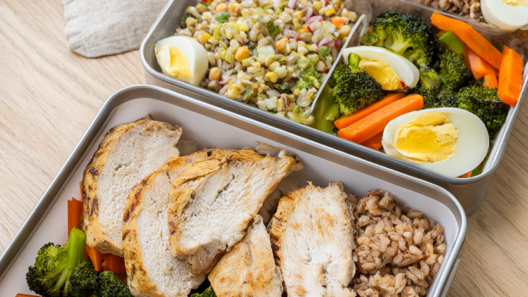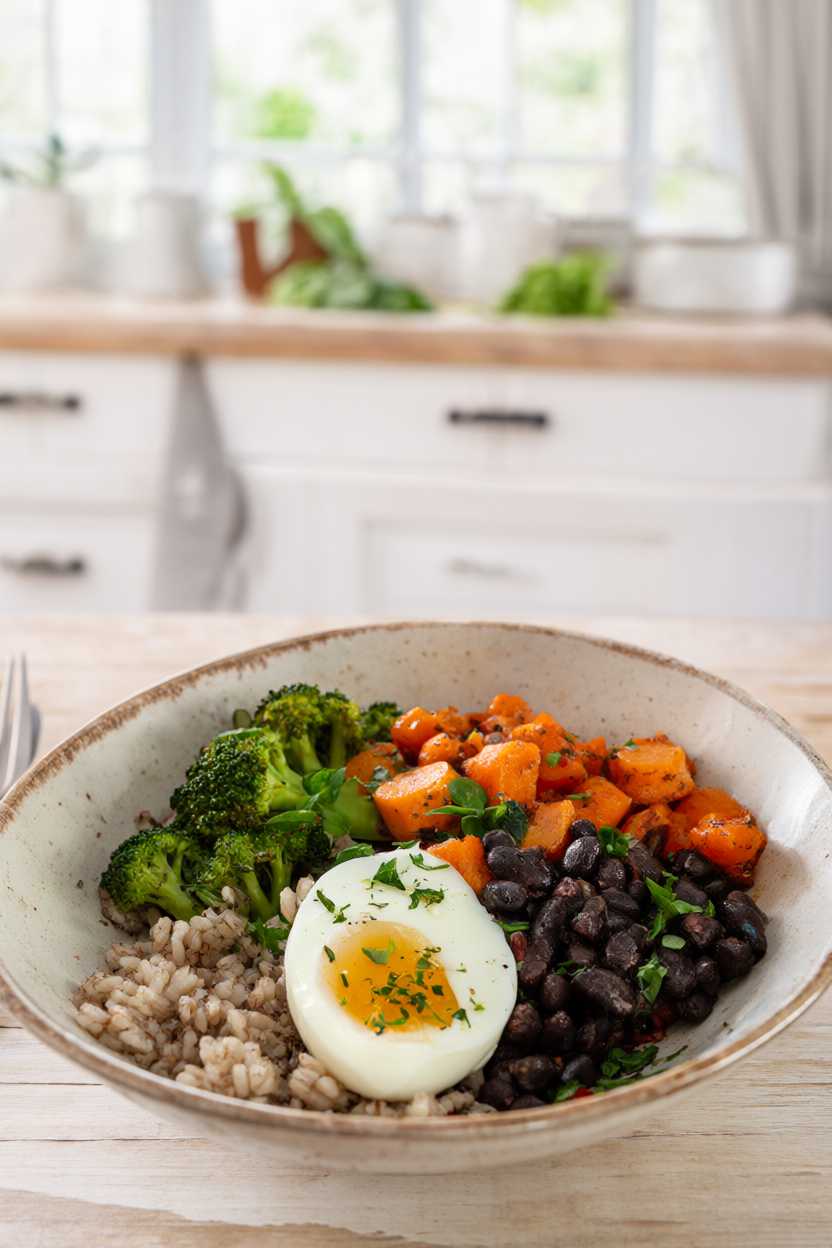
There is a moment every week when the grocery list decides whether you save or splurge. Write it while you are hungry with no plan, and you come home with three kinds of chips and nothing for dinner. Sit down for ten minutes with the week’s meals already in mind, and the same budget feeds you real food for seven days — whether it is January and fresh vegetables are pricey, or a packed week when there is no time to think. These six simple rules quietly cut a grocery bill without turning dinner into a math problem.
Plan 3-4 Dinners First, Then Write the List
The list comes second, always. Pick three or four dinners you actually want to cook this week — a pot of beans, a tray of roasted vegetables, a big batch of soup — and let those meals write the list for you. When every item has a dinner attached to it, you buy what you will cook instead of what looks good in the moment. That one habit kills most of the impulse spending in a grocery cart.
Then shop your own kitchen before you shop the store. Check the fridge, the freezer and the pantry shelves, and build the week around what is already there. Half a bag of rice, a lonely carrot, the last cup of lentils — those are ingredients you already paid for. A ten-minute kitchen sweep cuts waste and cuts the bill, and it is the cheapest grocery run you will ever make.
Frozen and Canned Produce Stretch the Season
Fresh is wonderful in season. But frozen and canned produce is picked and packed at peak ripeness, keeps for months and usually costs less when a vegetable is out of season. Frozen spinach, canned tomatoes, frozen berries and canned beans are not a compromise — they are the backbone of a budget kitchen. A bag of frozen broccoli in the middle of winter can cost a fraction of the fresh price and tastes just as good roasted or tossed into a stir-fry.
When you buy canned, look for “no salt added” versions or give the beans and vegetables a quick rinse in a colander. That ten-second step lets you control the seasoning yourself. Keep a mix of fresh, frozen and canned in the cart, and you will rarely face an empty vegetable drawer with nothing to cook.
Eggs, Beans, Lentils and Oats Go the Farthest
Some of the most affordable foods in the store are also the most versatile. A few staples stretch the most meals per dollar:
- Eggs — breakfast, dinner or a snack from one carton
- Dried or canned beans and lentils — pennies per serving in soups, tacos, sauces and bowls
- Canned tuna — fast lunches and weeknight pasta
- Plain yogurt — dips, dressings and a cool topping for chili or curry
- Oats, brown rice and whole wheat pasta — bought in bigger bags and kept in jars or containers
Buying whole grains in bigger bags lowers the price per serving, and sealed oats, rice and pasta keep for months on the shelf. A large bag of oats is breakfast for weeks; a five-pound bag of rice quietly becomes the base of a dozen dinners. Buy the size that fits your storage, not the smallest box on the shelf.
Compare Unit Prices and Store Brands
The shelf tag tells you more than the sticker price. Look at the price per ounce or per pound — the small print under the big number — and compare two sizes of the same product. A bigger package is often, but not always, the better deal, and the unit price settles the question in two seconds. Snap a photo of the tag or type the numbers into a note on your phone if the math helps.
Store brands are another quiet shortcut. Store-brand staples like oats, canned beans, frozen vegetables, flour and pasta usually match the name brands on quality and cost less. Try one or two items on your regular list, taste them and keep the ones you cannot tell apart. Over a month, that swap frees real money without changing a single meal.
None of these six rules demand coupons, apps or a spreadsheet. They ask for ten minutes of planning, a look through your own kitchen and the habit of reading the shelf tag twice. Start with one rule this week, add a second the next, and by the end of the month your list will be shorter, your cart will be fuller and your dinners will taste like they were planned — because they were.