When the days get short and the air turns cold, the produce aisle quietly shifts into its coziest season. Winter vegetables and citrus are at their sweet, sturdy best this time of year, made for roasting, braising, and simmering. Here’s your short and friendly guide to what’s in season in winter: what to buy, how to store it, and two easy ways to cook it. No long shopping lists, no fancy technique — just a handful of good picks and a little time in a warm kitchen.
Winter Citrus Is at Its Sweetest
Oranges, grapefruit, clementines, and lemons are at their sweetest from about November through February. A clementine eaten cold from the fridge tastes like dessert, and a squeeze of lemon wakes up almost anything you cook. Halve a grapefruit for a bright breakfast, or peel an orange for an afternoon snack — winter citrus is the easiest fruit to enjoy all season.
Winter citrus also naturally contains vitamin C, which makes it a simple everyday addition to breakfast plates, lunch boxes, and snack bowls. Set a bowl on the counter where everyone can see it, and it disappears fast.
Root Vegetables That Keep for Weeks
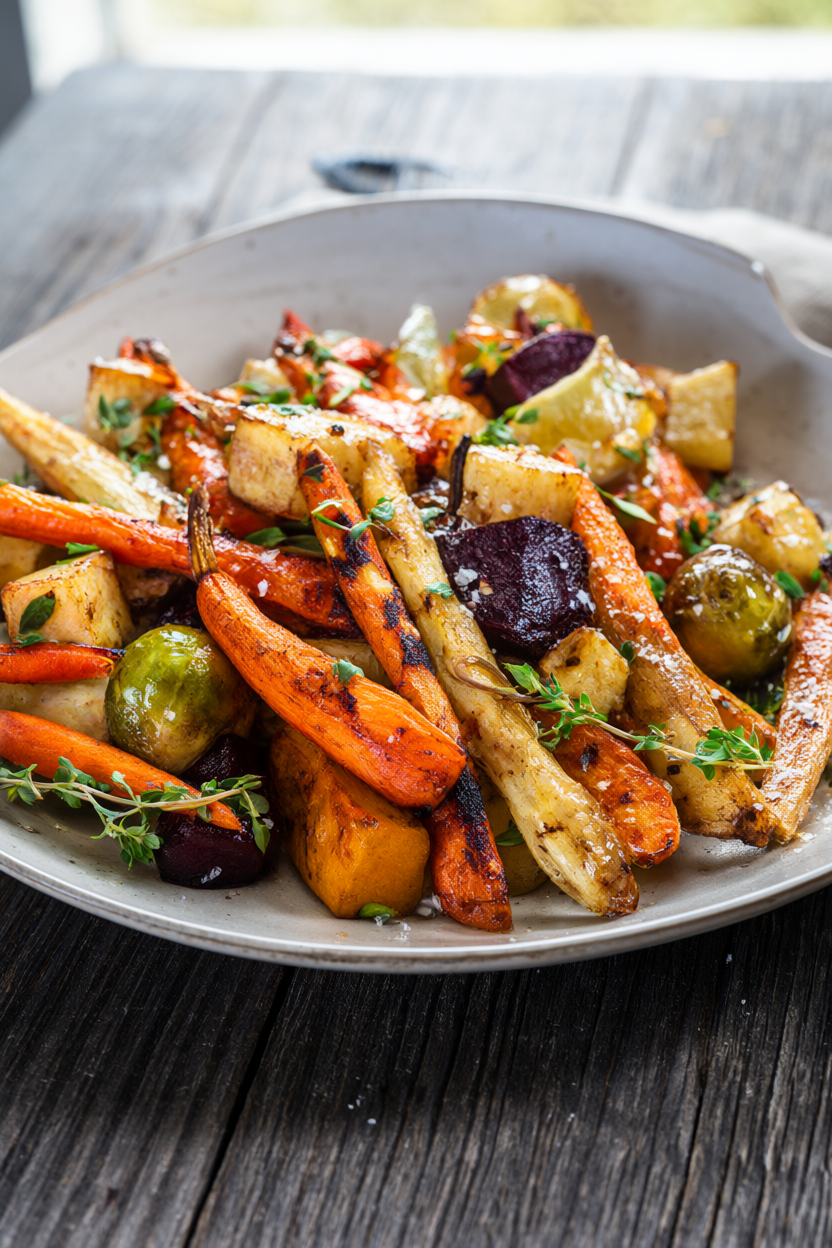
Carrots, parsnips, beets, and turnips are the quiet workhorses of winter. Kept in a cool, dark, dry spot, they hold for weeks, so you can stock up without worrying about them going soft. They’re also everyday sources of fiber, and the cold brings out their natural sweetness — roasted carrots taste almost like candy, while beets turn tender and earthy in a warm salad.
Try roasting a mix on one sheet pan with a little oil, salt, and thyme — you’ll get a side dish that works with almost any dinner. Parsnips and turnips roast beautifully alongside the carrots, and beets love a bright squeeze of lemon once they come out of the oven. Peel them, chop them, and you’re already halfway to dinner.
Cabbage, Kale, Brussels Sprouts, and Winter Squash
Cabbage, kale, and Brussels sprouts all handle cold weather well, and they stand up to roasting, braising, and soups without turning to mush. A pan of caramelized cabbage wedges or a pot of kale and bean soup is winter comfort at its simplest — the kind of cooking that makes a winter kitchen smell amazing.
Winter squash and sweet potatoes are the hearty side of the season: fiber-rich picks that roast until caramelized for cozy dinners. If you’re new to squash, keep an eye out for these:
- Butternut — nutty and smooth, ideal for soups or cubes
- Acorn — mildly sweet and perfect halved and roasted
- Delicata — thin-skinned, so there’s no peeling needed
Whichever you choose, cut it into even pieces so everything roasts at the same pace, and don’t crowd the pan — a little breathing room is the secret to those caramelized edges.
How to Store and Cook Winter Vegetables
A little smart storage stretches every purchase further:
- Choose vegetables that feel firm and heavy for their size, with tight, unbroken skin.
- Keep roots cool, dark, and dry — a pantry corner or cellar shelf works perfectly.
- Refrigerate citrus, leafy greens, and any cut squash to stretch their shelf life.
When it’s time to cook, two fast methods cover almost everything:
- Roast at 425 °F: chop your vegetables, toss with oil and salt, and roast until the edges caramelize.
- Simmer into soup: cook chopped vegetables in broth until tender for an easy one-pot meal.
Make extra on purpose — roasted vegetables and soup both reheat beautifully, ready for easy lunches and quick dinners.
That’s the whole idea: buy what’s in season, store it smart, and let the oven or a pot of broth do the work. Winter vegetables aren’t something to get through — they’re the reason cold-weather cooking feels so cozy. Pick one new vegetable this week, cook it simply, and your next warm dinner is already in season. Once you get the hang of it, you’ll shop the season without even thinking about it.