



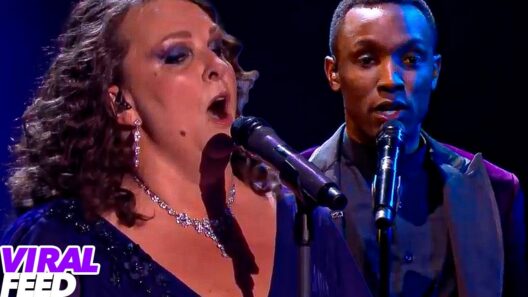

The lights of the American Idol stage are designed to highlight talent, but for the singers of the 2026 auditions, they served a much deeper purpose. These were not mere performances; they were testimonies. From the wreckage of wildfires to the silent battles of mental health and motherhood, these artists used music to navigate the most difficult chapters of their lives. The stage became a place to process grief, to reclaim identity, and to speak truths that are often whispered in private.
A Voice for the Palisades
In January 2025, the Palisades community faced a catastrophe. Wildfires tore through the area, leaving a trail of destruction that changed the landscape forever. For one singer, the loss was deeply personal. She stood on the audition stage to represent a town that had seen its landmarks erased. She spoke of the preschool that burned, the first theater where she ever performed, and the home she lived in until she was five. The fire had taken much, but it had not taken her voice.
She sang to bring a sense of light to a community that had struggled to find joy after the disaster. Her performance was a tribute to the resilience of her neighbors and a plea for a win for everyone who had lost something precious. The judges recognized the weight of her mission, acknowledging that she was a bright spot for a community in pain. Her ability to channel collective grief into a powerful musical moment earned her a resounding yes and a ticket to Hollywood Week.
The Truth in “String Cheese”
Hannah brought a different kind of vulnerability to the stage. She walked out with an original song titled “String Cheese,” a title that initially sounds lighthearted. However, the lyrics revealed a much more complex reality. She sang about the exhaustion and isolation of postpartum depression. She described the chaos of being a mother—the messy rooms, the constant needs, and the feeling of being “touched out.”
“I was sitting on my couch wallowing,” she admitted, describing the moments when the weight of motherhood felt insurmountable. She recounted a specific moment with her youngest son, where the simple act of opening a snack became a moment of profound realization. She realized that her role as a mother was her greatest ministry, even in the middle of the chaos. The judges were moved by her honesty. One judge compared her sound to the bluegrass legends Casey Musgraves and Alison Krauss, noting a hint of Dolly Parton in her delivery. They praised her ability to tell a story that resonates, noting her capacity to take a heavy subject and provide a sense of lift to the audience.
Finding Light in the Darkest Hours
Julian Calel Amon san brought a different kind of intensity to the room. Having auditioned in a previous year, he returned to the stage with a song called “Long Guitar.” The song was born from a very dark period in his life, a time when he was at a crossroads between giving up and moving forward. His lyrics serve as a direct message for suicide prevention, addressing the heavy themes of anxiety and depression head-on.
“Anxiety is just like a big wave crashing on you and you just drown,” Julian explained. He spoke about the struggle to find value in life when mental health becomes a constant battle. His performance was a raw, unfiltered look at the fight to stay alive. The judges were visibly moved by his courage to be so open. They offered him more than just a critique; they offered him a sense of worth. “You were born enough,” they told him, a phrase that resonated deeply with his message of survival and strength.
The Freedom of the Song
Jesse Finling, a 19-year-old college student, showed how music can bridge the gap between isolation and connection. Jesse has lived with a stutter since elementary school. In the classroom, the stutter was a source of embarrassment that made him feel isolated. He would avoid raising his hand, afraid of the judgment or the laughter of his peers. For Jesse, the world often felt like a place where he had to hide a part of himself.
But the stage offers a different reality. “When I sing, I don’t stutter,” Jesse said. Singing provides a freedom that spoken word cannot. It is an outlet where he can express himself without the fear of being misunderstood or mocked. He sings to be a role model for his brother, who faces the same challenges. By sharing his journey, Jesse is proving that the things that once held him back can actually become the foundation of his strength. His performance of “In the Stars” was a testament to the power of persistence and the joy of finding one’s true voice.
These auditions remind us that music is more than a collection of notes. It is about the courage to stand up and tell a story, whether that story is about a community lost to fire, the struggle of a new mother, the battle with mental health, or the search for a voice amidst a stutter. As these singers move forward, they carry these stories with them, proving that the most powerful melodies are often the ones born from the hardest truths.