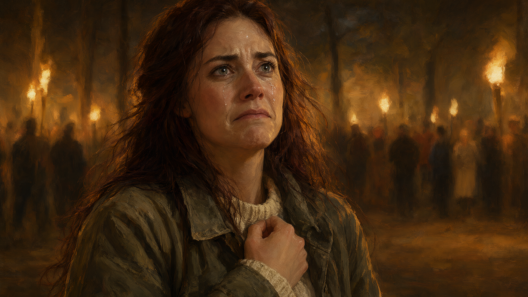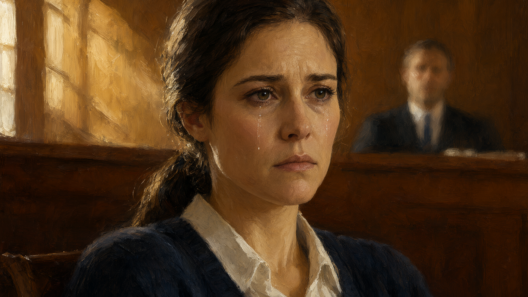
She sat down slowly and laid both hands on the silver.
“Get out,” she whispered. “And tell no one I touched it.”
She didn’t let go.
The Wolf Moon Feast came up gold and cold. Portia caught me in the tack room, alone, under six bridles and the smell of leather.
“Last chance,” she said. “Refuse him.”
“No.”
“Then you’ll watch him drink tonight, and then you’ll watch me take the hall.” She smiled. “I checked my tin this morning, stable girl. Cute. But I’m wearing a second one.” She tapped her bodice. “Silver travels. So does poison.”
“You know the funny thing?” I said. “You just told a witness.”
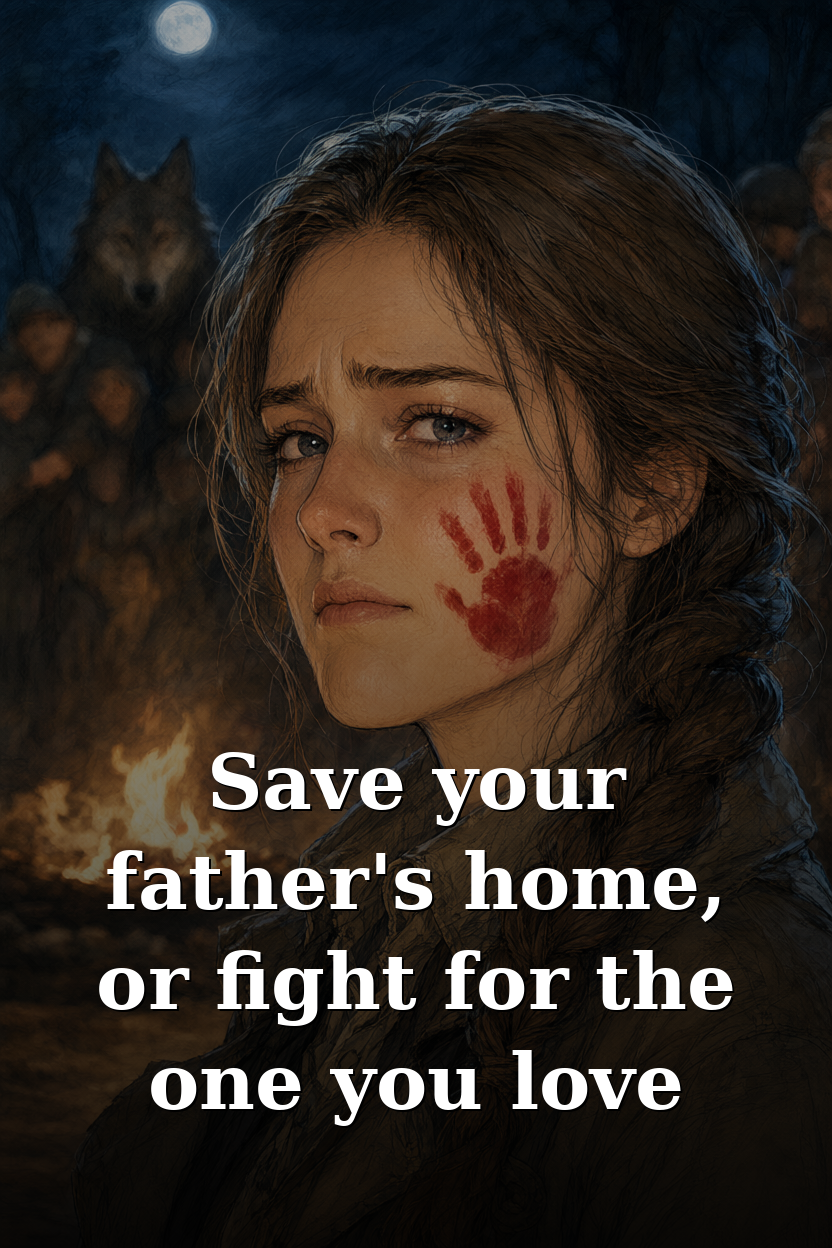
Her hand cracked across my cheek, and she was gone.
Then I went to find Bram.
The hall was full — fire, meat, three hundred wolves. I stood by the servers with a water jug. Bram stood where the cups were. The Dowager sat at the high table with her hands folded and a hammered-silver bowl in front of her.
Rufus went gray.
“Mended,” Imelda said, before he could ask. “Brought back this morning. The law, Rufus — a claim over a pack is sworn on the Luna’s bowl.”
“There’s no claim.”
“You brought the note.” She smiled, and it was terrible. “You always bring the note.”
He set the paper on the table and laid one hand on the bowl’s rim. “The note is true. Blackpine owes Hale four hundred thousand dollars, and the alpha answers it tonight, or the land is ours.”
The bowl didn’t ring.
It screamed — a long, thin silver note like a hare in a trap — and every wolf in the hall came up growling.
“That’s a trick,” Portia snapped. “She’s been in that bowl—”
“Sit down,” Sawyer said.
He stood and spoke very quietly, for an alpha.
“Say it again, Councilman.”
“I don’t—”
“Say it again.”
Rufus ran his tongue over his teeth and didn’t.
Bram laid the mill ledger on the table. There’s always a ledger. The original note was forty thousand, paid in spring — paid, stamped, filed. Someone with a fine pen had made it four hundred and moved the date past the old alpha’s death, when the only man who could swear to it was ash.
“Where’s the second vial, Portia?” Bram asked.
She moved fast — came up with the little glass and flung it at the fire — and Sawyer’s hand closed around her wrist while her father shouted about conspiracies and the bowl rang on, thin as a nail.
Portia’s face went small.
The council voided the note before midnight — that note, my father’s note, every paper with that fine pen on it. The Hales were given until dawn to ride out: seat struck, claim dead, lands theirs no more. The Dowager stood and named every word she’d signed for.
Then midnight came.
And my wolf woke.
It was like a door opening in my chest. Heat poured through me, my eyes lit gold; the stable girl went to the ground and came up in fur — smoke-gray, small, mine. I stood in the firelight and I was not nothing. I never had been.
Sawyer shifted with me, black wolf, scarred shoulder. He crossed the hall and touched his nose to the ruff of my neck, and the crescent burned gold on both our wrists — sealing this time, not burning.
Then he shifted back and pulled me up by both hands, in front of everyone.
“Eleven words,” he said. “The first time I ever heard them, they were mine, and they were wrong.” He turned to the hall. “I claim her. Open-eyed, out loud, forever.”
The Dowager set down the bowl and bowed her head to me — the old Luna’s silver and the old woman, both quiet at last.
Later, he asked me. “The cup. The note. The tin in the trough. Where did all of it come from?”
“The Moon gave me three days,” I said. “I spent them on you.”
He went still. “The first time. Did I—”
“You said it. I heard it. And I came back for you anyway.”
His hands tightened on mine. “Then I’ll spend this whole life saying the other thing.”
That’s the thing about a second chance. It doesn’t take the first life’s mark off your skin. It just lets you stand in the firelight, in fur and gold, and choose again — and this time, be chosen out loud.