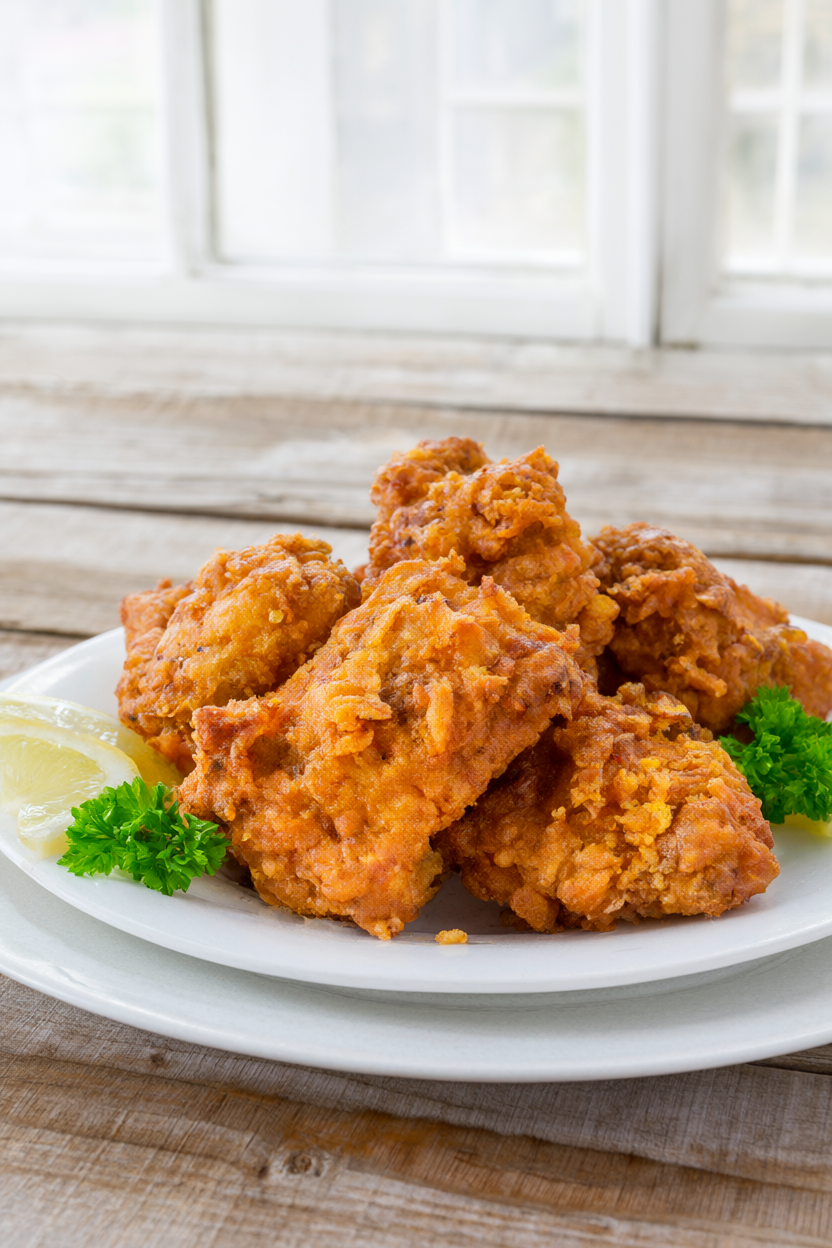
There’s a reason restaurant fried chicken shatters when you bite into it while a home-fried batch sometimes comes out pale and heavy. Most of the time it isn’t the breading. It’s the oil, and how hot it stays while the food cooks. You don’t need a deep fryer or a special trip to the store for crisp, golden results at home. These five rules for healthy cooking oils for frying make the biggest difference, whether you’re frying chicken, potatoes or vegetables, and they’re easy to build into any dinner.
Why High-Smoke-Point Oil Makes Crispy Fried Food
Oil breaks down when it gets too hot. Past its smoke point it starts to smoke, taste acrid and leave food with a tired flavor. Frying works best when the oil holds a steady 350-375 °F without straining. Oils with a high smoke point, 400 °F or higher, stay stable through that range. That stability is what gives fried food a crisp, clean-tasting crust instead of a greasy, heavy one. The oil is doing as much work as the breading, so it’s worth choosing one that can take the heat.
Swap Extra-Virgin Olive Oil for Avocado or Canola When Frying
Extra-virgin olive oil is a wonderful finishing oil. Its flavor and lower smoke point make it better suited to low-heat cooking and dressings than to a hot pot of frying oil. Save the good olive oil for drizzling and reach for avocado, canola, peanut or vegetable oil when you’re frying. All four stay stable at 400 °F or higher. If you’re avoiding peanut oil, canola and vegetable oil are easy, neutral swaps. Avocado oil costs more, but it has a high smoke point and a clean flavor that won’t compete with the food. Neutral oils also let the seasoning in the coating lead the flavor, which is exactly what you want in a savory fry.
Keep the Oil at 350-375 °F and Fry in Small Batches
Temperature is the difference between crisp and greasy. Food fried at the right temperature absorbs less oil than food cooked in oil that is too cool. A thermometer takes the guesswork out of the job, and a few simple habits keep the oil where it needs to be.
- Let the oil reach 350-375 °F, and give it a minute to come back up between batches.
- Pat food dry before it goes in. Surface moisture drops the oil temperature and keeps the coating from browning.
- Fry in small batches. A crowded pan cools the oil and steams the food instead of crisping it.
- Check the temperature again before each new batch, since every addition of food pulls the heat down.
Strain and Reuse Frying Oil Once or Twice, Then Serve with Vegetables
Frying oil can do more than one job. Let it cool completely, strain out the bits and reuse it at most once or twice. Discard it when it foams, smells stale or turns dark. That simple check keeps the next batch tasting clean.
How you serve the food matters, too. All oils have about 120 calories per tablespoon, so serve fried food as a portion alongside vegetables or a lighter side rather than making it the whole meal. A crisp salad, roasted vegetables or a simple slaw balances the plate and keeps the fried food a treat instead of the main event. Try fried chicken with a big green salad, fried potatoes with roasted vegetables, or fried vegetables with a lighter side.
Crispy, golden food at home comes down to a few small habits: choose an oil that can take the heat, hold it at 350-375 °F, keep the batches small, and strain and reuse what’s left. Serve it with vegetables, and the next batch will taste like the one you order out, without the guesswork.