Britain’s Got Talent is built on the promise that anything can happen, but this season’s most talked‑about auditions deliver on that promise with something extra: risk. The kind of risk you can feel in the room, when a judge hesitates, a performer breathes in, and an entire arena leans forward at once. Across a run of standout moments, the show breaks its own habits, rethinks its rules, and reminds us why live entertainment still matters.
A nineteen-year ask, answered on the spot
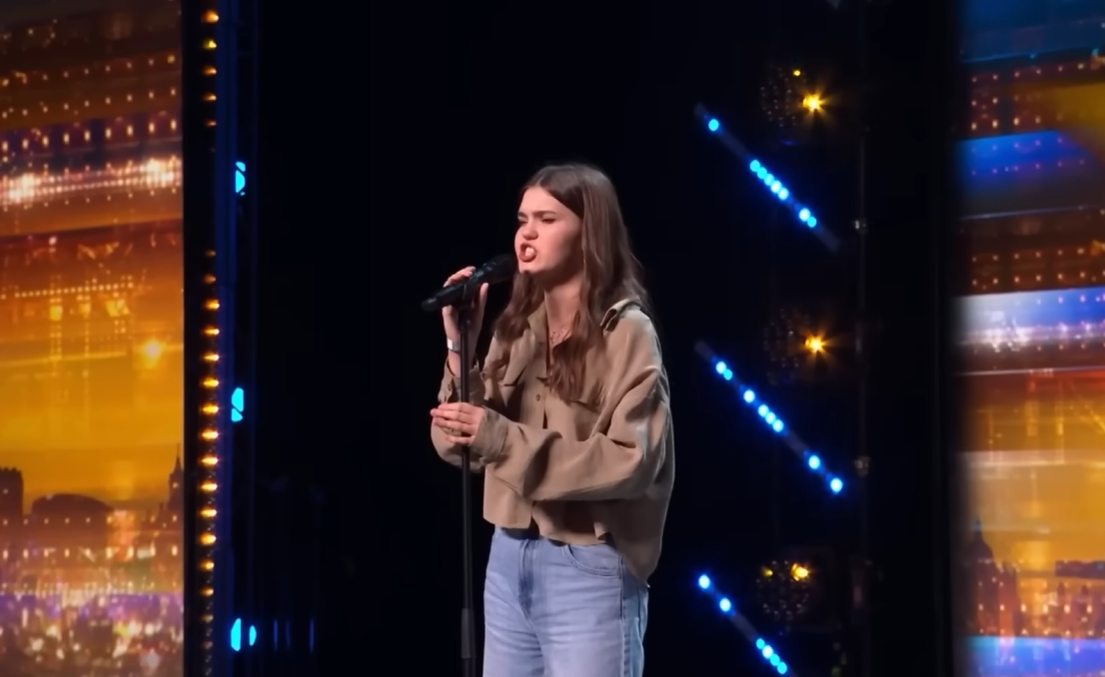
It starts, improbably, with a voice from the crowd. A man calls out, polite but insistent, and the panel—mid‑show—turns to find a young singer in a sharp jacket standing at the front row. He introduces himself with a steadiness that borders on disbelief: “My name’s Max. Max Fox. I was asking if he could audition.” You can hear the room catch its breath. Is this a wind‑up? Even the judges can’t quite tell. One of them pushes the producers to confirm what the audience is thinking: “I’ve just asked the producers to swear that this is not a setup.” Onstage, the man does not flinch. He has been waiting nineteen years for this. “I’ve been trying nineteen… nineteen years since I was 16 to get in front of you.”
He explains he used to line up at the stadium auditions in Manchester and never made it through. Now he’s somehow ten feet from the panel. He doesn’t brag, doesn’t plead. He just asks for a chance and looks the judges in the eyes. “Look. Be in the eye. You swear this is not a setup.” He answers himself: “I promise you. This is… this is my dream. I’ve managed to sing in front of you. That’s my dream.” The show could have said no. It decided to test the very idea of open doors and let him sing.
That alone is a thrill—a throwback to the earliest, rough‑edged seasons when a person and a voice could topple a plan. But it’s what happens next that earns the night its place in BGT lore.
“My Way,” and the room forgets to breathe
Max nods to the band, steadies a trembling hand, and takes a swing at one of the most unforgiving songs in the canon. There’s no confetti, no smoke; just a standard bearer of British TV and a stranger who wouldn’t stop asking. He doesn’t imitate. He tells the story. The first verse lands and the audience lets out that soft, communal gasp that starts small and becomes a wave. A judge whispers, half‑pleading, “He better be good now. He had better be good.” He is.
By the big climax, the crowd rises. It’s not tidy. It’s not supposed to be. That’s the point. When the last note fades, one of the judges leans back and says exactly what everyone is thinking: “No one is gonna believe this wasn’t set up.” Max can only shake his head and smile through a shock that has been nineteen years in the making. “It… it wasn’t. It was actually very emotional.”
A Golden Buzzer falls—again
What turns a surprise audition into a television moment is not just a voice hitting its mark; it’s a rule yielding in real time. As the ovation refuses to die, a judge looks down at the big button, looks back at Max, and does the thing the show has trained us to think is reserved, rationed, untouchable. The buzzer thunders. Then the confession: “I’m just gonna say I’ve already pressed my golden buzzer, so I’m in a lot of trouble because that’s my second golden buzzer.” The panel groans and laughs, but it’s the audience that tells you what matters: a roar that reads as relief. If a human moment can cause a system to bend, maybe the system is working.
Max is still blinking at the glitter when he tries to explain the impossible. “It’s the greatest day of my life… You can tick my bucket list.” The judges keep prodding at the authenticity, but he doesn’t break. He swears he bought a regular ticket. “Maybe I got my ticket… the audience ticket.” He isn’t a plant, and you don’t need a press release to tell you that; the room has already decided.
An 11‑year‑old electric shock to the system
The night could have coasted from there. It doesn’t. A boy named Ollie steps into the lights wearing nerves on his sleeve—small voice, slight stare—and admits what millions feel before they do anything brave: “Yeah. I’m quite nervous.” A judge reframes it for him, and for the rest of us: “It’s the best thing in the world to feel nervous. It means that you care about what you’re gonna do.”
Ollie is 11, from a town he calls “Raxam,” and still young enough to misname a hero. Asked for his favorite guitarist, he grins, “Angus Jones from ACDC.” The panel smiles. Then the track starts, the boy lifts his guitar, and the conversation ends. Inside the first bars, shy Ollie disappears. In his place is a tiny force of nature with tone, time, and the kind of swagger you can’t copy. The reaction is instant and unanimous. “Ollie, I mean, literally, a star is born,” one judge blurts, going on, “I have never ever seen anything like that in my life.”
Compliments that usually roll out like stock phrases land with edge and awe. “Congratulations on a well deserved golden buzzer. Well done.” Another judge, still processing the whiplash from quiet kid to arena anchor, stammers out a thesis on craft: “You know what? You already have your own distinct sound, which normally people take, you know, decades… You’re that good. I mean, seriously good.” It’s not just technique; it’s identity. At 11. If Max’s moment argued that rules bend to truth, Ollie’s made the case that talent sometimes shows up early and fully formed.
The eight‑year‑old who outfoxed the panel
Next comes Teddy, a magician by instinct and a showman by birth certificate. He’s eight. He opens with more theater than many adults: “You have to wait and see,” he tells the panel when they ask what he’ll be showing. Then he starts handing out drinks. “Simon, I’ve got two drinks here, champagne and fizzy orange, and one of them is my favorite drink in the whole world. Can you guess which one?” A judge shoots his shot—”Is it prime?”—and Teddy doesn’t miss a beat: “One of these two. Oh, sorry.” When someone gestures at the bottle of bubbly, Teddy deadpans, “I’m eight.”
Stage control looks easy until you try it. Teddy makes it look easy. He corrals the room with chirpy authority, then lets chaos in on a leash. “Can you shake the bottle for me, Simon?” he asks. When the judge goes too far, Teddy snaps, “Harder? More. Harder. Hey. Stop.” The audience howls. Between gags, he plays the room’s nerves like a piano—”Before I came here today, I’ve read some sentences my mom doesn’t really like me saying, such as, ‘Where’s my spider?'”—before springing a tidy, confounding card routine. A torn card. A label peeled from the champagne bottle. A reveal that makes the panel sit up straight. “Wait. What? There’s a card.” The punchline isn’t a shout; it’s a match. “Now the corner that you have, do they match?” The answer from the desk is small and certain: “Yes.”
The judges reach for superlatives with the kind of surprise you can’t fake. “I’m just in awe of what I’ve just seen. It’s incredible. You’re so confident. You’re already a star at your age, and I’ve never seen anything like that in my life.” Another raises a hand to claim the obvious: “I think that there’s an adult trapped in an eight year old’s body.” The panel lines up their votes like dominos—”I would like to be the first person who gives you a yes… It’s a yes from me, Teddy… I’m saying yes… A massive yes.”—but you already knew how this was going to end. You could feel it in the rhythm of his patter. The trick worked before the magic did.
Fear as family entertainment: the Tormentor unmasked
Not every standout on the night is a heart‑sweller. Some are designed to rattle. A masked figure stalks out claiming, “I am the tormentor. I am here to inflict misery upon one of you and make your nightmares a reality.” It’s melodrama until it isn’t. The Tormentor picks a target. Belts snap shut. “Oh, he’s strapping as well. Oh, it’s tight. He’s going nowhere.” The target is KSI, in the judge’s chair and suddenly not in control. If you know his online life, you know he loves being in on the joke. This time, the joke is on him.
The Tormentor pushes at the edges of the panel persona—digging for a teenage memory, teasing a name that makes the room gasp, tapping out a sizzle reel of “a selection of your greatest hits” and then, with the glee of a kid who found his older brother’s secret, whispering a single word designed to breach a grown man’s bravado: “Insects.” It’s a schoolyard dare on arena scale. KSI tries to bluster: “I’m gonna kill you. I’ll kill you.” Then the mask comes off. “Hey, guys. I’m Deji. I am… I’m KSI, brother. Brother.” Of course.
Sibling rivalry warms the room faster than any stage light. KSI spits, “I hate you so much,” through a grin he can’t smother. The judges, suddenly in on decades of family lore, prod with tabloid glee: “What did he do to you growing up that made you do that to him?” and “I wanna know more about this Rhiannon.” The target protests—”No. No.”—but it doesn’t matter. The bit works because it’s both cruel and kind in equal measure. There’s triumph in the trick, but there’s love under it. The panel returns the love in the only currency that counts here. “Well, Deji, it’s a yes from me… Then it’s a yes for me.”
The hacker who put a judge on the spot
As if to prove no one is safe, the show’s next disruption comes not from a person but from an idea. The feed stutters. A phone rings. “Who’s doing that?” a judge snaps, then checks the screen: unknown. A voice, flat and taunting, pipes up over the speakers. “Simon, I’m the hacker, and you and I are about to trade places. It’s time for the judge to be judged.” It’s a clever inversion of the series’ core power structure. The act doesn’t ask for approval; it seizes it.
What follows is part prank, part mind game. “Think he might want you to go with it,” someone suggests. The panelist stands, shuffles out to the stage, and perches where performers usually sweat. On the desk, the Hacker takes the mic like he’s always owned it. A whiteboard appears. “Now, Simon, I’m thinking of a word. Write down the first word that comes to you. Keep it clean.” The judge scribbles, mumbling, “Nice and thick… I’m thinking… Well, you’ve got two minutes to change your life.” The Hacker doesn’t blink. He turns the drama screw with the timing of a veteran. “Simon, let’s see if you hacked my brain. The word I’m thinking of is… melon.”
Does a word match prove mind‑reading? No. But that’s not really the point. This is about pushing a judge into a performer’s skin and watching the authority slip. It’s about the way a single idea can tap into the cultural moment. At one point in the night, an uneasy aside slices through the noise: “That’s a fake me. That’s AI.” Whether you hear it as a line from this act or a different illusion later in the episode, the sentiment is the same. We are living through a time when fakery feels both frightening and fun, and BGT, perhaps better than any other British show, knows how to turn that tension into family TV.
Why these auditions landed
What ties this run of auditions together isn’t genre. You have a crooner from the crowd, a rock‑kid revelation, a junior magician playing chess while everyone else still sets up their boards, a horror‑prank with a heart, and a concept piece about power and perception. The common thread is nerve. Max asked the question most of us swallow. Ollie admitted fear and then played like he’d never met it. Teddy acted eight years old when jokes needed to pop and 38 when the method had to stay hidden. Deji set up his own brother not for humiliation but for a shared laugh their fans would recognize. The Hacker flipped the show’s camera around and made a host sit with the weight he usually doles out.
There’s also a throughline in the panel’s behavior. Beyond the usual “we loved it” choruses, the judges said things that felt like they were thinking in real time. To the boy with a guitar: “You already have your own distinct sound… You’re that good.” To the tiny conjurer: “I have no idea, genuinely, how this happened.” About the gatecrasher: “Good for you for doing what you did.” And in the biggest break from format, a juror confessing, breathless and giddy, “I’ve already pressed my golden buzzer… that’s my second golden buzzer.” These are not mere reactions; they’re admissions that the show’s neat lanes blur when something real barrels through them.
Even the way the audience behaved mattered. You could hear them egg on Max before the first note: a wave of “Go on, then” energy that only a British crowd can make sound both skeptical and warm. You could feel them tighten when Teddy mentioned a spider and then relax into a belly laugh when he cut the tension with a look. You could chart the emotional journey from KSI’s mock‑terror to post‑reveal relief simply by the pitch of the screams. Television often fakes this stuff. This didn’t need faking. The room did the heavy lifting.
Old songs, new stakes
There’s a reason the show allows big, dangerous standards like “My Way” to sit at the center of a night like this. They’re built to expose singers at the seams. Sing them badly and you show you don’t understand the lyric. Sing them well and you risk being called a copy. Only when a performer uses the song as a structure for their own life does it catch fire in a room like BGT’s. Max pulled that off—not by being perfect, but by being present. When a judge muttered, “He had better be good. That’s some builder, isn’t it?” the line sounded like a warning. After the last note, it read like a dare met.
That dynamic—big pressure, bigger swing—was everywhere. Ollie didn’t need a dozen pedals or a band. He needed a tone and a backbone. Teddy didn’t need a truckload of props. He needed a bottle, a card, and the confidence to boss around a panel without crossing the line. Deji didn’t need a ten‑minute script. He needed a single, shared history and a few props that made his brother squirm. The Hacker didn’t need to expose a method. He just needed to expose a judge to a different view.
What it means for the rest of the season
If this is the temperature of BGT 2025, the rest of the year will favor acts that not only perform well but understand context—how to use the room, the judges’ reputations, and the live‑wire unpredictability of the format. Expect more boundary‑pushers who flirt with the show’s rules without breaking its heart. Expect more young performers who arrive startlingly complete. And expect judges who, emboldened by nights like this, take bigger swings of their own—pressing buzzers earlier, staying their hands longer, admitting on mic when they’ve been surprised.
Above all, expect more moments that read as real. In the era of polished perfection and algorithm‑sweetened feeds, the thing that made this night sing was the sense that we were watching decisions happen, not just outcomes. A judge debates whether to trust a stranger. A boy battles his nerves and wins. A kid magician scolds a billionaire and earns a standing ovation for it. A brother makes a brother flinch and then laugh. A mystery voice makes a power broker hold a marker and try to read a room. It’s all a little messy, which is another way of saying it’s alive.
Watch, rewatch, and argue about it tomorrow
Whether you’re here for the heart‑tug of a “greatest day of my life” story, the thrill of a brand‑new guitar hero, the crisp joy of a trick that lands, or the delicious discomfort of a judge on the wrong side of the table, this set of auditions delivers. If you missed the gasps, the laughs, the second Golden Buzzer that made the panel wince and the audience scream, queue it up. Let the room noise wash over you. See if you buy the Hacker’s mind game. Decide whether Teddy’s bottle‑label reveal fooled you. Ask yourself if you would have let Max on. Then watch how the night answers.
Because this is the promise the show still keeps: somewhere between a stranger’s first step onstage and a final shower of gold, a story sneaks up on you. And sometimes—if you’re very lucky and just brave enough to ask for it—that story finds the person who has been waiting nineteen years, and finally lets him sing. Dive into the full video, see the performances in sequence, and get ready to pick your own favorites before the live shows make them household names.