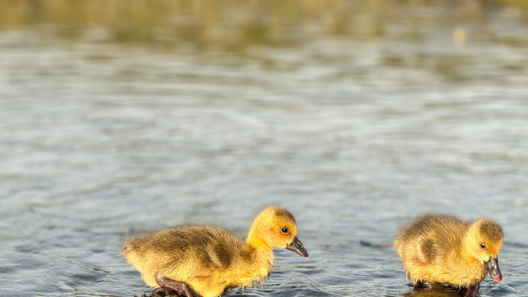
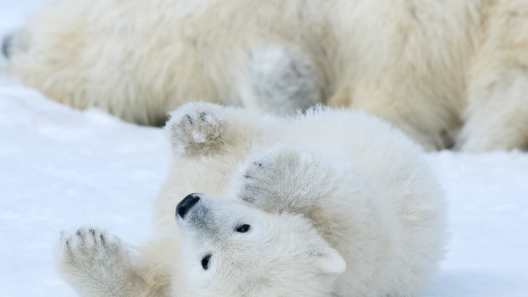
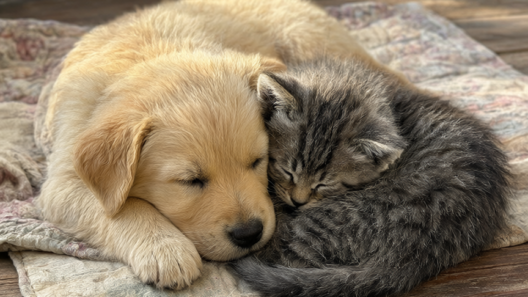
There is something about small things by the sea that loosens a person up. A pup the size of a bread loaf, a chick still wearing its baby fluff, a turtle the size of a coin — they all seem to say that the world is not so serious after all. Scrolling through this gallery is like taking a slow walk along the shore, stopping whenever something tiny catches your eye.
Each little face below comes with one true fact about the species, the sort of thing you can tuck away and bring out later at the dinner table. Take your time. Smile at the fluff. And keep an eye out for the fact you did not know.
All photos in this gallery are AI-generated illustrations.
1. A Cushion on the Sand
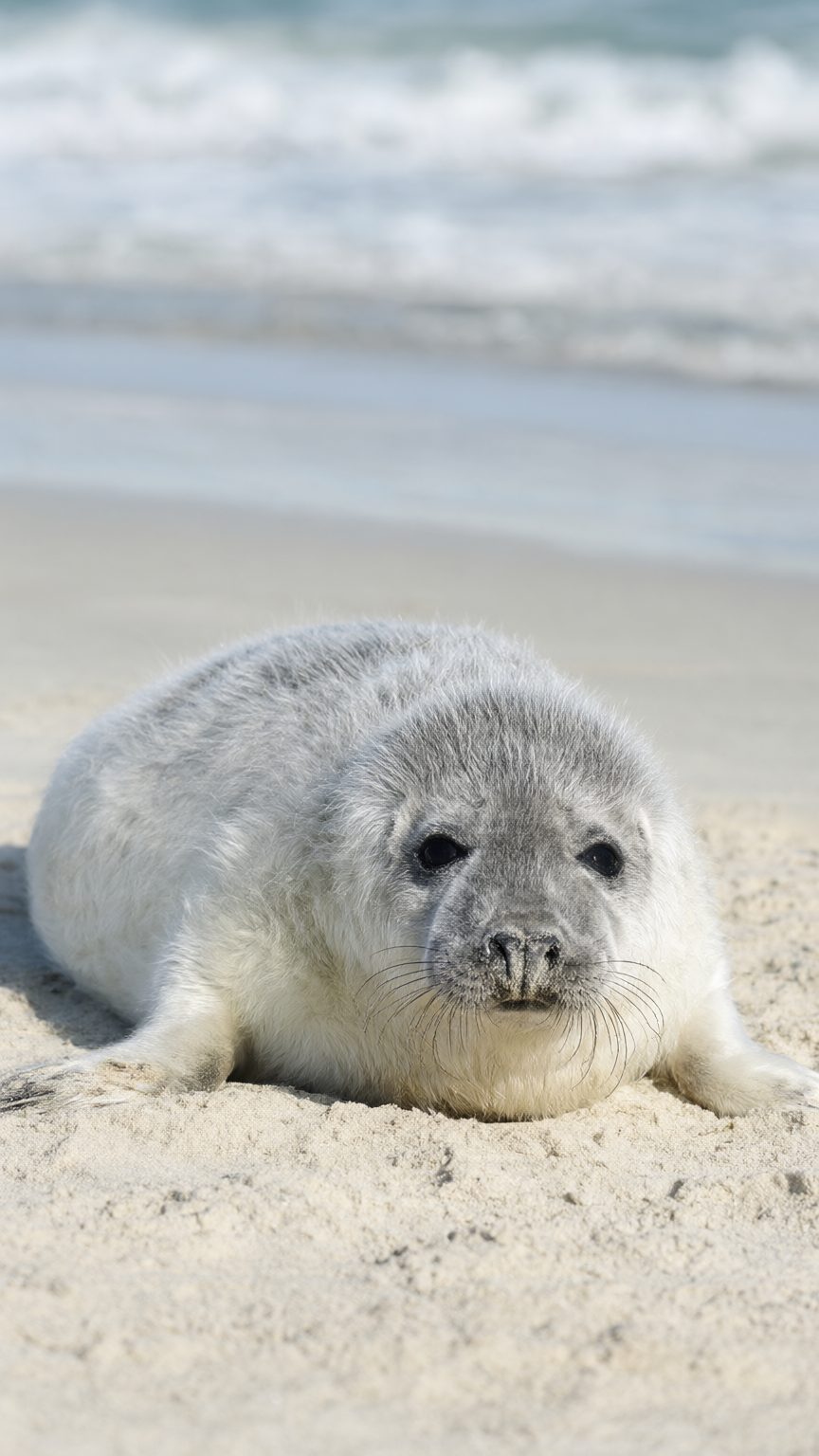
Our first little friend is doing what seal pups do best: absolutely nothing, in the most charming way possible. Stretched out on pale sand with whiskers fanned and dark eyes half closed, it looks like a small grey cushion that has decided to spend the afternoon exactly here. The sea murmurs behind it, the light is soft, and there is not a single urgent thing on the schedule.
Here is the fact to take with you: a grey seal pup is born with soft white fur that is not properly waterproof yet, so it stays on land while its mother slips off to feed at sea. She finds her own pup again among many by scent and by its call. That small, patient wait on the sand is part of the design.
2. Floating Without a Care
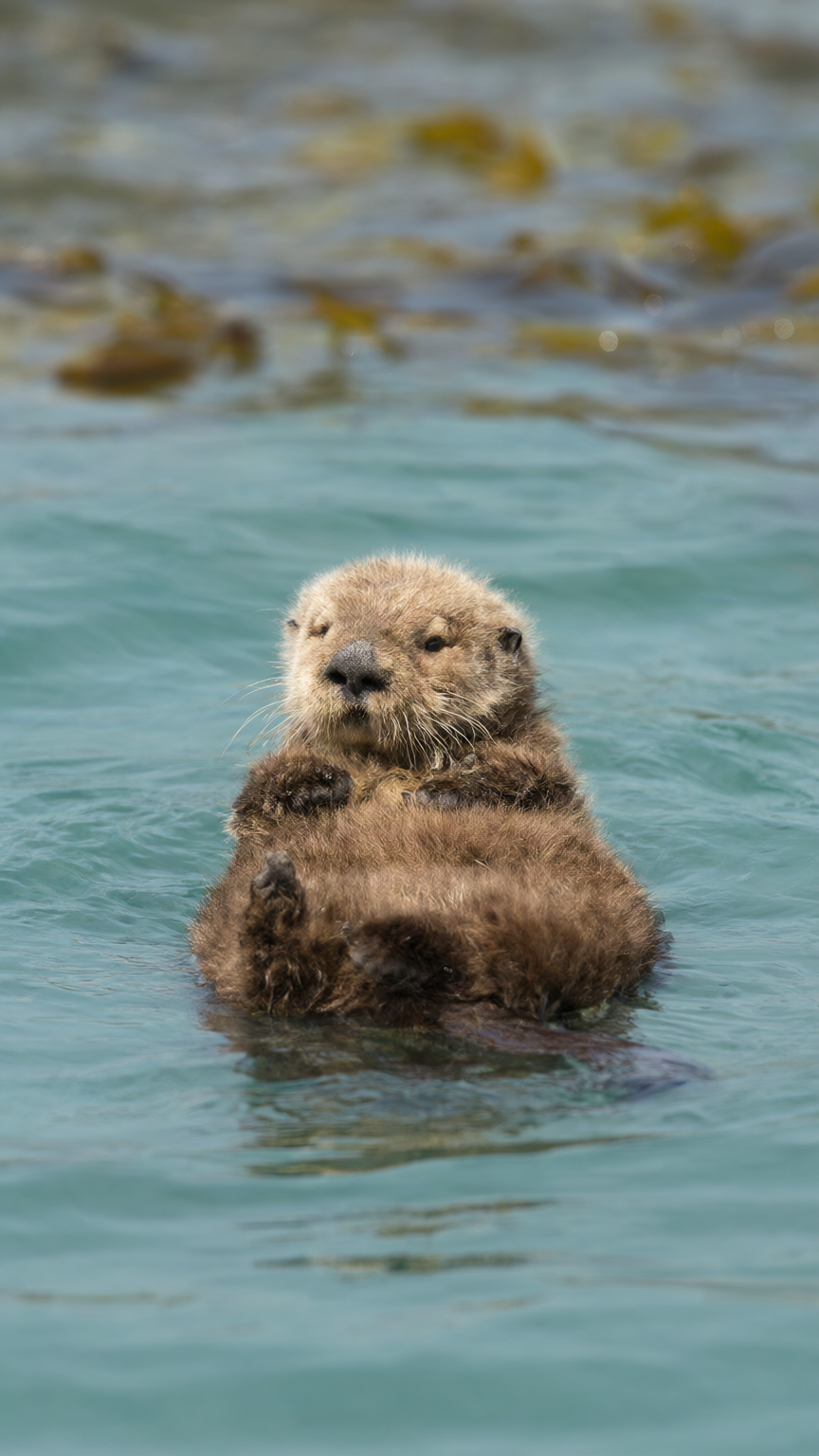
This one is enjoying the best seat in the house: on its back, in calm turquoise water, tiny paws folded neatly on its chest. Sea otter pups ride like this while their mothers dive for food, bobbing on the surface like a furry little boat with whiskers. The kelp swaying behind suggests a quiet nursery, and the pup looks entirely at home in it.
And the fact: sea otters are famous for holding paws while they rest in groups called rafts, so they do not drift apart on the current. They also have the densest fur of any animal, which is why a pup looks so impossibly plush. It is not fat, it is mostly fluff and good insulation.
3. The First Dash to the Sea
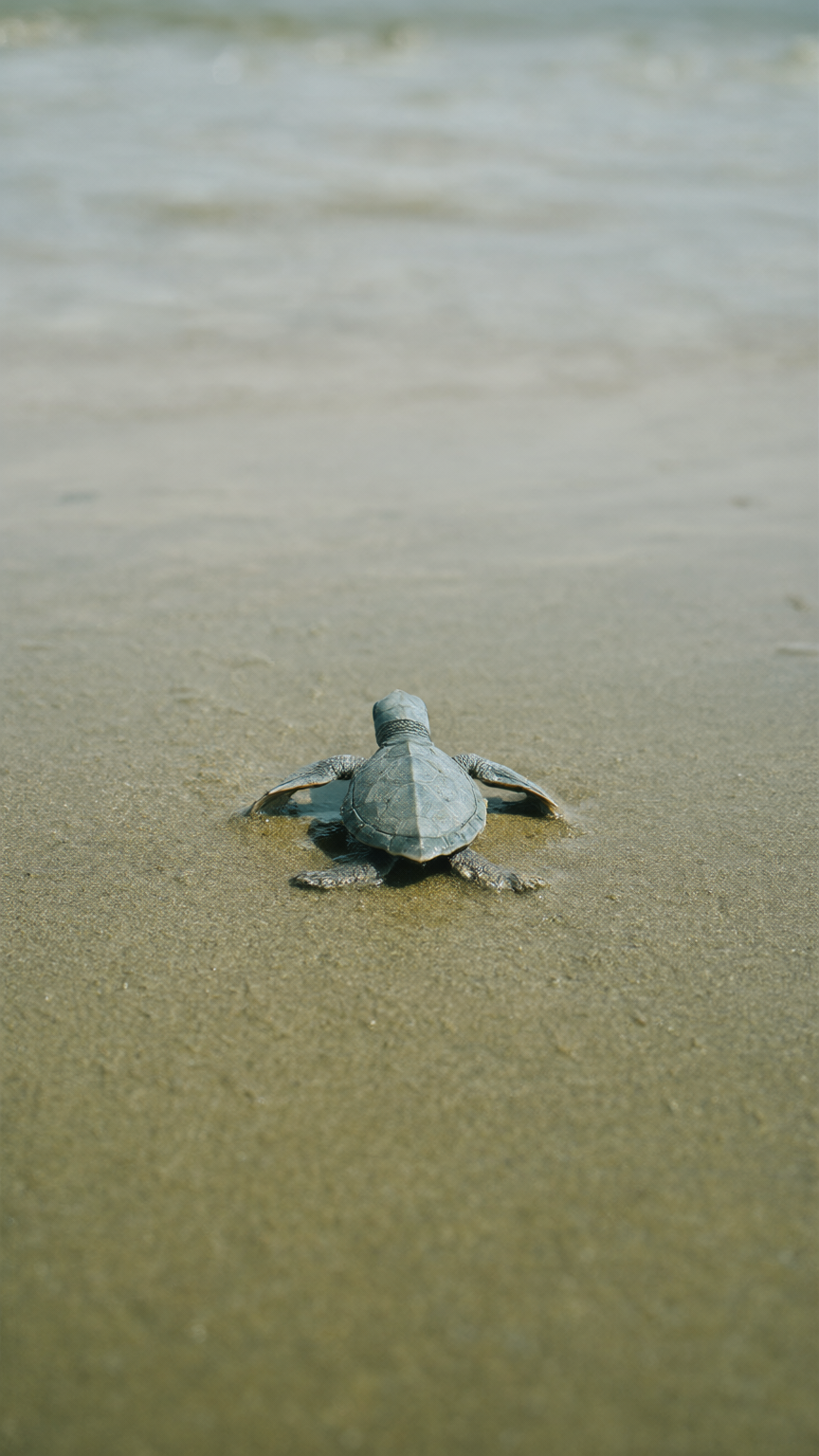
The smallest traveler in the gallery is on the move. Four flippers spread, head lifted, this hatchling is crossing wet sand with the focus of someone who has exactly one appointment. The blurred surf ahead is the destination, and every ounce of its tiny body seems pointed toward it. It is hard not to cheer quietly for such a determined little creature.
The fact here is a good one: sea turtle hatchlings find the sea by heading toward the brightest horizon, which is normally the moonlit water. Bright beach lights can point them the wrong way, which is why coastal towns dim their lamps in nesting season. A tiny turtle, it turns out, navigates by light.
4. The Rocktop Lookout
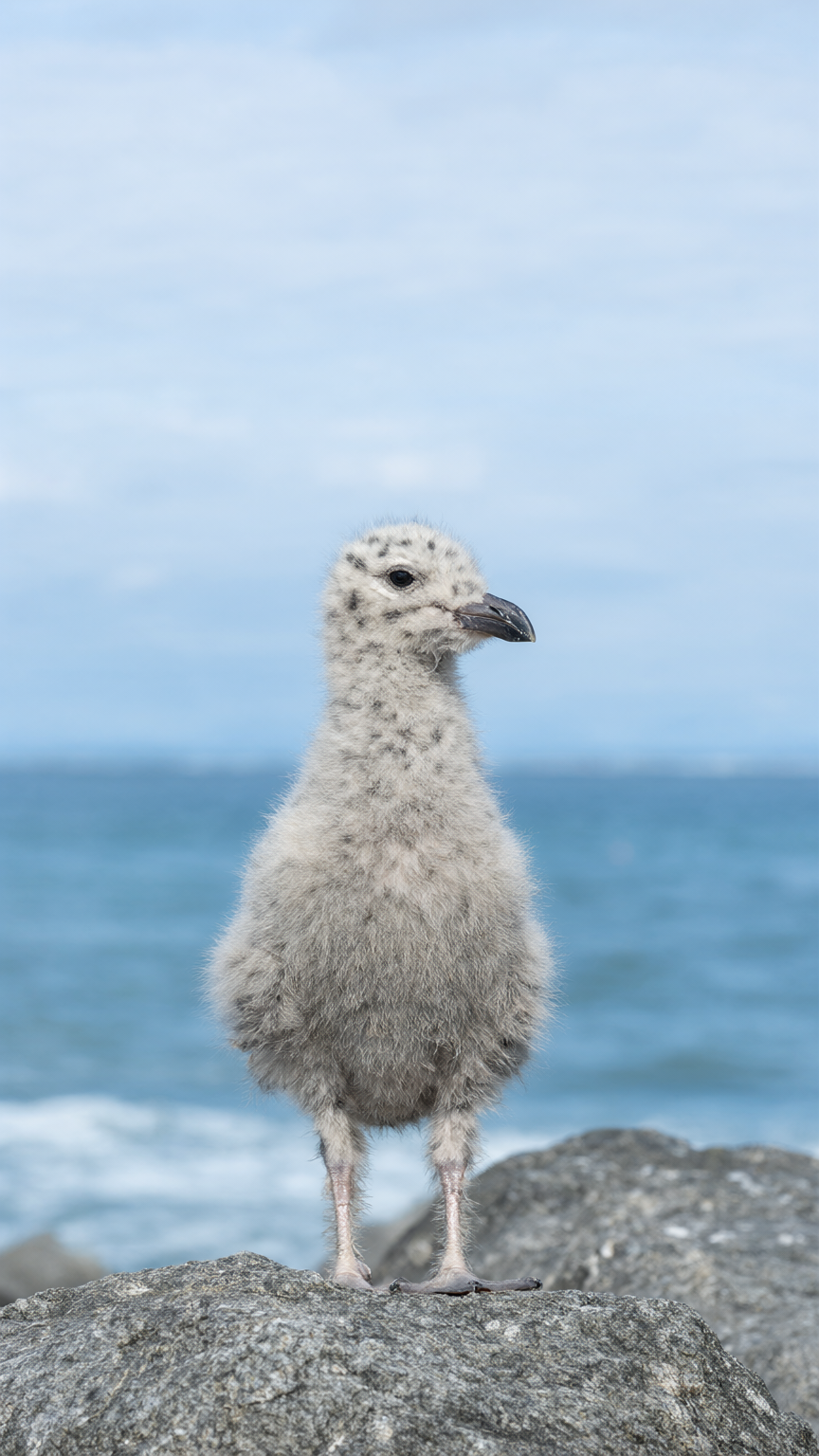
Perched on a grey rock with the sea behind, this fluffy gull chick looks like it has been left in charge of the whole coast. Its down is still soft and mottled, its dark eye is bright, and its stance says it has opinions about the weather. There is something very self-important about a chick this small standing on a rock this big.
The fact is one of the classics of birdwatching: a herring gull chick begs by pecking at the bright red spot on its parent’s yellow bill, and that tap prompts the adult to bring up food. It is a tiny piece of teamwork that plays out on rooftops and cliffs every spring. This little one already knows exactly where to aim.
5. A Throne With a View
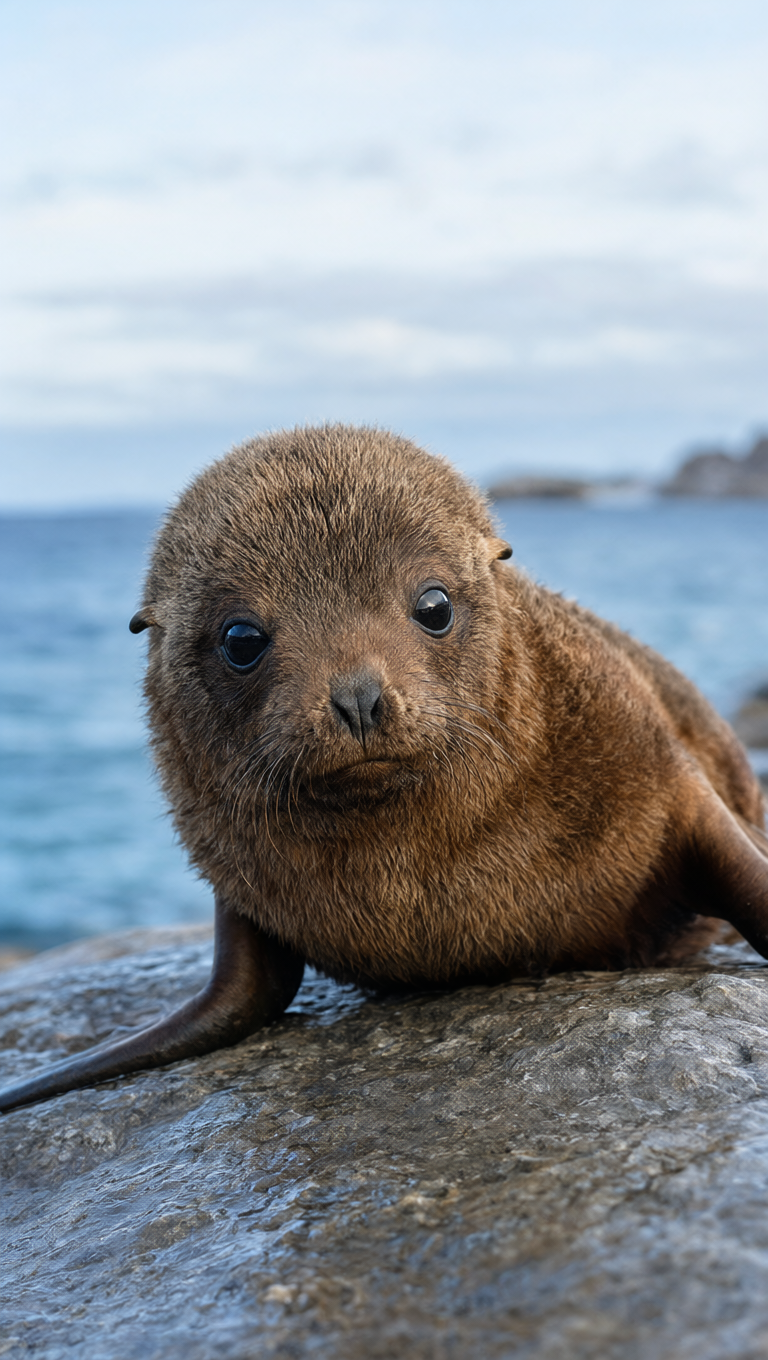
Our fifth baby has found a wet grey rock and turned it into a throne. Lying on its belly with fine whiskers catching the light, the sea lion pup looks sleek, curious and slightly smug, as if it knows the view behind it is very good. The blue water and pale sky make the whole scene look like a postcard from a coast that only animals get to visit.
The fact: sea lions have small external ear flaps and can walk on their flippers, while true seals have no ear flaps and move on land by shuffling and bouncing. That is the quickest way to tell them apart at a distance. This pup’s neat little ears are already giving the family secret away.
6. Pebbles for a Plump Visitor
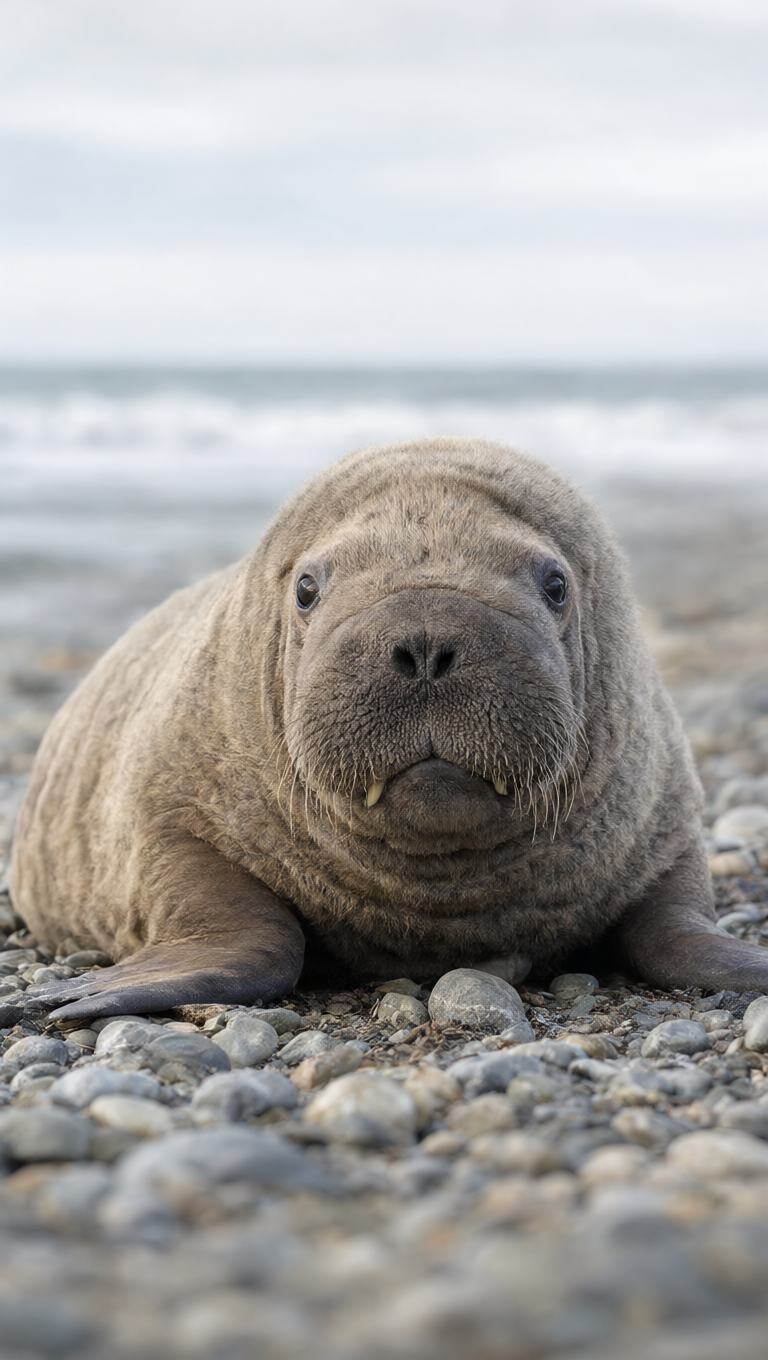
A plump walrus calf has hauled itself onto a pebble beach and seems to be considering a nap. With its small tusks, broad muzzle and wise little eyes, it looks like a very old soul in a very new body. The calm grey sea behind completes the picture of a baby taking a break between swimming lessons.
Here is the fact: walruses use the thick, stiff whiskers on their muzzles to feel for shellfish on the seafloor, and they can blow jets of water to wash the mud away before eating. A calf stays close to its mother while it learns the ropes. That calm face is a future expert at work.
7. The Smallest Curl in the Grass
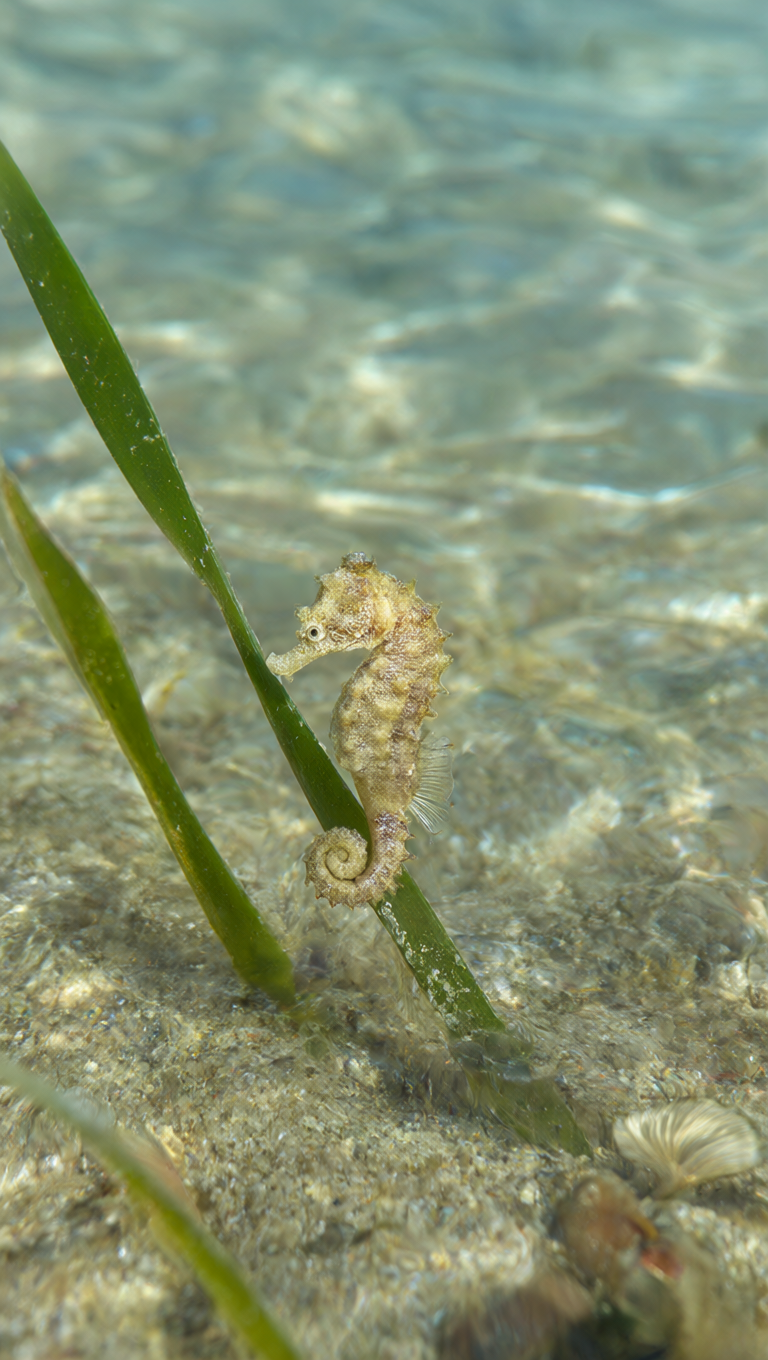
Tucked among green seagrass blades, a juvenile seahorse is holding on with its curled tail and letting the water do the rest. It is barely longer than a fingernail, all delicate angles and tiny fins, and its pale gold color blends into the sandy shallows. The whole scene feels like a secret someone forgot to keep.
The fact: male seahorses carry the developing eggs in a pouch and give birth to the young, while females produce the eggs. Seahorses also use their prehensile tails to anchor themselves to seagrass so the current does not carry them away. This little one is already a master of holding on.
8. Waiting at the Burrow Door
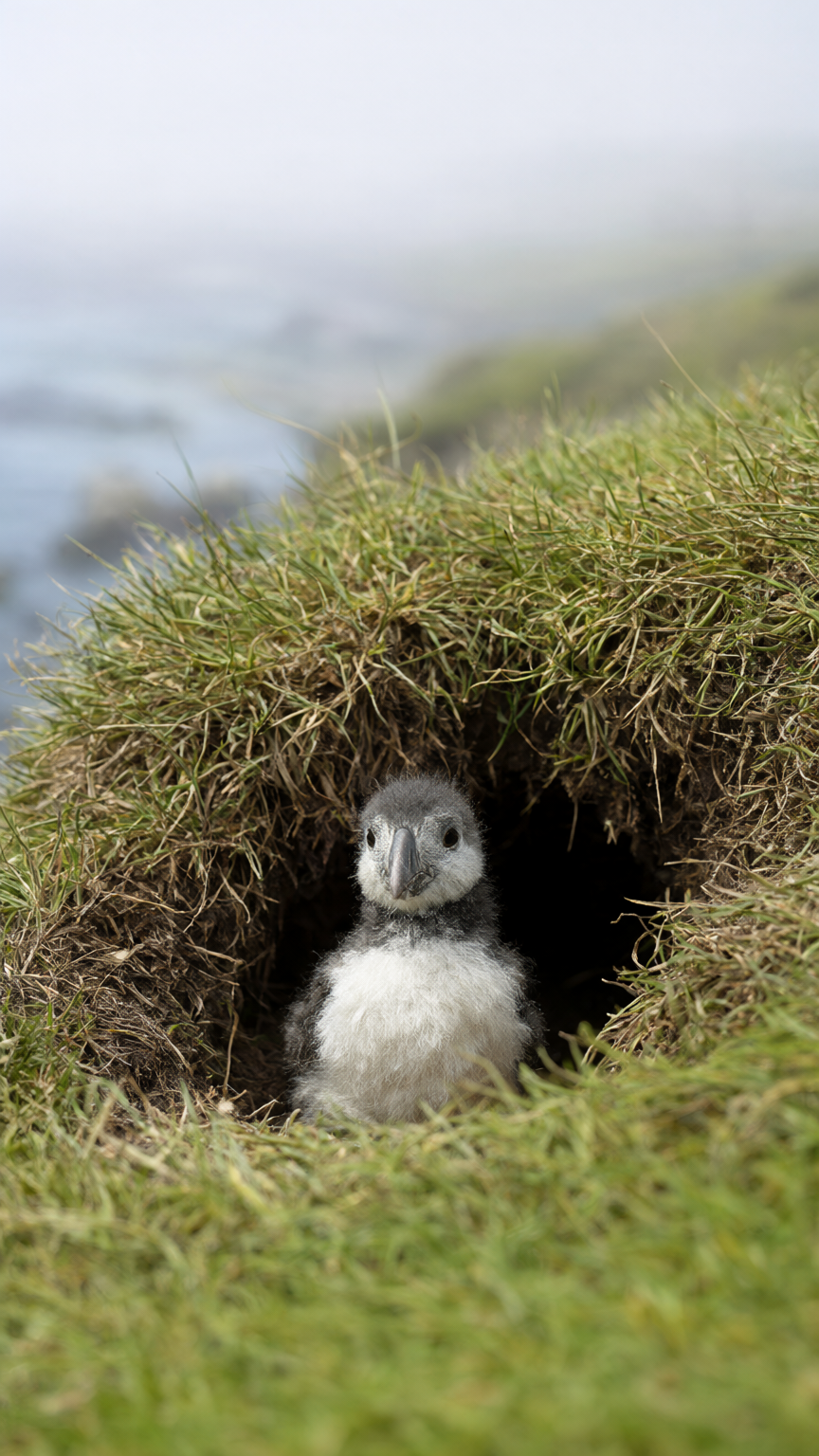
At the mouth of a grassy burrow, a puffin chick waits with the patience of someone who knows dinner is on its way. Its fluffy grey-white down and small dark beak make it look like a soft toy that has been left on a cliff. The hazy sea behind is a reminder that this burrow is a nursery with one of the best views in the world.
The fact: puffins are superb swimmers and use their wings to fly underwater, chasing small fish through the cold sea. They spend most of the year offshore and return to land to breed in burrows just like this one. That little beak will one day be bright orange and blue, but for now it is all baby.
9. The Ledge Above the Waves
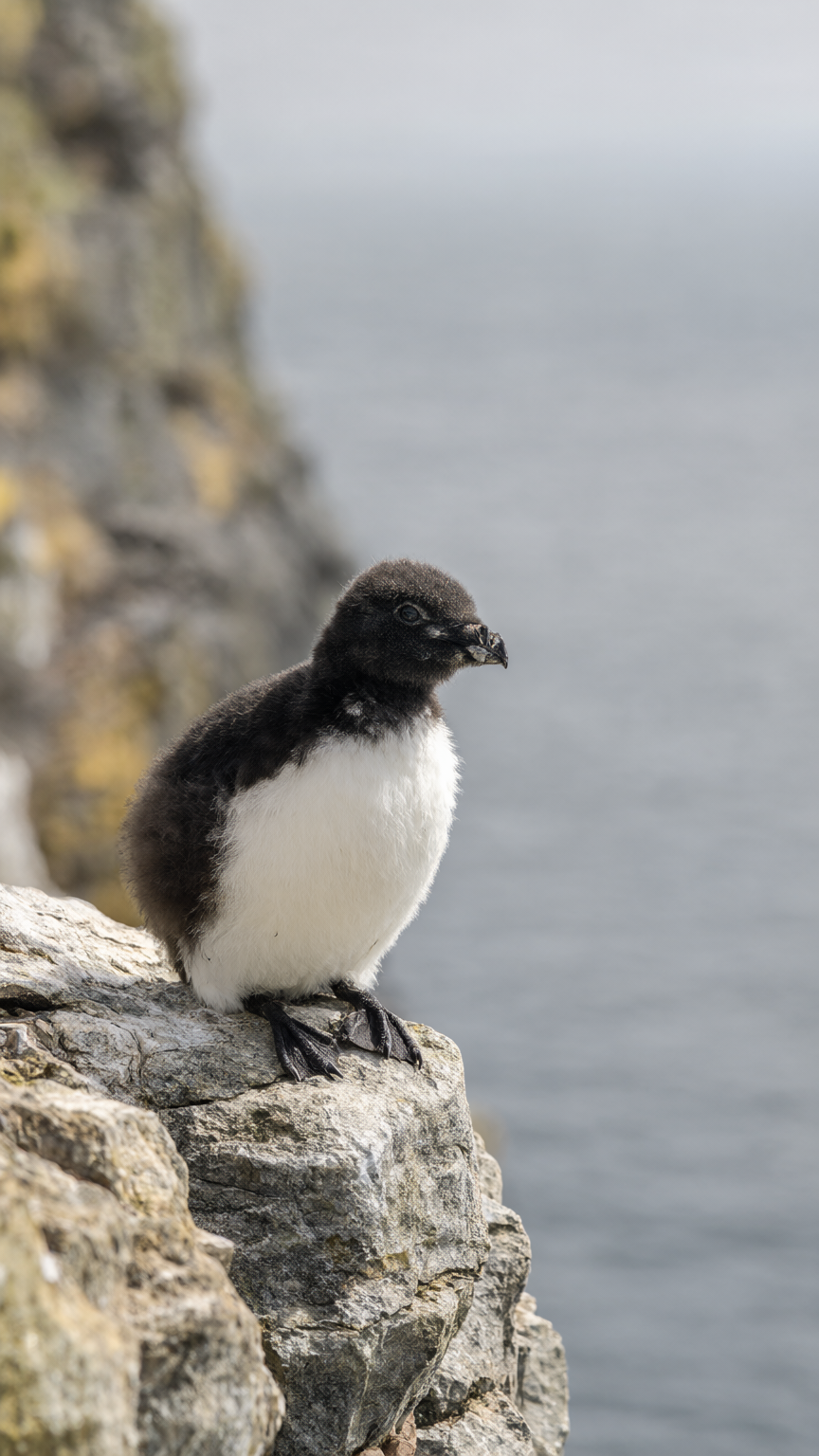
A razorbill chick stands on a narrow ledge above the sea, black-and-white down still soft, dark beak already serious. It looks like a tiny cliff expert surveying its kingdom, and in a way it is: this is exactly the kind of place its parents chose for a nursery, high above the reach of most visitors. The hazy water below is both a promise and a long way down.
The fact: razorbills are members of the auk family and use their wings to propel themselves underwater, much like penguins, which lets them hunt fish far below the surface. They nest on rocky ledges like this one, often in crowded colonies. For a chick, the ledge is both a safe seat and a front-row view of the sea it will soon master.
10. A Tern Chick Takes a Break
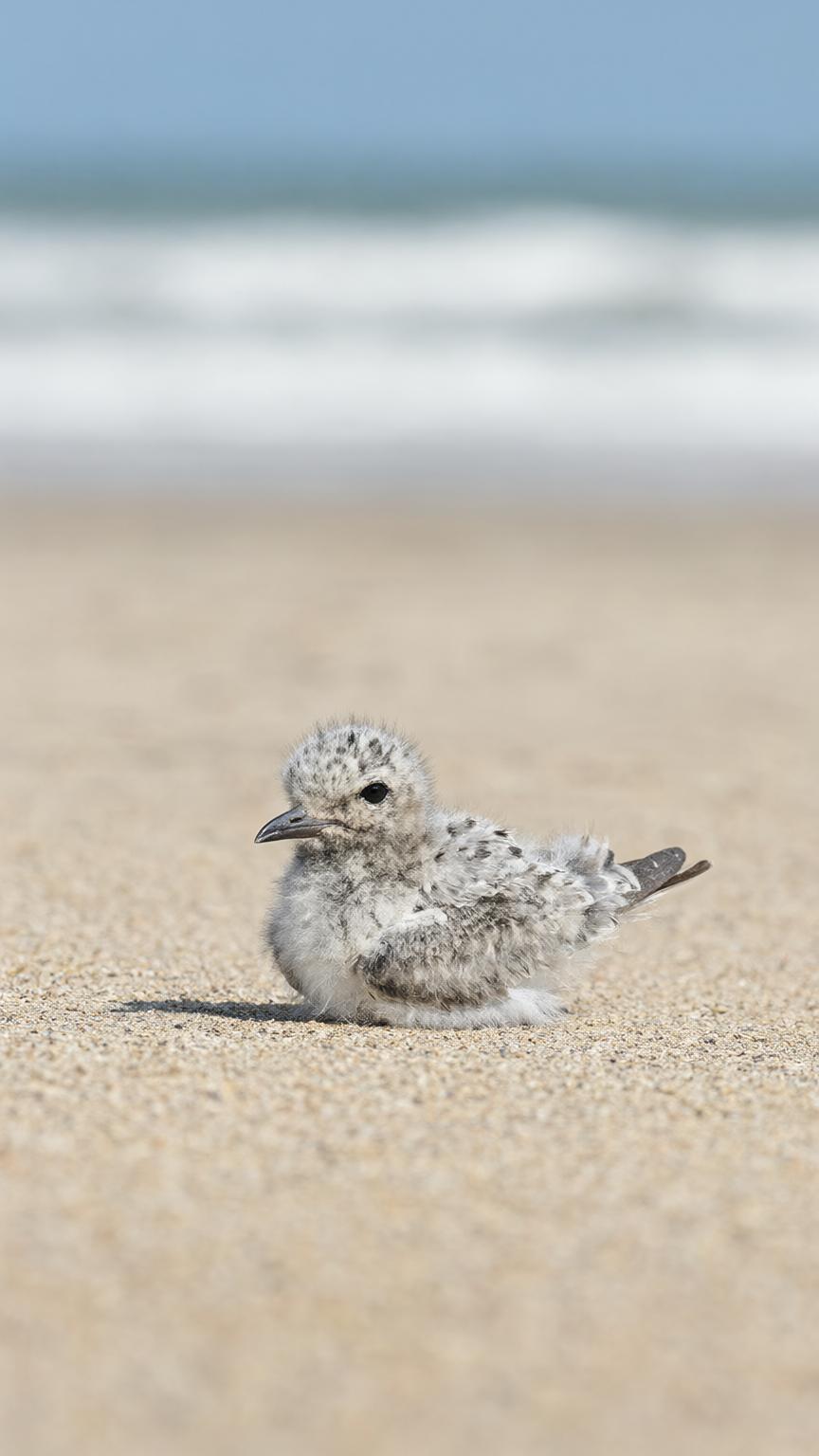
This speckled tern chick is doing its best impression of a pebble. Crouched low on open sand with its wings folded and its black eye fixed on the middle distance, it trusts its camouflage completely. The blurred surf behind makes the beach look endless, and the chick looks like a small grey stone that happens to be alive.
The fact: terns are among the great travelers of the bird world, and some species fly from the Arctic to the Antarctic and back each year, following summer around the planet. They also plunge-dive for fish from above the water. A chick this well hidden on a wide beach has a very adventurous future ahead of it.
11. Shells Make the Best Floor
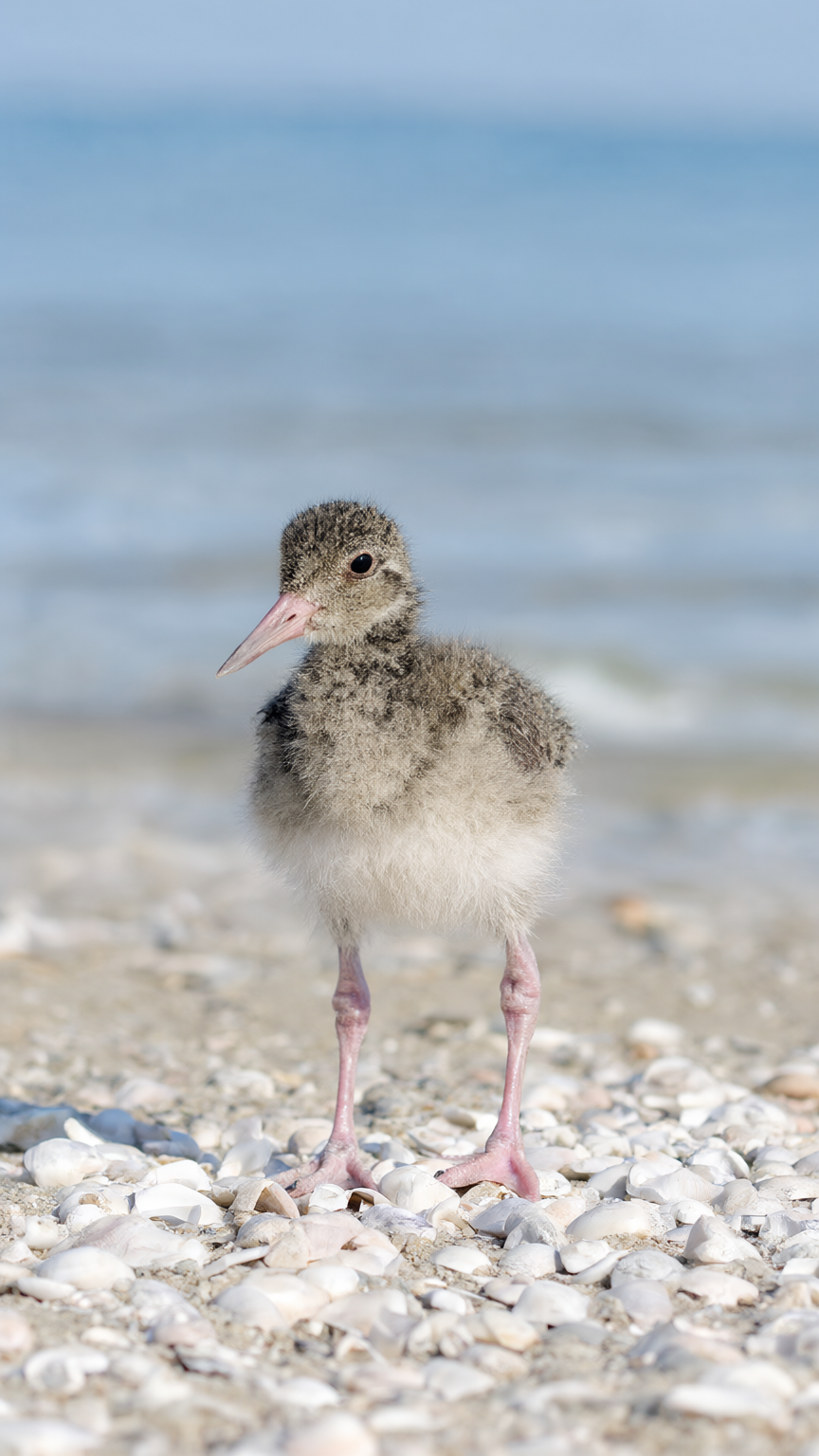
Standing on a bed of broken white shells, the oystercatcher chick looks like it has wandered into a jewelry shop. Long pink-grey legs, soft grey-brown down and a neat pink bill give it a formal, almost dressed-up look. The sea beyond is a soft blue blur, but the chick’s attention is all on the ground, where its future dinner lives.
The fact: oystercatchers use their strong bills to pry open mussels and oysters, and a chick learns the technique by watching its parents. Their name is a little misleading, though, because they also eat worms and crabs. This little one is standing on exactly the right sort of table.
12. The Seaweed Snack Stop
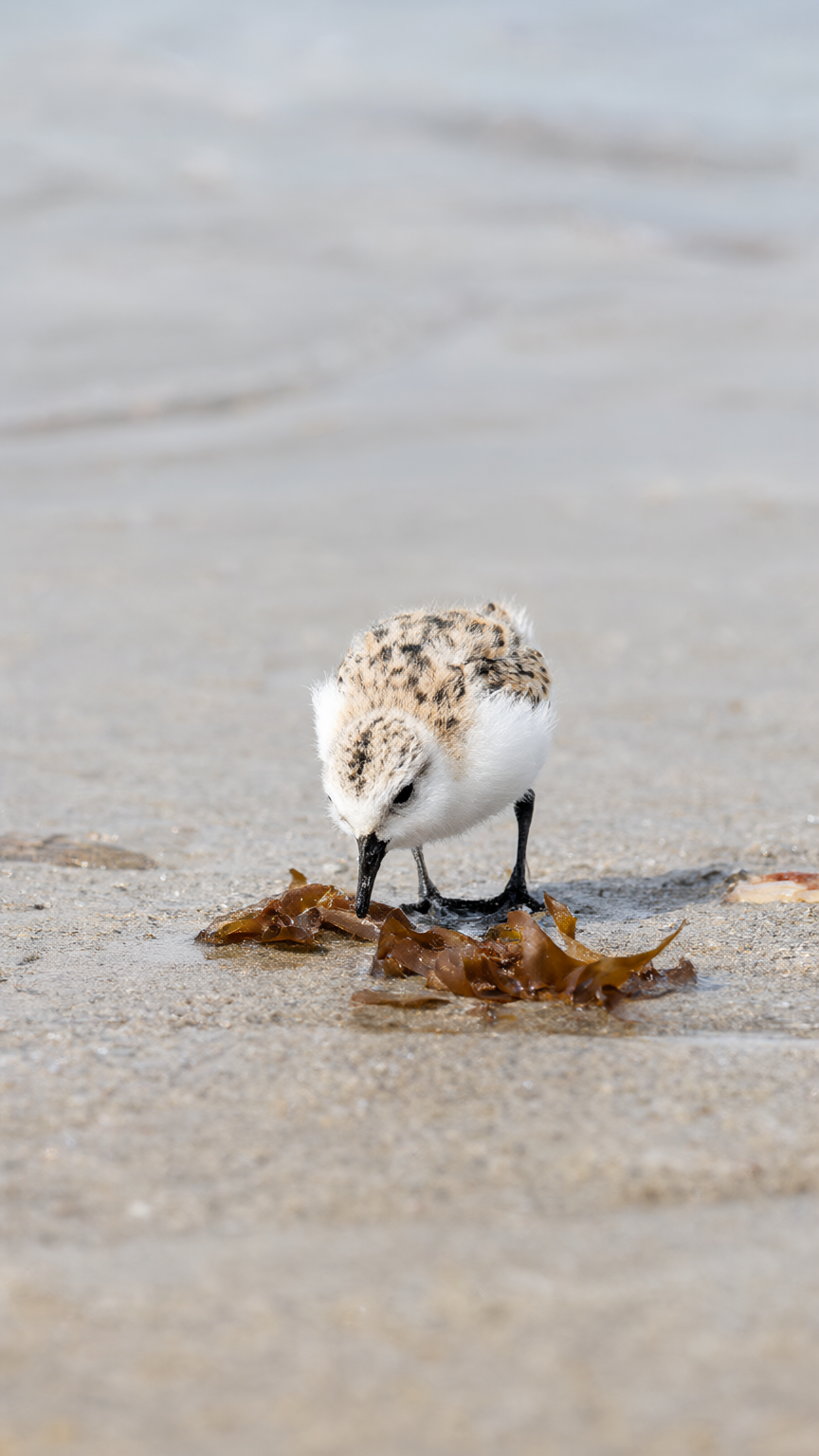
Down at the waterline, a sanderling chick is busy with the most important meal of the day. Pale speckled down, a neat black bill, and a strand of brown seaweed that seems to be the main course — or at least the restaurant. The wet sand shines around it, and the little bird pecks with total concentration.
The fact: sanderlings are famous for running after retreating waves and then scampering back before the next one arrives, snatching tiny creatures from the wet sand as they go. That stop-and-go dance is one of the joys of a winter beach. This chick is already practicing the family choreography.
13. The Fluffiest Local on the Coast
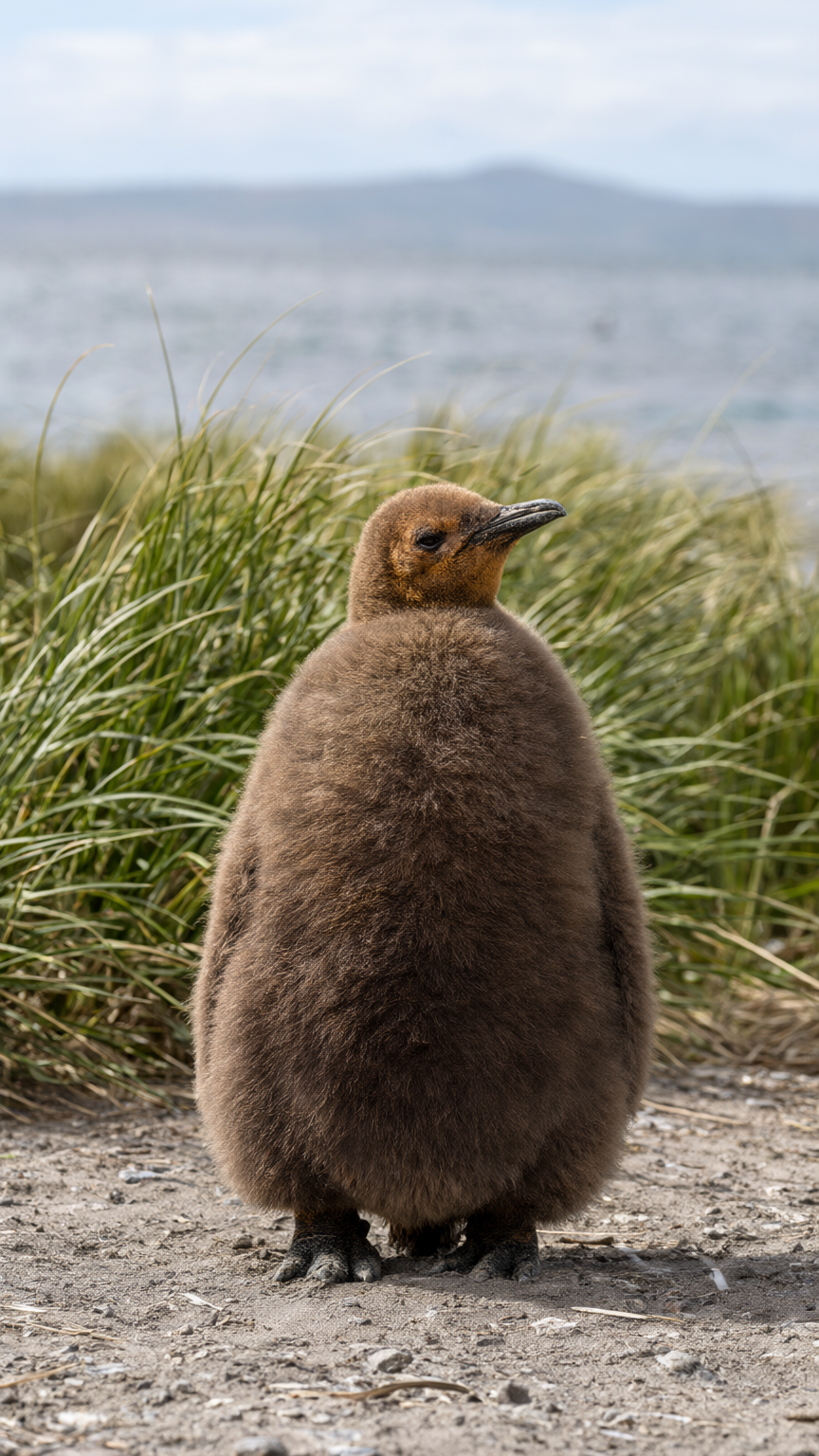
The fluffiest local on the coast is a king penguin chick, and it knows it. Standing in a thick brown down coat that looks several sizes too big, it resembles a small, solemn teddy bear that has been left on a subantarctic beach. Green tussock grass and a grey sea frame it perfectly, and the overall effect is less bird, more very serious toddler.
The fact: king penguin chicks hatch with brown down and only grow their black-and-white adult feathers much later, so for months they look like a different species entirely. Penguins cannot fly in the air, but they fly through the water with their flippers. This round little local is simply between costumes.
14. A White Whale in the Shallows
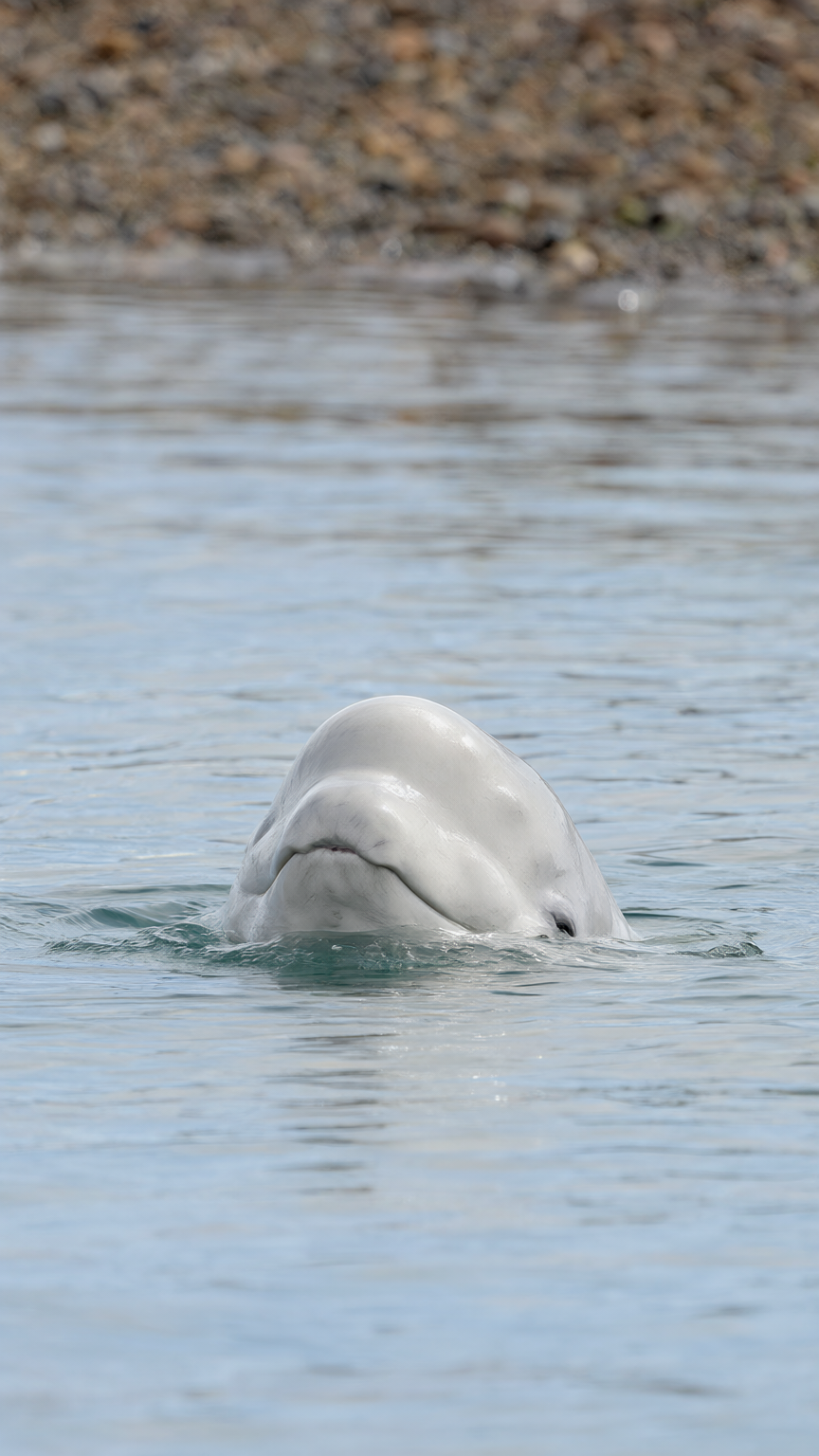
A pale grey beluga calf has surfaced in calm shallow water, and the first thing you notice is the smile. The rounded melon of its head, the small dark eye and the smooth ripples around it make the whole scene feel gentle and a little otherworldly. Behind it, a pebble shore softens into the distance.
The fact: beluga whales are nicknamed sea canaries because they produce a wide range of chirps, whistles and clicks, and they use sound to navigate and to keep in touch with each other. Their rounded melon is soft and can change shape as they make those sounds. A baby beluga is a talkative neighbor from day one.
15. Someone Found the Tide Pool
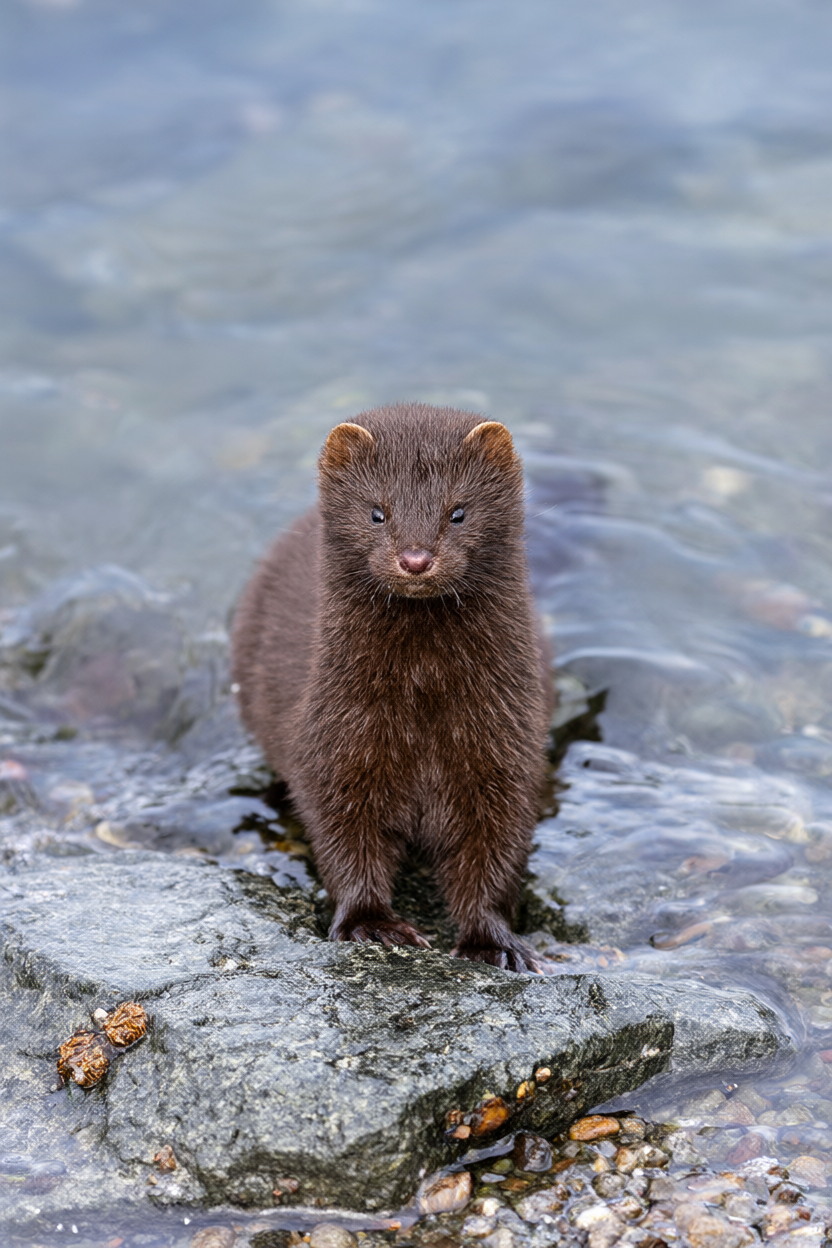
A young mink stands on wet grey rocks with the confidence of a creature that knows every shortcut along this shore. Sleek brown fur, small dark eyes and rounded ears give it a curious, alert look, and the shallow tidal water below is full of barnacles and pebbles. It seems to be deciding whether to investigate us or the next rock pool.
The fact: American mink are semiaquatic hunters with partially webbed feet, and they are powerful swimmers that patrol the water’s edge for fish, frogs and crayfish. They are also famously curious and quick to investigate anything new. This one looks like it has already checked the whole coastline.
16. A Dolphin Calf Says Hello
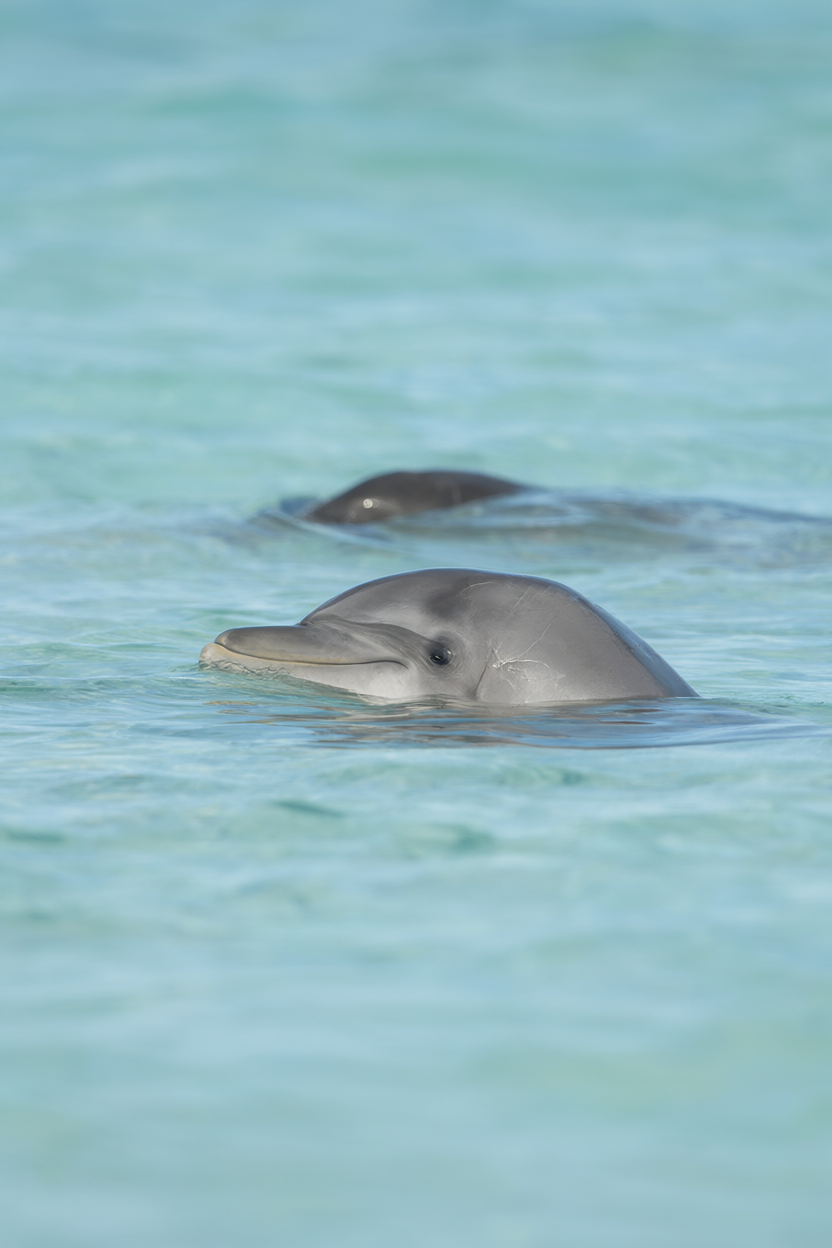
A bottlenose dolphin calf lifts its head from calm turquoise water, and for a second it looks like it is saying hello. The smooth grey skin, the dark eye and the soft ripples around the melon make it look friendly and clever. Behind it, another dolphin’s back breaks the surface, a quiet reminder that the calf is not alone.
The fact: dolphins breathe through a blowhole on top of the head, and they sleep with one half of the brain awake so they can keep breathing and stay alert. Calves stay close to their mothers for a long time, learning the ways of the pod. This little one already has a very good bodyguard.
17. The Smallest Shell on the Sand
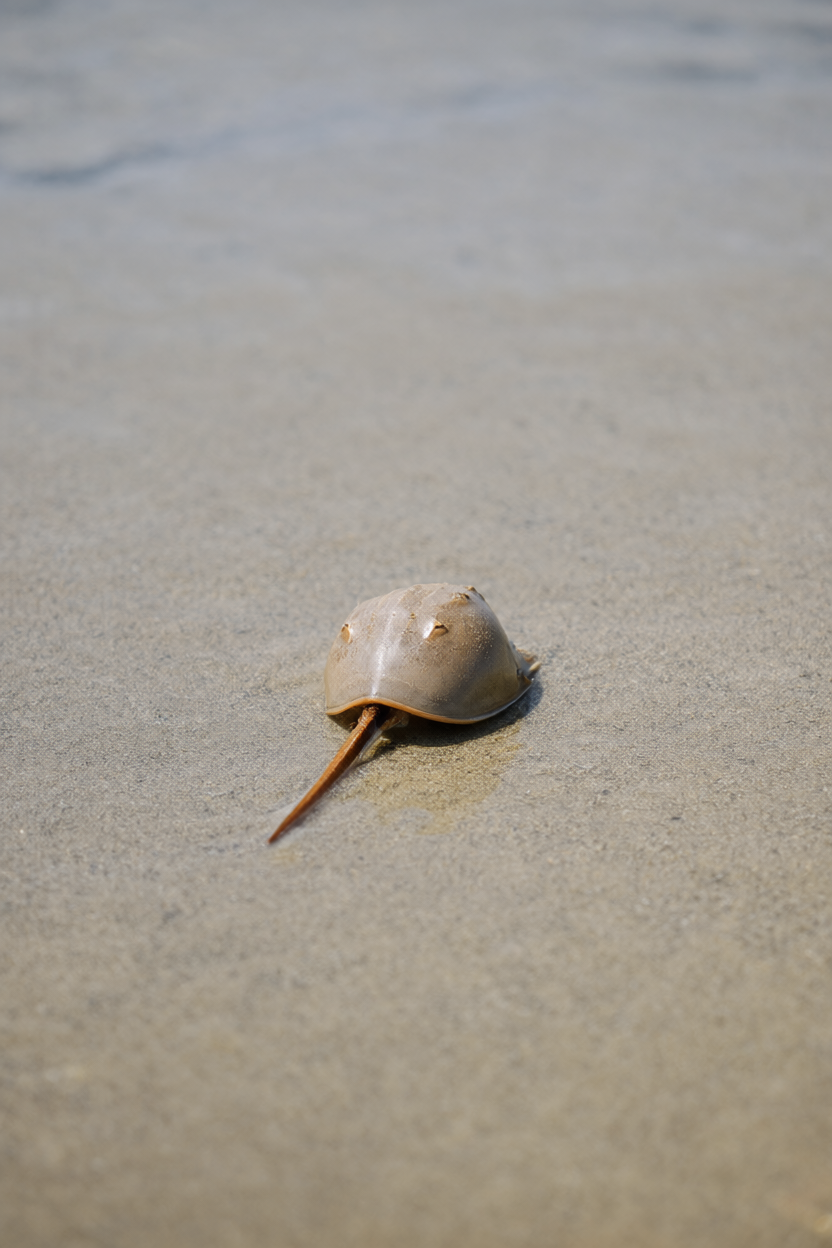
At first glance, this beach find could be a small brown helmet someone dropped in the shallows. Then you notice the thin tail and the neat trail in the wet sand, and the horseshoe crab reveals itself. It is tiny, ancient-looking and completely harmless, trundling along the bottom of a shallow film of water.
The fact: horseshoe crabs are not actually crabs but are more closely related to spiders and scorpions, and they have been around since before the dinosaurs. Their blue blood is used to test medical equipment for contamination. This miniature traveler is a living link to a very distant past.
18. Ears Up, Nose to the Breeze
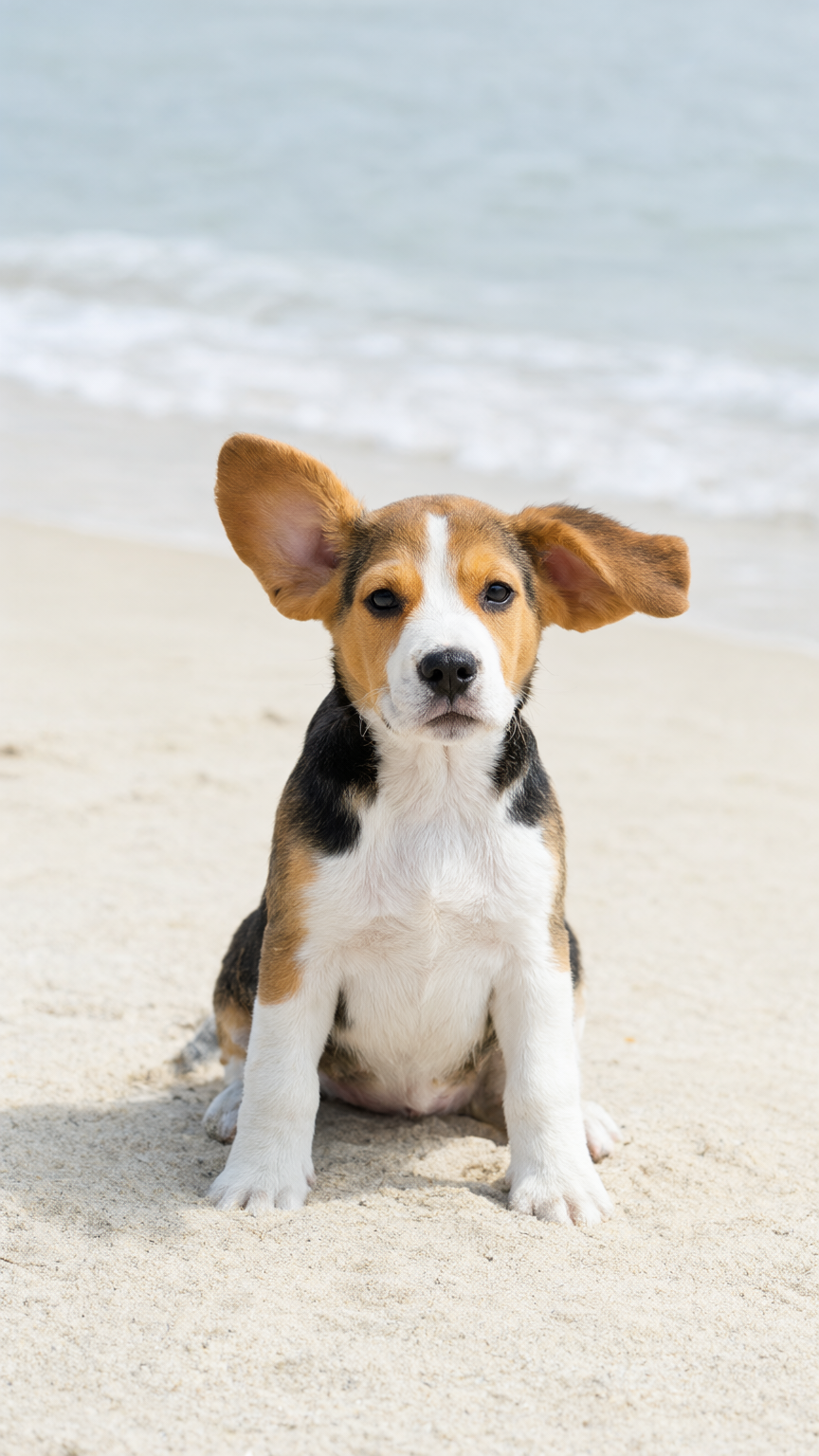
A tricolor beagle puppy sits on pale sand with its ears lifted by the breeze, and the whole beach instantly feels friendlier. White muzzle, soft floppy ears, bright eyes — it is the picture of a small dog who has just discovered that the world is enormous and full of smells. The surf behind is calm, but that nose is working overtime.
The fact: beagles were bred to hunt rabbits and have an extraordinary sense of smell, and their long floppy ears are thought to help sweep scents toward the nose. They follow their noses with a dedication that borders on stubborn. This puppy is clearly already on the trail of something wonderful.
19. The Nest Above the Water
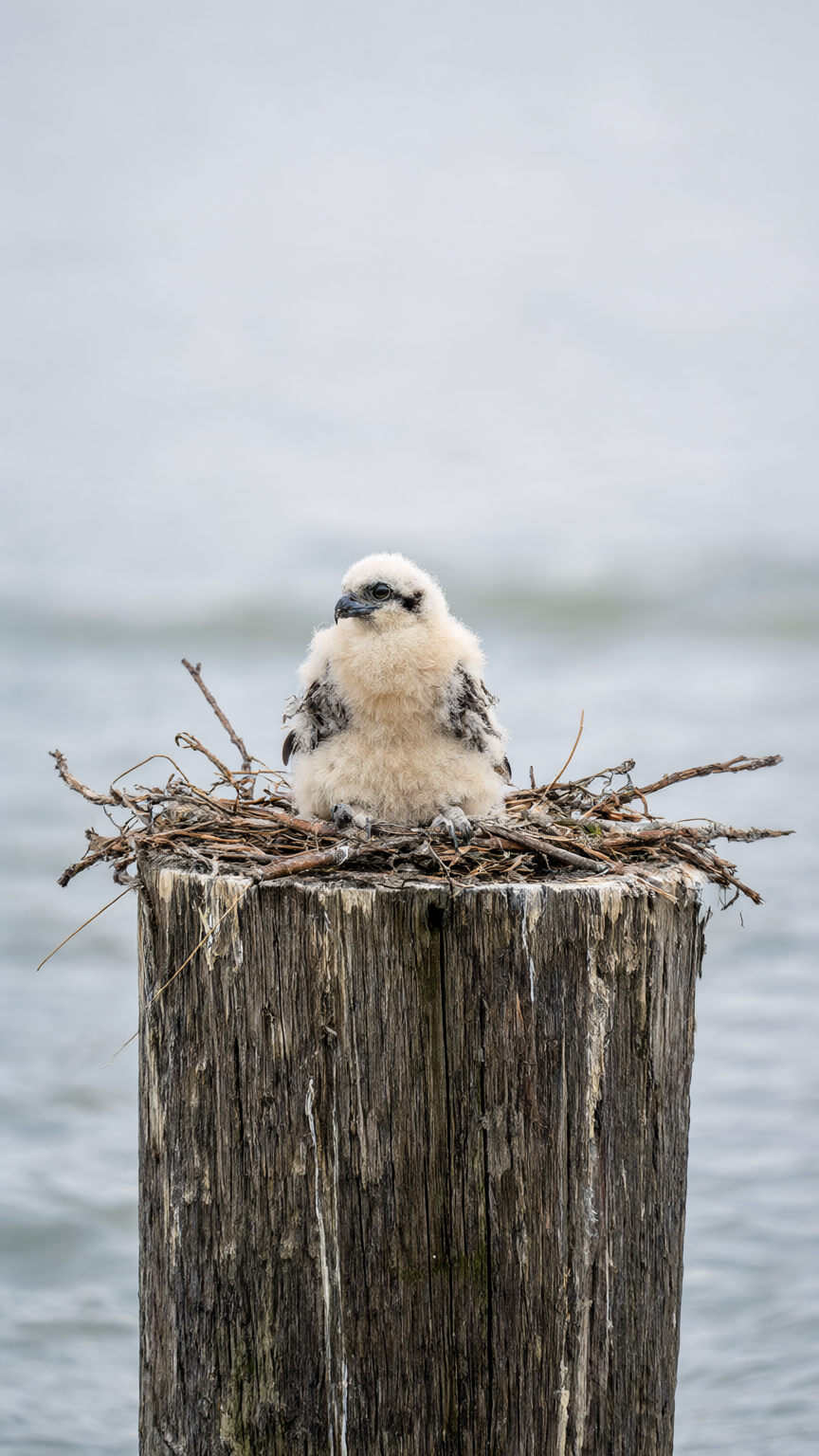
High above calm water, a fluffy osprey chick sits low in a stick nest balanced on a weathered wooden post. It looks like a small pile of pale down with a very serious dark eye, and it is clearly waiting for a parent to arrive with lunch. The channel below is quiet, but this nest is a front-row seat for some of the best fishing on the coast.
The fact: ospreys catch fish by diving feet-first into the water, and their feet have reversible outer toes and spiny pads that help them hold a slippery catch. They often carry the fish head-first to make it more aerodynamic. This chick has a lot to look forward to.
20. A Tiny Shell With Legs
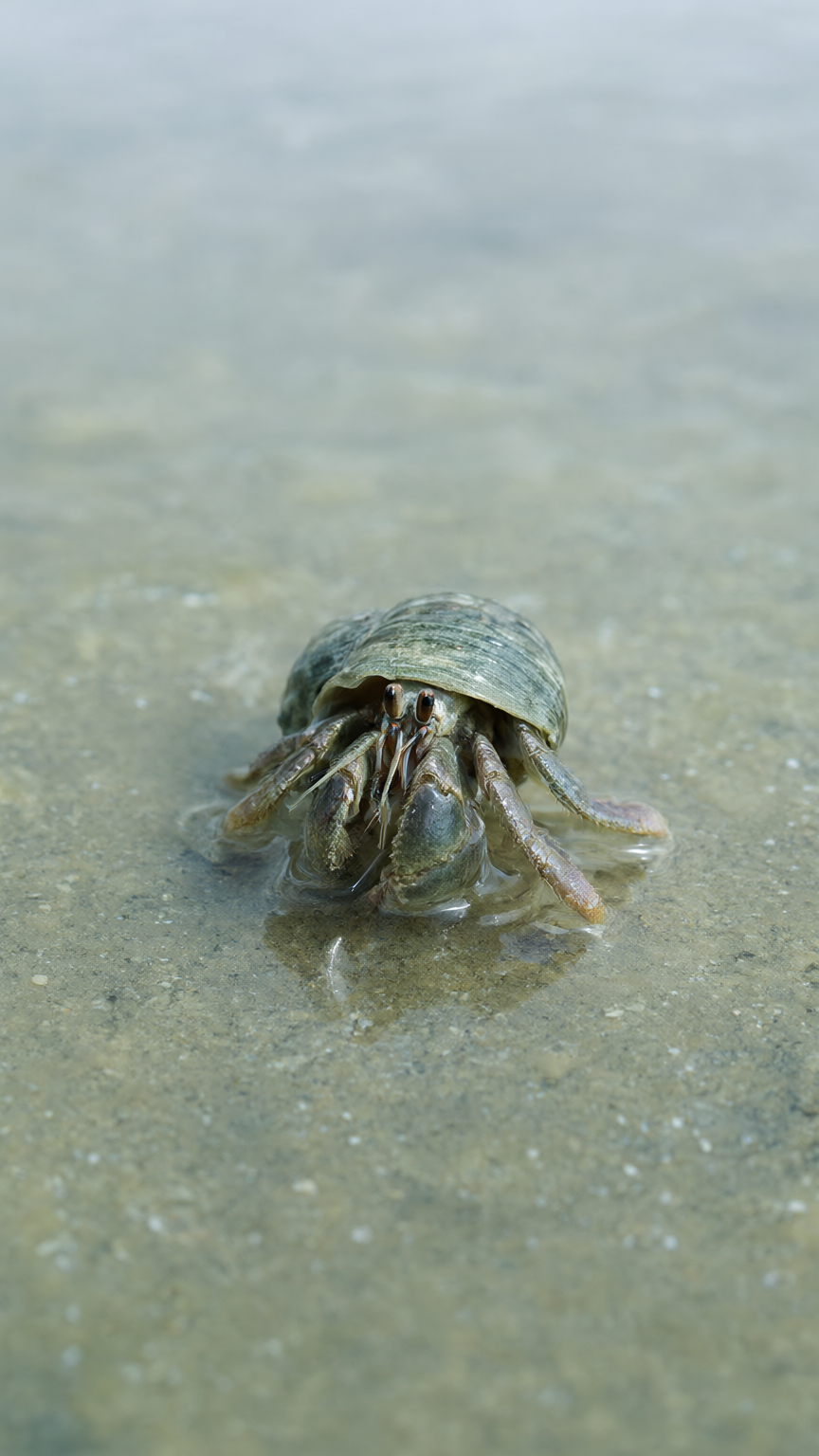
The last little one is a tiny hermit crab standing in a clear tidal pool, and it looks exactly like a shell that has grown legs. Its spiral home is wet grey-green, its small dark eyes peek out, and the fine sand below makes the pool look like a little stage. It is hard to imagine a more portable house.
The fact: hermit crabs live in empty snail shells and move into larger ones as they grow, sometimes lining up to swap shells when a bigger one becomes available. They are not true crabs, and their soft bodies need that borrowed armor. This one has found a fine little home for now.
The shore is a good place to end a slow scroll. Twenty tiny neighbors, twenty small reminders that the world is still full of soft, funny, patient things. Thank you for spending a few minutes with them. Keep an eye on the sand and the shallows wherever you go, and come back soon for the next gallery.