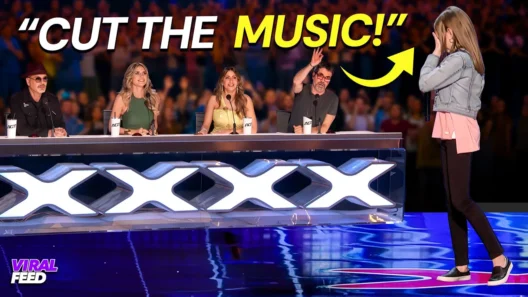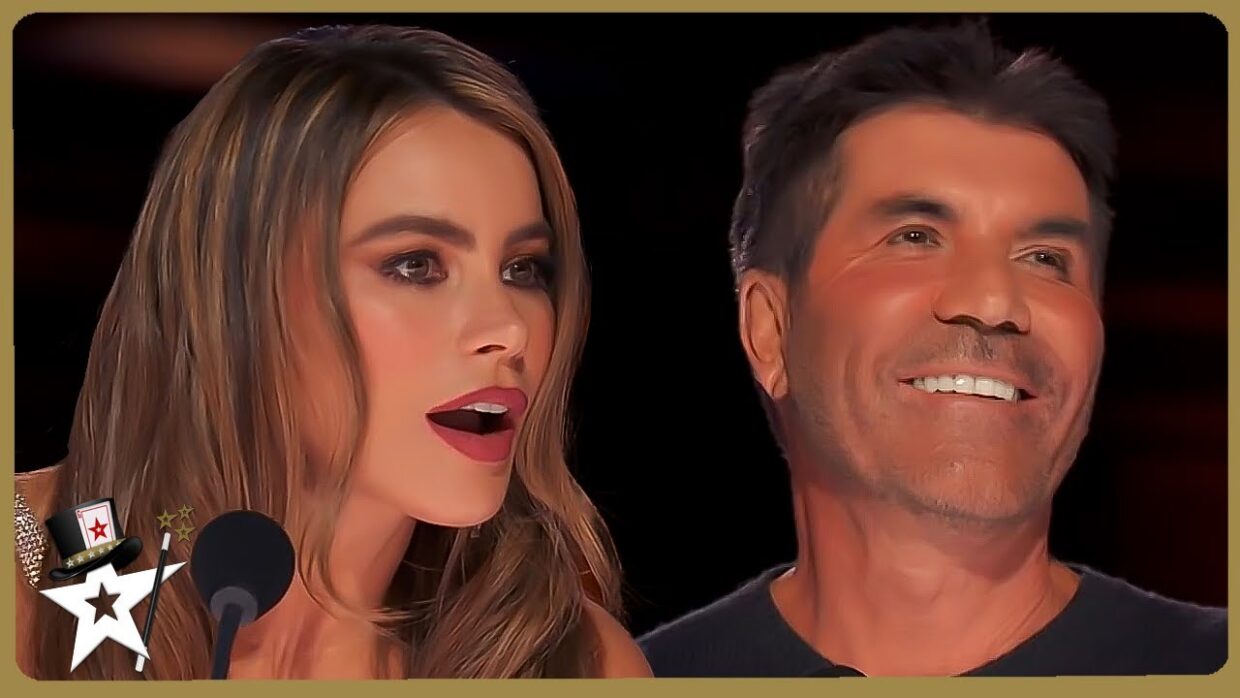
The lights shift to blues and purples, the crowd settles, and a small voice announces itself to a very big room. What follows is a parade of young performers turning disbelief into delight across the Got Talent stage. It’s a night where coins dissolve into thin air, bookmarked pages predict the future, and a toy wish list becomes the blueprint for a plot-twisting finale. Judges gasp. They wipe tears. And several times, someone says out loud what the audience is feeling: “I do believe in magic.”
Shoji’s coin, a breath, and pure confidence
“Hello,” chirps nine-year-old Shoji Narushi, a New Yorker with a tidy suit and a fearless grin. He is not here to sing. “I’m gonna be doing some magic.” He is also here for something else: “Maybe buy some tacos and maybe a dog,” he says when asked what he’d do with the million. A judge presses: was he born with magic powers? Shoji doesn’t blink. “Yes.”
He holds up his hands. Empty. Then he blows softly and an American quarter appears. He talks casually about reducing a coin to atoms and releasing it, and it becomes true in his hands: now you see it, now you don’t; now it’s gone, now it’s back on his palm. The patter is playful, the mechanics invisible. Cards follow. A judge says “Stop,” and Shoji lifts the queen of hearts. Another queen appears, hands cover, a breath of air—and the cards have traded places. “That was amazing, buddy,” comes the warm verdict from the panel. Simon Cowell beams and reaches for a comparison any nine-year-old might cling to forever: “I think you’re sort of like Harry Potter. You have magic powers.” Shoji absorbs it all with a nod as tidy as his sleights. He doesn’t gloat. He looks like a kid who already knows the next trick he’s going to learn.
Killian’s universe: from black hole to jelly beans
A boy in a brimmed hat arrives like he has walked out of a storybook. “When I grow up, I want to be a magician,” says 13-year-old Killian O’Connor from County Meath, Ireland. Then he tells a harder truth. “Before I had the magic, my social skills were very bad… I felt invisible.” He isn’t invisible now, not under these cameras and not with this voice. “I’ve learned that having autism is not a disability. It’s an ability.”
He begins with theater: “Sometimes everything is not quite as it seems,” he narrates over a sequence that reframes the stage as a universe, his universe. The room’s pulse shifts. A notepad appears, a flipbook of sweets. “Please say stop.” The choice lands: jelly beans. Boxes open at the desk to reveal a gift waiting inside each. Jelly beans, precisely the treat they named. It’s clever. Then he goes further, inviting a judge to guess the number of beans in the jar. “2,500,” the judge ventures, almost apologetically. A note emerges that was placed inside before the show. It reads the same: 2,500.
There is more. Earlier, he asked someone to think of a playing card. “Seven of diamonds,” comes the answer. A pack is spread. One card lies face up. It is, impossibly, the seven of diamonds. There’s a sudden sting in the eyes around the theater. “Why am I crying?… You make us cry,” a judge admits, laughing at themselves. “You are unbelievably talented. Seriously.” Another adds, “I do believe in magic,” and it sounds less like a platitude than a confession. Killian speaks again, quiet and proud: “Magic is my universe, and my life is now whole.” In that moment, the cards and sweets are props; the point is the boy who used them to find his place.
Ella’s bookmarks and a feather that knew its cue
Ella arrives with a schoolbag of ideas and a teacher’s dare. “My teacher, Mr. Neeland, sent me a challenge,” she explains, handing out inspiration cards to the judges and a well-worn book she loves. They slide cards into pages at random. Only one bookmark remains. The page is turned, and a single word on the right-hand side becomes their secret anchor.
Ella doesn’t grab for spectacle; she draws it in. “Using the power of real magic, let’s make what you’re thinking of a reality.” A feather appears where there should be none, then vanishes back into the book’s spine as if it were always written there. A light glows at the tip of her wand, then fades. Each beat is gentle, story-forward, and precise. One judge grins, “You were giving me Matilda vibes,” and the panel falls over itself with yeses. Another judge adds, almost sheepish, “People laugh at me when I say this, but I actually do believe in magic. People do have special powers, and I loved your whole presentation.” Ella smiles like a kid who just got called in from the playground and told the grown-ups want to see it again.
The chainsaw that decided a vote
Comedy crashes the mood next. A magician with a builder’s swagger promises something “never done on British television before,” then invites judge Amanda up to the stage. He reveals a long, homemade box. It looks like a prop constructed in a garage. It is. With a flurry of “Lean back… a bit more… perfect,” he secures Amanda inside, her arm sliding out to assure the audience that yes, she’s really in there. He reaches for his “very special magic wand” and produces a roaring chainsaw.
There’s the whine of the blade. The crowd squeals. And then he cuts. A beat later: “Could you give your legs a wiggle for me, Amanda? These are your legs.” The feet at the far end of the box dutifully dance. His timing is as sharp as the illusion. Before reassembly, he asks the night’s cheekiest question: “Is it a yes or is it a no?” She laughs, because what else can you do midway between your own two halves, and declares, “It’s a yes for me.” Moments later she emerges whole, wobbly with relief and amusement, and the performer bows like a guy who knows he just got the moment he built that box for.
A father, a list, and a picture worth a million guesses
The final act is softer around the edges. A father sets a cloth over something “really special” and explains that his children have grown up watching magic at home. “About a year ago, my little boy Dylan told me that he wants to become a magician too,” he says. Dylan had an idea for this very audition, and Dad is now its onstage caretaker.
“Dylan has given me a list of different things that he would like for his birthday,” he continues. The list holds 56 items. A judge calls a number: “25.” The performer scrolls to the list on his phone and asks the judge to remember what’s beside that number. Not out loud. Keep it secret, keep it safe. Then he reaches for cards. Another judge selects one—“the five of hearts”—and writes a name thick across it. “Eric,” the judge says, smiling at the thought of his son. The card is sandwiched between palms. It’s there until it isn’t. “It’s gone,” the magician says, and the hands open to prove him right.
The solution is nowhere obvious, because the solution isn’t a solution. It’s a story. “It’s in here,” he says at last, and the cloth lifts. What appears is not a deck or a box or a wallet. It’s a picture—Simon and Eric together, waves behind them, a jet ski cutting the water. Another reveal follows: a child’s drawing of the same image, lines and colors from small hands. The room breathes out as the pieces click. The birthday wish, the chosen number, the vanished card signed with the son’s name—all of it funnels into a single, personal image that could only land this way in this room.
What lingers isn’t method. It’s meaning. The act binds a father’s craft and a child’s imagination to a judge’s most important relationship. Somewhere backstage, a small boy named Dylan knows his idea worked. In the seats, a father named Simon sees his own boy’s name woven into a trick that feels less like a puzzle and more like a postcard from a future summer.
Belief, borrowed for a night—and given back
That’s what threads these auditions together. Shoji arrives certain he has powers and, for a few minutes, everyone else borrows that certainty. Killian invites us into a universe where autism is not a wall but a doorway. Ella opens a book and finds the word the room is thinking. A comedian revs a chainsaw and reminds us that fear plus laughter equals awe. A father lets his son’s idea become a memory other sons and fathers might recognize.
Judges who have seen it all find themselves surprised into sincerity. They call a nine-year-old “as good as the people that we see who are twice or three times as old.” They confess belief. They cry a little. “You are a little superstar,” one tells a boy who needed magic to find his voice. Another, staring at a jar of exact numbers and a single face-up card, just says “Wonderful,” because sometimes that’s all you can say.
Magic on television often lives or dies on shock value, but the best moments here aren’t only about shocks. They’re about clarity. A coin appears because a child says it will. A word appears because a story led you there. A picture appears because a family wanted to show you something true. It’s easy to be cynical about tricks. It’s harder to be cynical when a stage full of kids use them to say, simply, “Look.”
By the end, the room is lighter. Real life, as one host jokes backstage, is good. If you’ve ever needed a reminder that wonder can be taught, practiced, and shared—by a nine-year-old from New York, a teenager from County Meath, a schoolgirl with a feather, a comedian with a chainsaw, and a dad holding a secret under a cloth—this is your invitation. Watch the full performance and let yourself believe for a while.