The room starts with a promise: who is ready to see the new product? The strangers in the seats were paid $70 to stay, but the presenters already know the pitch is built to fall apart. Each product is a small insult to common sense, and each one gets a yes or no from the audience. The presenters keep score. If a presenter laughs, they lose a hand from the final total. The whole thing is a test of how much nonsense a paying crowd will absorb before it stops pretending to be an investor meeting.
The first product is a baby with a mission
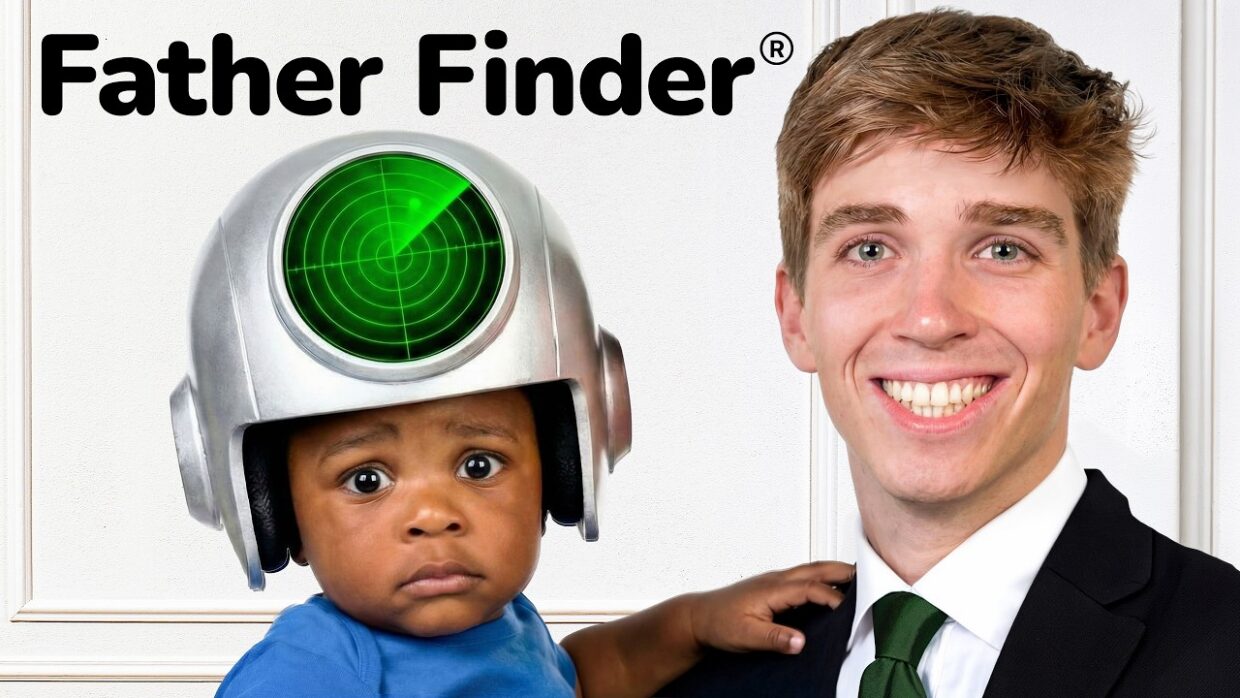
The first pitch is the Father Finder. The baby will crawl miles, tracking the father’s DNA like a heat-seeking missile, so mom can finally relax while the infant drags the deadbeat dad home. The audience reacts fast. One stranger says the baby can’t do that. Another worries the pitch looks targeted at Black families. The presenters pivot to a white family, then ask for a yes or no. The product is already bad, but the room is still listening.
Ethnic pregnancy tests become a culture test
The next product is an ethnic pregnancy test for future parents, pitched while birth rates fall. The Chinese edition says if a Rubik’s cube comes out solved, you are pregnant. If it takes more than a minute, the kid might be slow. The Vietnamese edition says if nails come out with a full manicure, you are pregnant, and the presenters add that it could also mean the kid might be gay. The Jewish edition says if stocks are up when you pull your phone out, you are pregnant. The room calls it racist. The presenters rename it a culture test, and the audience accepts the change with a shrug. The product is the same, but the label is softer.
ThoughtBlock watches the daughter’s outfit
ThoughtBlock detects inappropriate outfits instantly. The pitch imagines a daughter walking through the door in a disapproved outfit, then an alarm sounds. The presenters mention the gay Santa daughter combo, which lands with a mix of laughter and discomfort. One stranger says everyone in school wears what she was wearing before. The presenters force a moment of awkwardness: one presenter must look at another and say, between you and me, your daughter looked way sexier in the first outfit. The audience votes no, but the line sticks.
The women’s Olympics gets a new schedule
The next pitch is a fresh take on sports entertainment: a women’s Olympics with events people will watch. The logo is a bunch of pink holes, which the presenters say represents women pretty well. The events include dishwashing speed trials, the ultimate fold off, and a timed mop relay. One presenter points at a woman in the room and says, I’ll hit that, then tries to erase the line. The main events, according to the presenters, are cooking, slurping, and gardening. The room laughs, but the pitch keeps moving.
Gaydar scans the kid before the awkward talk
The Gaydar is a point-and-scan device that tells parents what their kids want. The pitch says it takes a few seconds, with no awkward talks or therapy bills needed. A positive result means cut the losses early and save on college funds. One stranger says she would never scan her kid because it doesn’t matter. Another asks if the device can evaluate men, too. The presenters push for a yes, but the room says no. The product is too blunt, and the audience knows it.
A browser sponsor gets the only clean pitch
Between products, the presenters thank Opera GX for sponsoring the video. The browser is pitched as a tool for people who want full control of their internet browsing. The presenters mention GX Mods, custom sounds, animated wallpapers, and a panic button that hides everything when someone walks in. The joke is that the feed the presenter was looking at is gone. The sponsor slot is the only part of the deck that sounds like a real product, which makes the rest of the pitch feel even more absurd.
FunBnB books the places you would not choose
FunBnB is a booking app for adrenaline-pumping stays. One listing is a house where a triple murder took place last week, so everything is fresh. Another is a tropical stay on Epstein’s Island, which the presenters book out for the next month. The pitch also recreates the September 11 experience. One stranger says first responders might take this a little wrong. The room votes no, but one person says Epstein’s Island is cool. The product survives on the strength of one very specific location.
First date glasses show the body count
The first date glasses let a person point at a date and see the truth before buying dinner. The glasses show real weight, face without makeup, how she will look in ten years, and actual body count. One presenter says if she is not one eighty, she is not a real lady. Another says the body count is 104. The presenters ask if the glasses can evaluate men, too, and the room says no. One presenter says he wishes he had his glasses right now because there are a lot of baddies in the crowd. The audience votes yes, mostly from the men in the room.
The race detector asks what happens with mixed people
The race detector is built for cops, who deal with a lot these days. The pitch says it helps identify suspects by matching a description. One presenter explains that it is not used willy-nilly, only for specific matters. The room asks what happens if the suspect is mixed. The presenters say the detector will pick up white slash black or black slash white. Another asks how it handles someone who was in the sun too long. The audience says no. Cops should not have this. The product dies under the weight of its own premise.
PeeWee Parley turns youth soccer into a betting market
PeeWee Parley is the future of sports betting, but the games are youth soccer. One presenter says he bet on little Timmy picking eight flowers instead of chasing the ball, and Timmy hit 12 by halftime. Another says he bet big on someone streaking his son’s soccer game and made sure he won. A presenter is told to say he bet a thousand dollars on a pantsless streaker next week. The room laughs, but the pitch keeps the money where the mouth is. The audience raises hands to invest, and the count lands on 11.
The deck keeps getting stranger
The later products move from family life to money, romance, and punishment. A watch counts down to your inheritance. A dating app for people with Down syndrome charges normal people to join. A robot girlfriend has auto consent. Wigs are made from extra hair. A gift app gives women something gross. A martial art called jiu jitsu is pitched as the martial art of money. A mystery punishment can end with your family disowning you. The presenters keep the pace quick, because the room is still paying attention, even when the products stop making sense.
The final vote is a small mercy
At the end, the strangers are asked to raise their hands if they would invest in the company. The count comes to 11. The presenters thank the room, then turn to the audience and explain the score. The pitch was never meant to be a real sales meeting. It was a controlled experiment in how much bad logic, bad timing, and bad taste a group of strangers will sit through before they stop pretending. The products are ridiculous, but the reactions are real. The video works because the presenters keep pushing, the strangers keep answering, and the room keeps laughing at the exact moment the pitch should have died.
Watch the full pitch to see how the presenters handle the race detector, how the audience votes on Epstein’s Island, and how the final score turns a bad presentation into a shared joke.