Some nights dinner needs a little more life, and the answer is usually already in your spice drawer. A pinch of cumin in a pot of beans, a shower of dill over potatoes, smoked paprika on roasted chicken — herbs and spices are the easiest way to make everyday cooking taste like a treat. And the good news is that you don’t need fancy equipment or a mile-long ingredient list. You just need a few simple habits: know how much to use, when to add it, and which flavors belong together. Whether you’re cooking a cozy fall dinner or a quick summer salad, these basics work all year round.
Why Dried Herbs Are Stronger Than You Think
Because dried herbs have had their water removed, all of their flavor is packed into a much smaller space. A good rule of thumb: 1 teaspoon of dried herbs equals about 1 tablespoon of chopped fresh herbs. So if a recipe calls for a tablespoon of fresh basil and all you have is the dried jar, use a teaspoon and call it a day. The same math works in reverse when you’re using up a bunch of fresh parsley or dill.
Timing matters just as much as the amount. Dried herbs need a little time and moisture to soften and spread their flavor through a dish, so add them early — with the onions, into the sauce, or along with the beans when they start simmering. Fresh herbs are the opposite: their bright, leafy flavor fades fast, so stir them in at the end or scatter them over the top right before serving. Those two habits alone will improve your cooking more than any new gadget.
Bloom Ground Spices in Oil for 30 Seconds
If you want more flavor from the spice jar, warm it up first. Ground spices like cumin, chili powder, and smoked paprika carry flavor that heat and fat help release. The trick is called blooming: put a little oil in a pan over gentle heat, add the spices, and stir for about 30 seconds — just until they smell toasty and fragrant — then carry on with the recipe.
Two things to keep in mind. First, keep the heat gentle; burnt spices turn bitter in a hurry. Second, have your next ingredients ready before you start, because 30 seconds goes by fast. If you’re making a soup, stew, or chili, bloom the spices before the liquid goes in. That half-minute step is often the difference between a decent dinner and one you’ll want to make again next week.
6 Herb and Spice Pairings That Always Work
Some combinations have been earned over generations of home cooking. These six are a great place to start:
- Basil + tomatoes — a classic for caprese, pasta sauce, and simple tomato salads.
- Cumin + beans — the warm backbone of chili, black beans, and refried beans.
- Dill + potatoes — try it in potato salad, roasted potatoes, or a cozy potato soup.
- Dill + fish — especially salmon, with a squeeze of lemon on top.
- Smoked paprika + eggs — scrambled, deviled, or folded into a frittata.
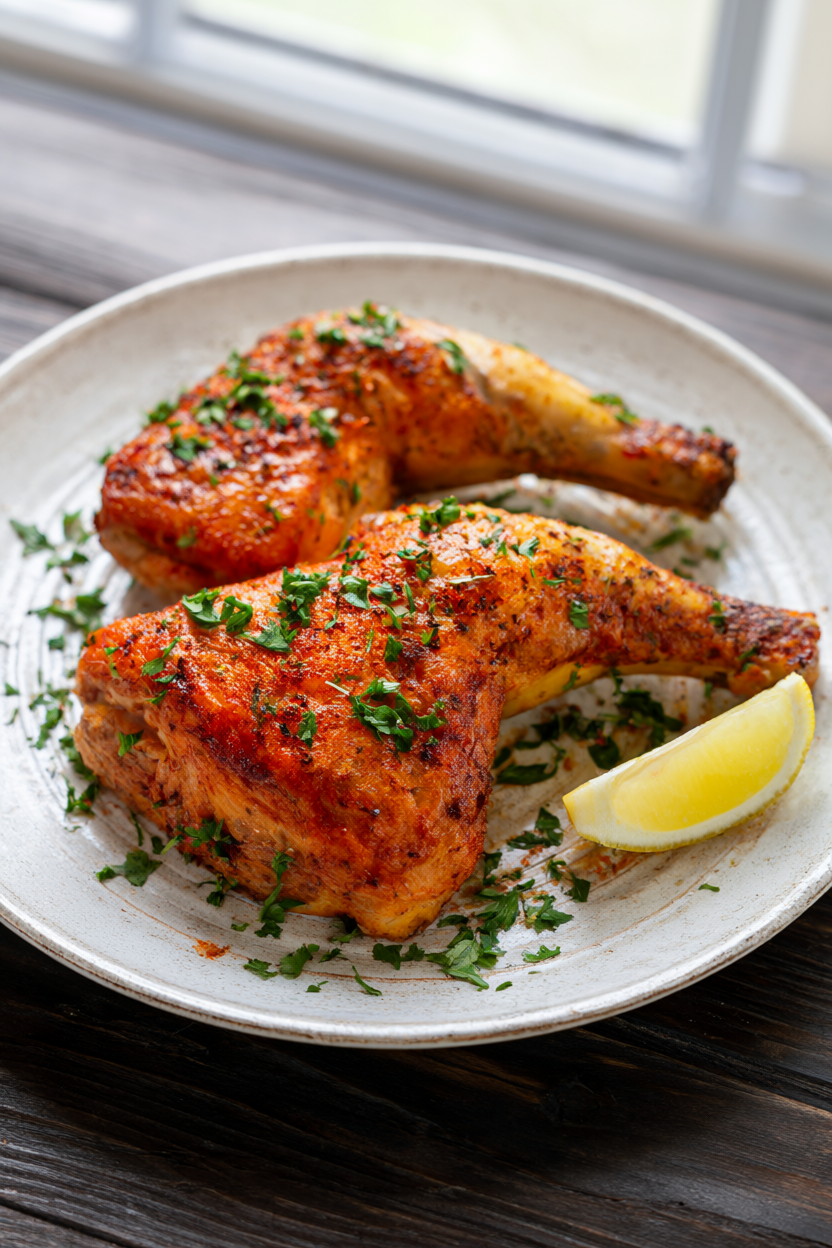
- Smoked paprika + chicken — roasted, grilled, or tossed into a sheet-pan dinner.
These are starting points, not rules. Once you notice how they work, you can start swapping and experimenting with confidence.
Layer Spices for Better Flavor (and a Starter Set)
Good flavor usually comes in layers. Season at the start of cooking to build a base, taste near the end, and adjust. Then finish with a splash of lemon juice or vinegar — a little acidity wakes everything up and helps the other flavors taste more like themselves. If a dish tastes flat, it’s often missing brightness rather than salt.
If you’re building your spice collection, keep it small and useful. Garlic powder, cumin, chili powder, smoked paprika, and dried oregano cover a surprising amount of ground: tacos, roasted vegetables, soups, eggs, and chicken all become easy weeknight options. When you try a new spice, start with a small pinch, taste as you go, and adjust next time. Your own palate is the best guide you have.
Really, that’s all there is to it. Keep a small set of spices you actually reach for, add dried herbs early and fresh herbs late, bloom ground spices when you can, and trust a few classic pairings. Dinner tonight is the perfect place to practice — start with a pinch.