There was a particular kind of morning back then, when you woke to a hush so deep it felt like the house itself was holding its breath. The radio crackled with school closings, the driveway disappeared under a smooth white blanket, and suddenly the whole day belonged to you. No schedules, no place to be, just a warm kitchen and a world gone quiet.
What we remember most is not the snowman or the sledding hill. It is the small things waiting just inside the door: boots in a puddle, mittens steaming on the radiator, a pot of cocoa bubbling on the stove. Little scenes like these were the scenery of a snow day, the props of a childhood winter.
So pour something warm and walk through this gallery slowly. For each photo, ask yourself one question: did we have this in our house? Count how many you recognize, and see which one takes you straight back to being eight years old again.
All photos in this gallery are AI-generated illustrations.
1. The Boots That Found Their Way Home
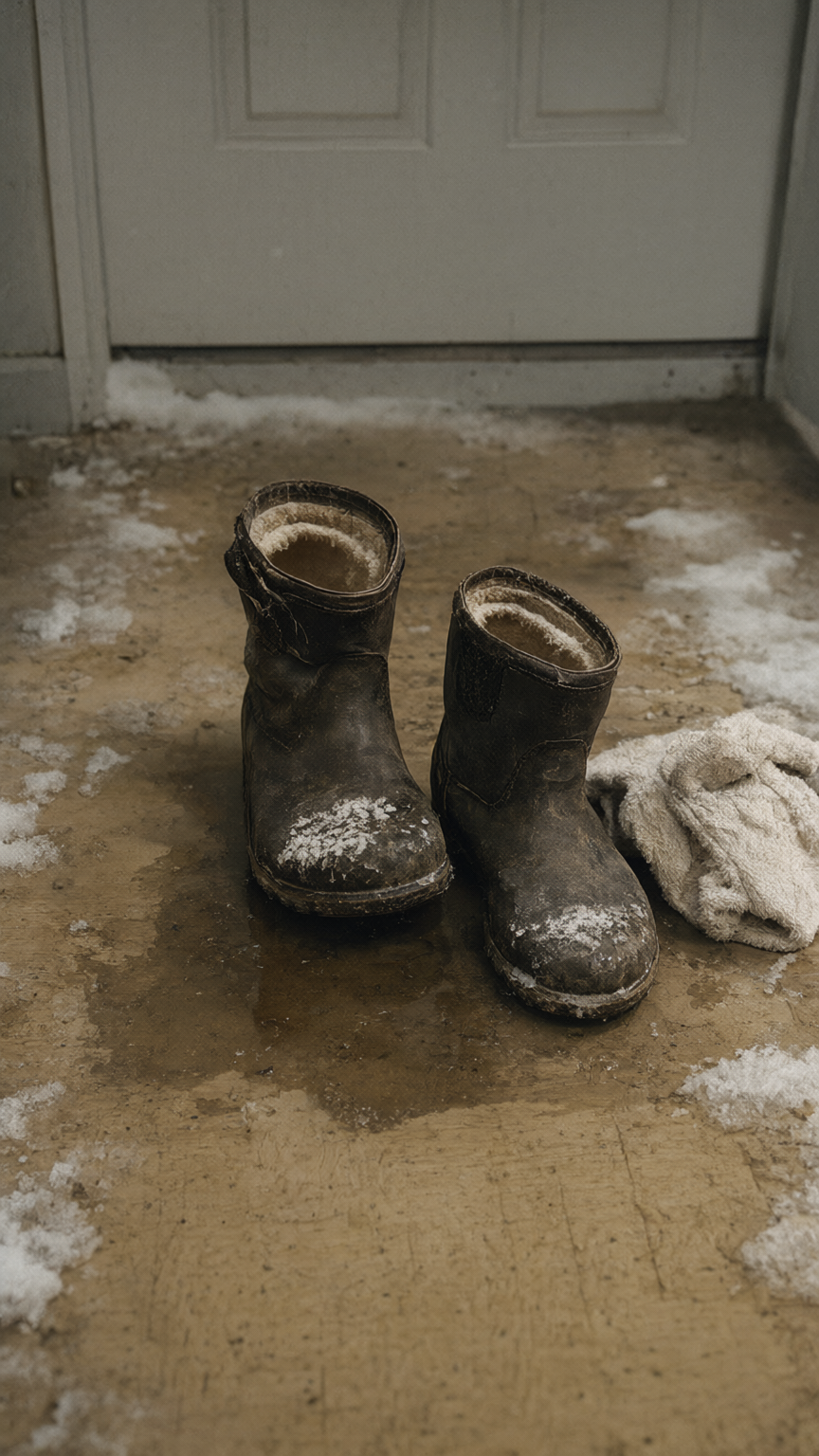
You came in through the back door with snow down your collar and your fingers burning, and the first job was always the boots. They got kicked off right there, tipped and wobbling, and by lunchtime a little lake had spread across the linoleum. Mom kept a towel by the door and a rule to go with it: boots on the mat, snow stays outside.
Rubber boots worked because rubber simply does not let water through, so the puddle under them was really the whole outdoors, dropped on the kitchen floor in a heap. The salt stains on the toes were a souvenir of every sidewalk between home and school. Did your boots leave a puddle by the door too?
2. Where The Wet Wool Went To Dry
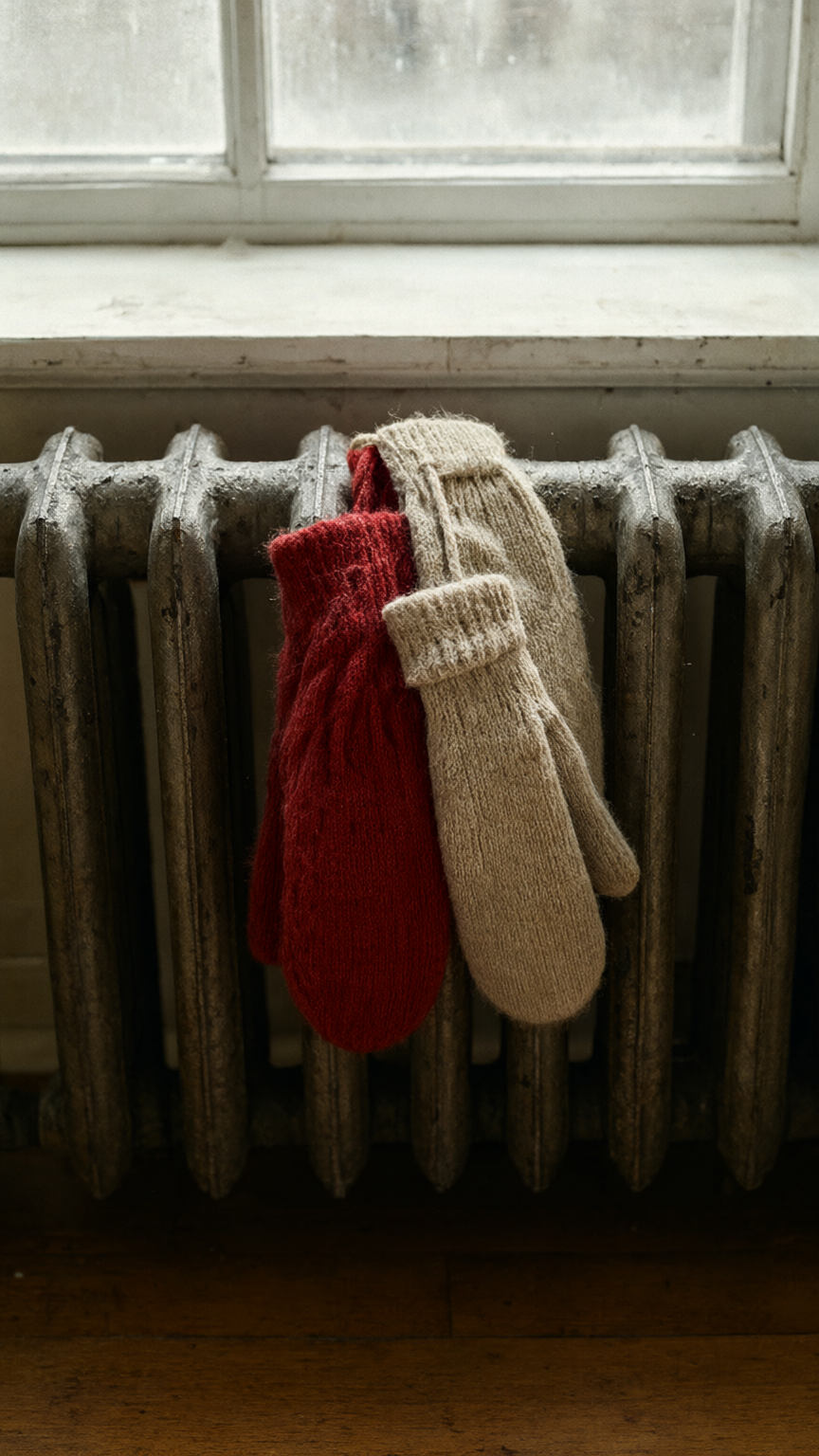
The mittens always went on the radiator first, spread out like two small creatures sunning themselves. One red, one oatmeal, both stiff with damp wool. The radiator ticked and clanked as it heated, and slowly the wool began to steam. By afternoon they were crisp and warm, smelling faintly of wet sheep and woodsmoke, ready for round two outside.
Wool is one of the few fibers that still traps warmth even when it is damp, which is why knitted mittens were the winter handwear of choice long before fancy synthetics came along. The radiator did the rest. Were yours ever so wet they left marks on the metal?
3. Two Warm Layers By The Door
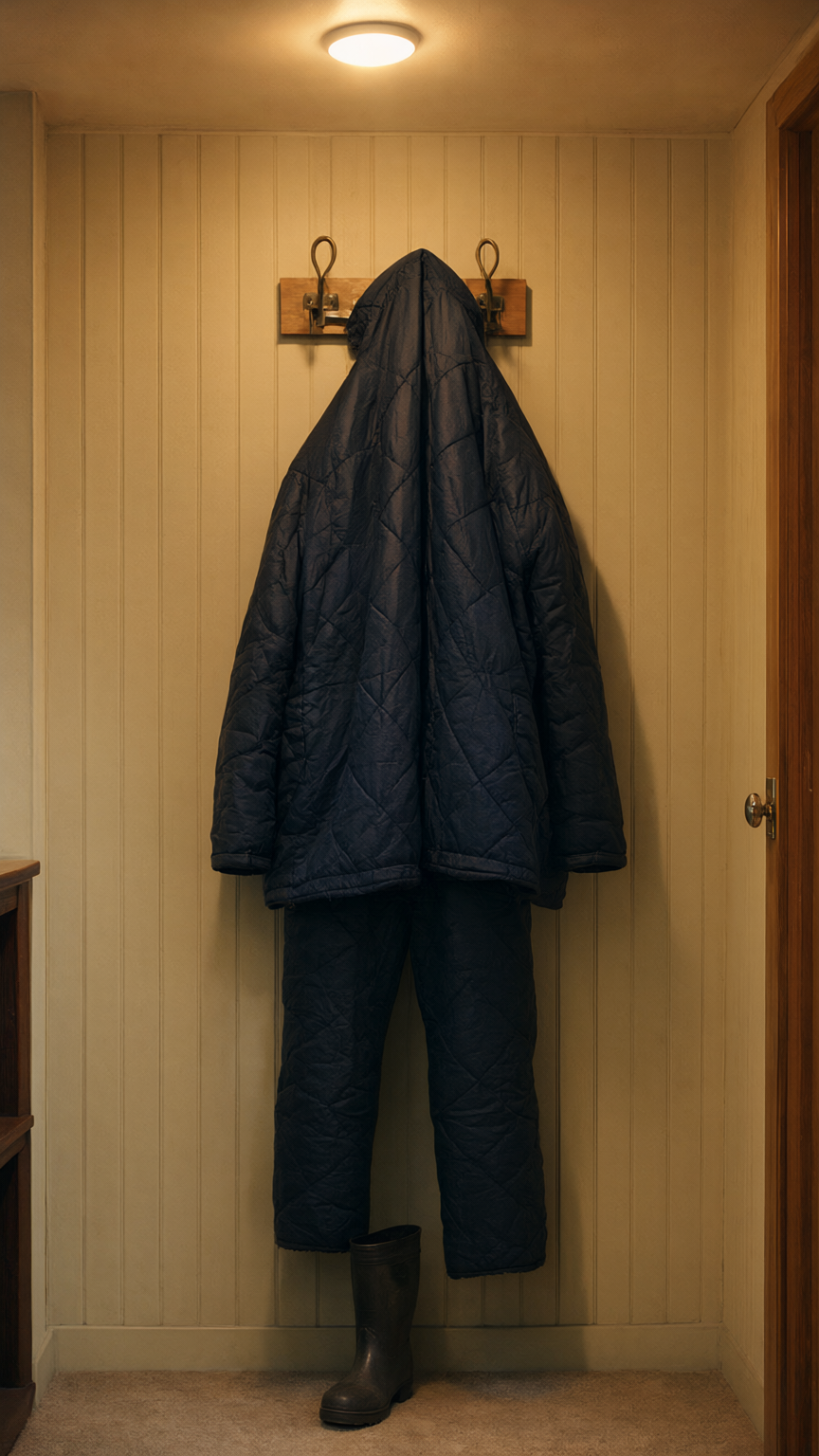
The mudroom smelled like cold rubber and wet nylon. The parka hung on its hook with the hood still shaped like your head, and the snow pants sagged beside it, stiff at the knees from a morning of kneeling in drifts. One boot had fallen off the rack again. The whole wall looked like a person who had simply melted out of their clothes and gone inside for lunch.
Quilted parkas worked because the stitching held the insulation in place, keeping it from bunching into cold spots at the shoulders and knees. Every winter morning began with the same wrestling match: arms in, hood up, zipper to the chin. Did your snow pants stand up by themselves after a day outside?
4. The Tool That Did The Heavy Work
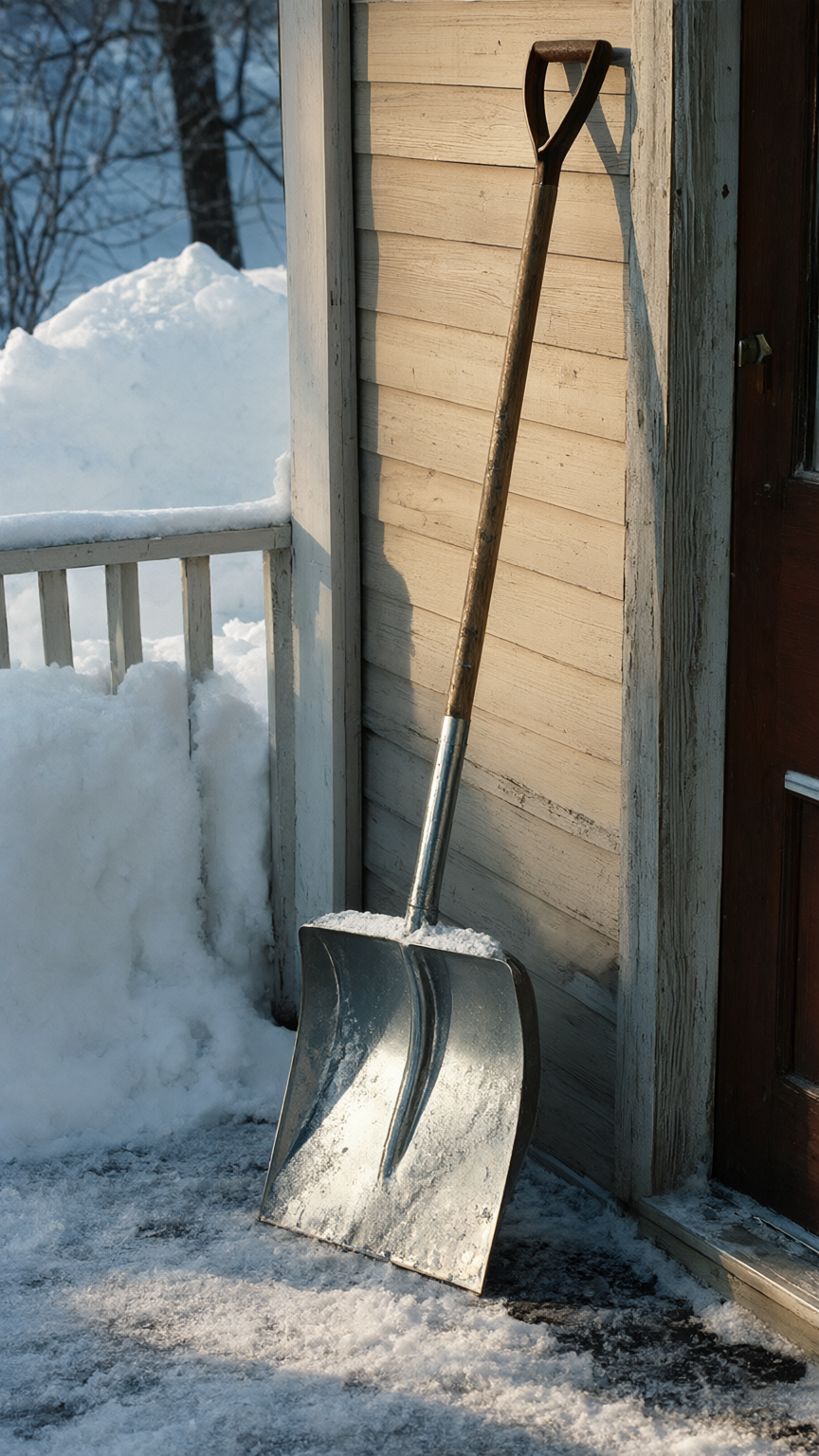
The shovel lived on the porch all winter, leaning by the door like a patient friend. Its handle was worn smooth in the middle where Dad’s hands had gripped it a thousand times, and the blade wore a thin skin of snow. You could hear the scrape before you saw him, that long hiss and thump, hiss and thump, clearing a path inch by inch.
Aluminum shovels became the standard because the metal is light and does not rust, so it could be lifted again and again without wearing a person out. The wooden handle was there to keep hands off the cold metal. Did the scrape of a shovel on the walk ever wake you before school was even canceled?
5. Ready Before The Engine Warmed
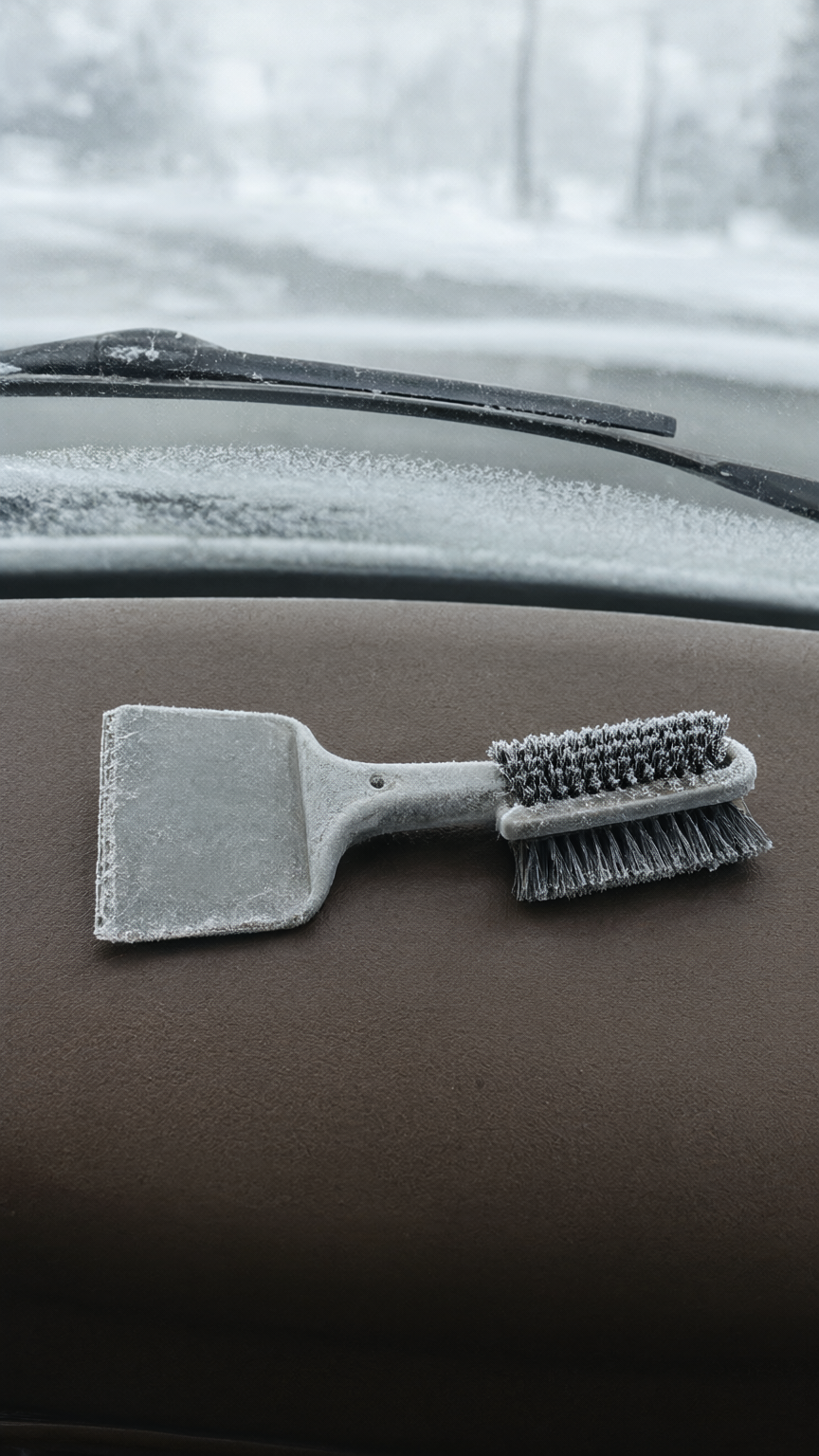
The car sat in the driveway ticking and shivering while Dad scraped the windshield, the plastic blade chattering across the glass. You sat inside with your breath fogging the side window and watched the world slowly appear, first a smear, then the street, then the whole white morning. The scraper lived on the dashboard the rest of the year, forgotten until the next cold snap.
Frost forms when the windshield cools faster than the air around it, so moisture in the air freezes straight onto the glass in feathery patterns. Scraping works because the plastic is softer than glass and hard enough to lift the ice. Did your family keep the scraper in the same spot all winter?
6. A Little Warmth Left On The Post
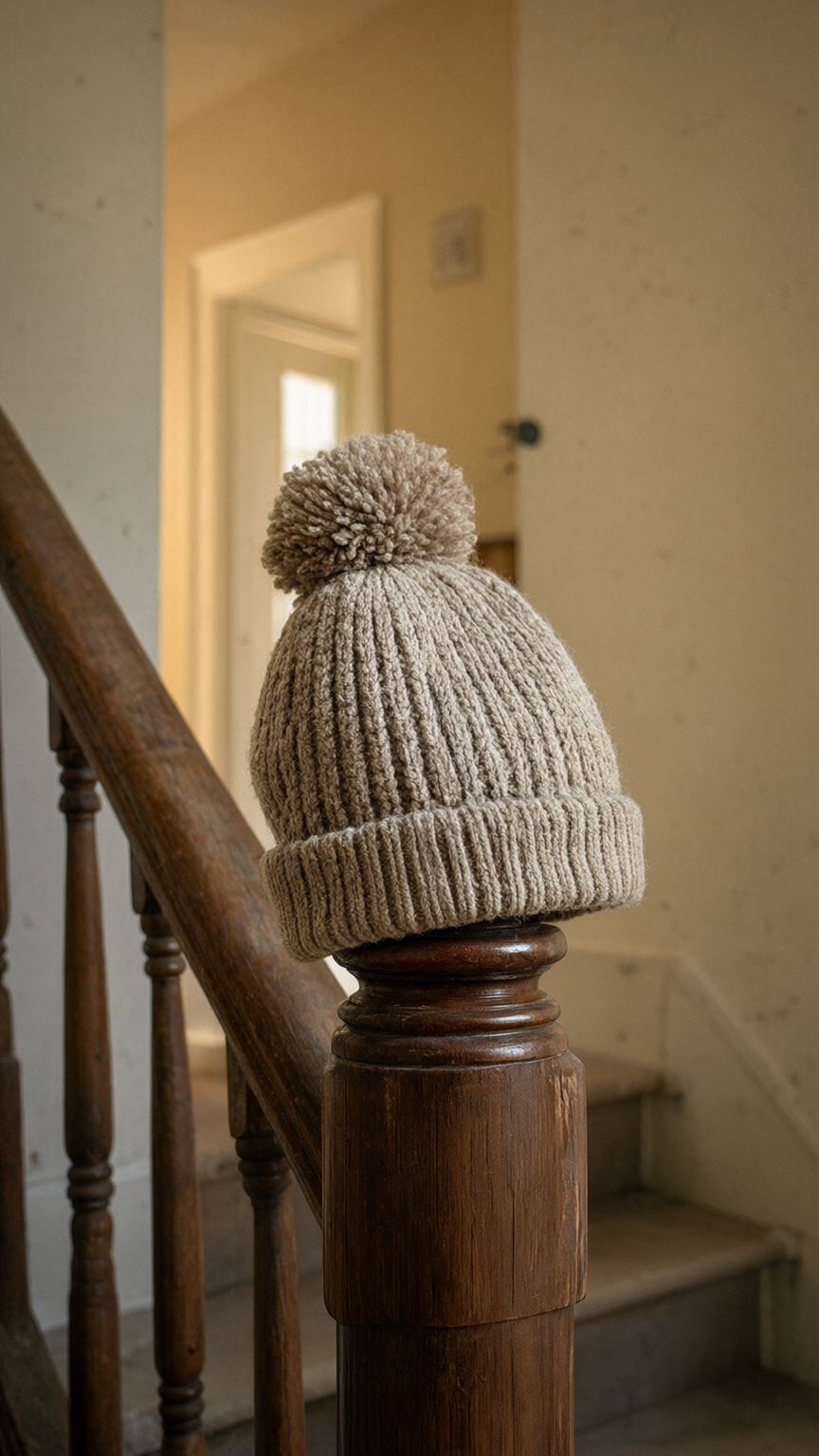
The stair post was the unofficial lost and found. A pompom hat sat there for days, its cuff folded twice, waiting for someone to remember it. You ran past it a dozen times a day, up for socks, down for cocoa, and it stayed put on the round wooden top like a small knitted crown. Eventually someone claimed it, or Mom wore it herself.
Wool hats work by trapping a layer of warm air close to the head, which is why a good knit can feel warmer than a much thicker synthetic one. The pompom was pure decoration, but somehow the hat never looked right without it. Did your house have a spot where lost hats piled up until spring?
7. The Pot Everyone Gathered Around
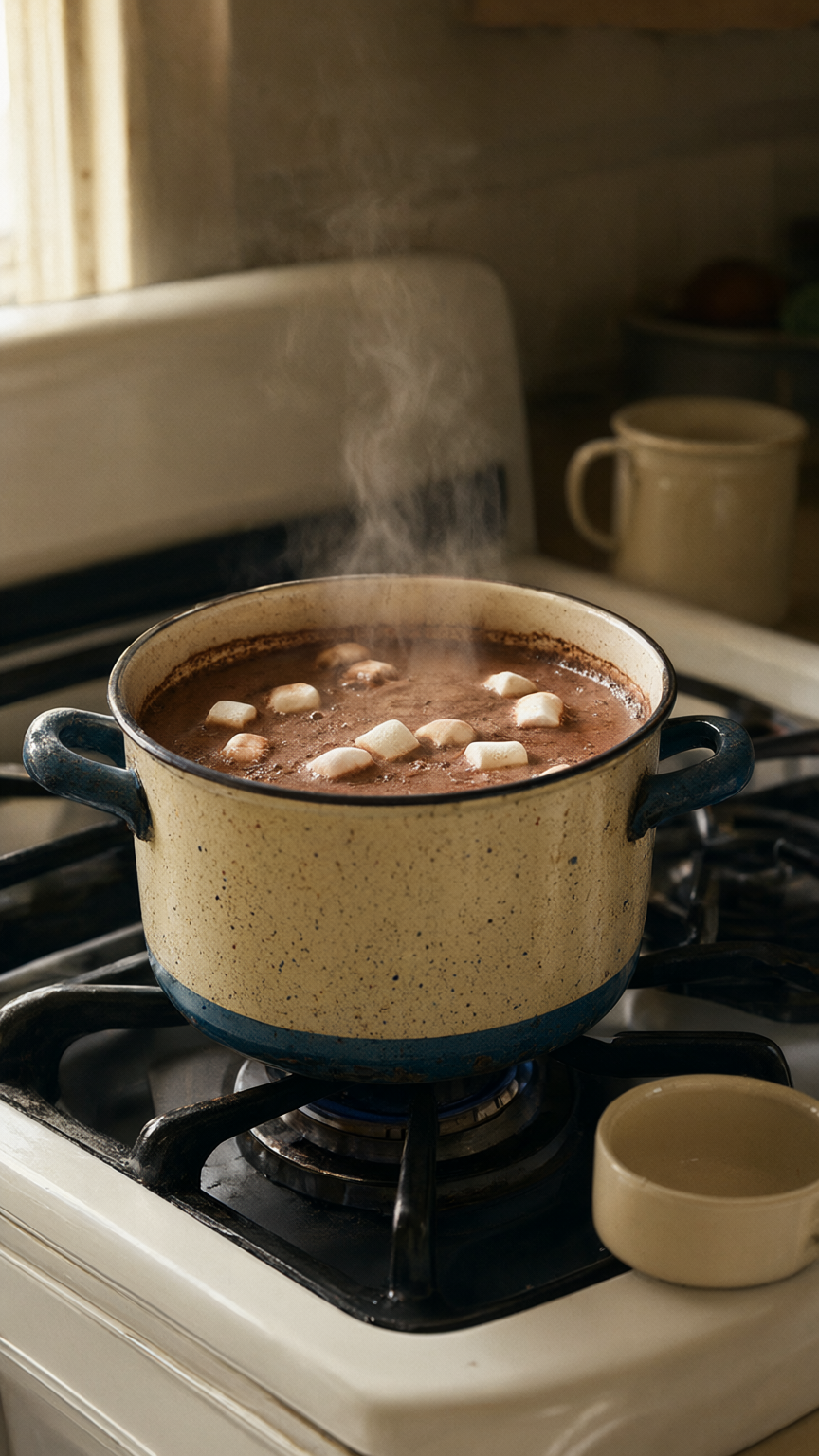
The pot went on the stove before the boots came off. Milk, cocoa, a pinch of salt, and a slow stir while the kitchen windows fogged up. The marshmallows went in at the end and puffed into soft white islands, and everyone crowded around the stove with a mug, waiting for the first ladle. That smell was the official smell of a day off.
Hot cocoa feels comforting partly because warm liquid and sugar give the body quick warmth and energy after coming in from the cold. The enamel pot was a staple because enamel over steel heats evenly and is easy to clean. Did your family use the same pot every snow day, or was there a special one just for cocoa?
8. Toasting Above The Hallway Floor
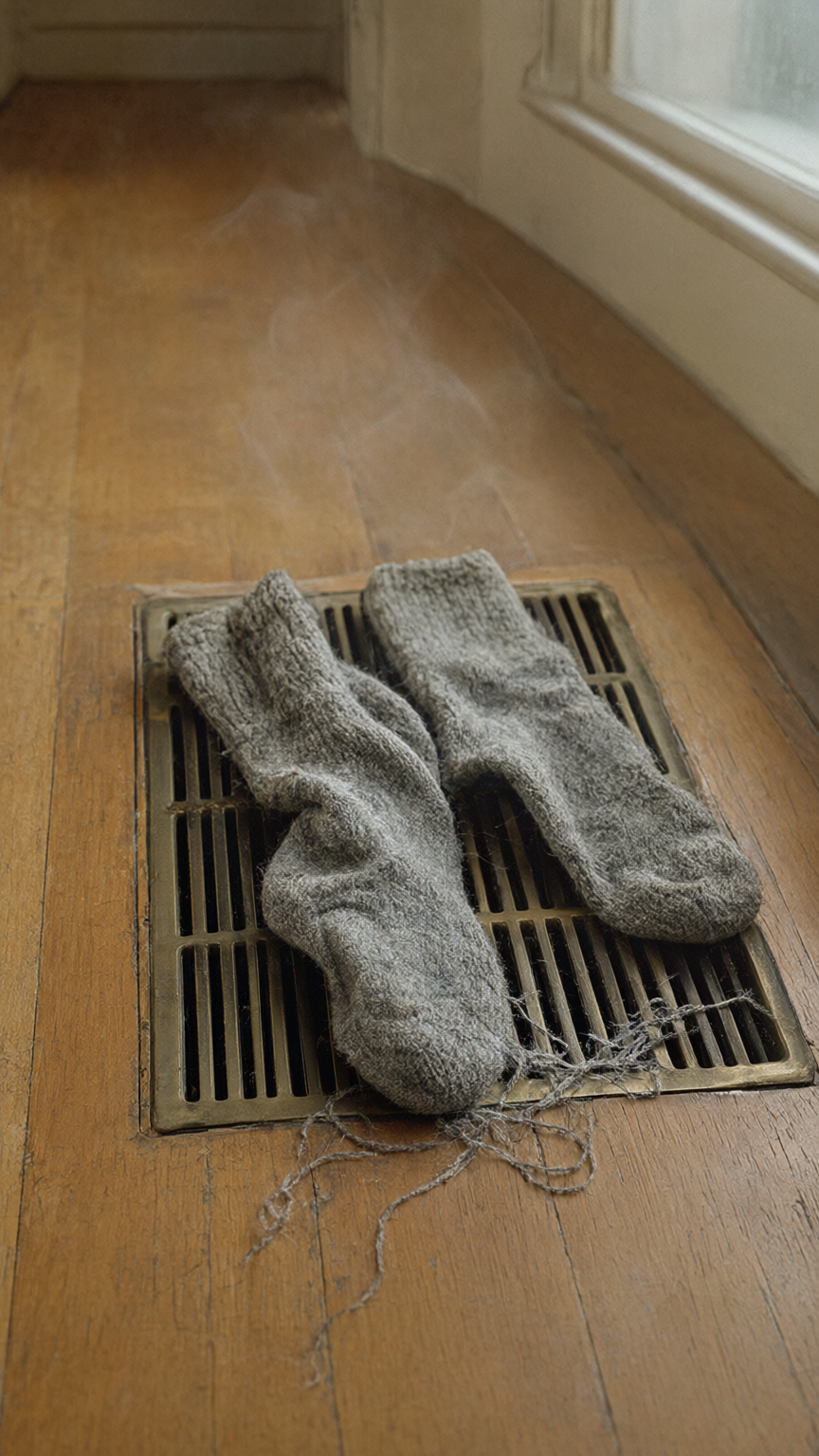
The floor register in the hallway was the warmest square foot in the house. Wet socks went on top of it and slowly stiffened as they dried, toes hanging through the slots, threads lifting in the warm draft. You could stand over it in bare feet and feel the heat roll up your pajama legs. On really cold nights, everyone fought for that spot.
Forced-air heat rises through floor registers because warm air is lighter than cool air, so the same grate that dried socks also made a small private sauna for cold toes. Wool socks dried faster there than anywhere else in the house. Did your family have one register everyone hovered over?
9. A Window Full Of Winter Art
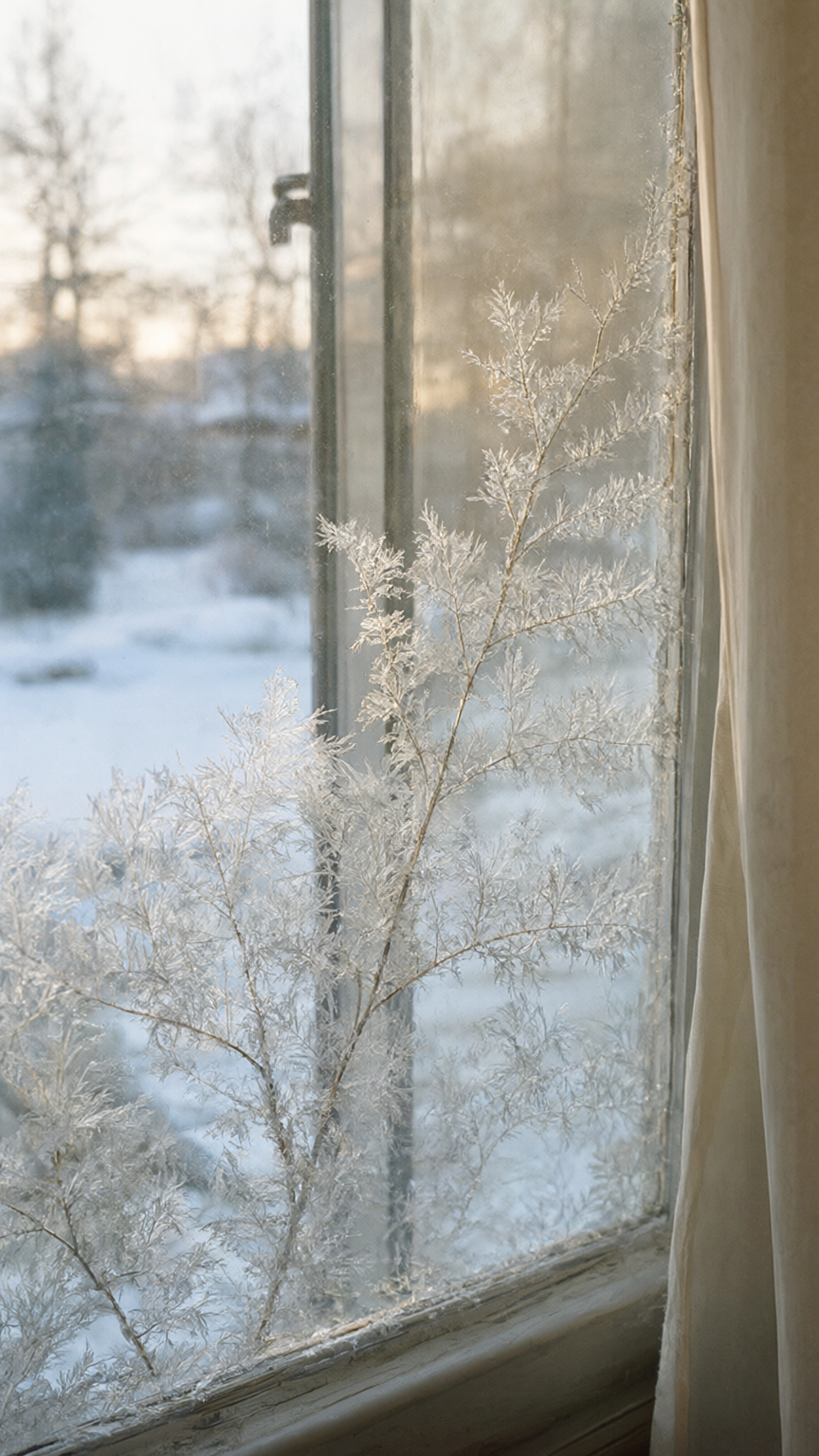
Some mornings the window was a whole forest. Frost ferns branched across the bottom corner of the glass, feathery and white, curling into patterns no one could have drawn. You breathed on it and a small round hole appeared, then slowly clouded over again. Outside, the yard was a blur of white and the bare trees looked like they were made of pencil lines.
Those fern patterns are called ice flowers, and they form when moisture in the air freezes onto cold glass and crystals grow outward along tiny imperfections in the surface. Every window got a different design because no two panes cool quite the same way. Did you ever try to keep a frost pattern from melting by not breathing on it?
10. Something Warm To Hold
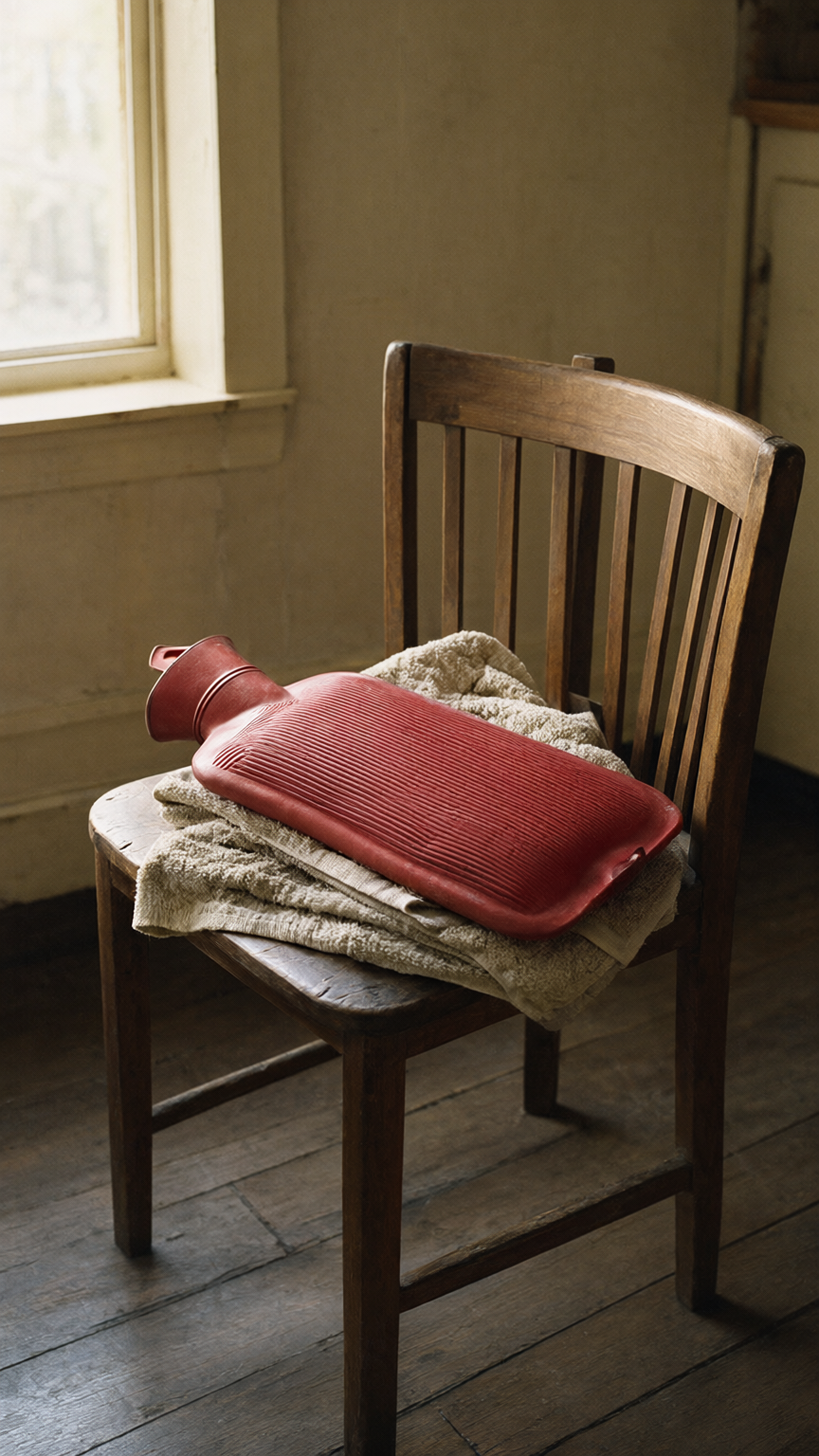
The hot water bottle came out on the coldest nights, red rubber and ribbed, wrapped in a towel so it would not burn. Mom filled it at the sink with steam curling up, screwed the stopper tight, and tucked it under the blankets at the foot of the bed. You put your cold feet against it and felt the warmth spread all the way up to your knees.
A hot water bottle works by holding heat in the water and releasing it slowly through the rubber, which is why it can still be warm hours after the kettle has gone cold. The towel kept the heat gentle and the rubber off bare skin. Did yours have a little knitted cover, or was a towel good enough?
11. When The Lights Went Out At Dinner
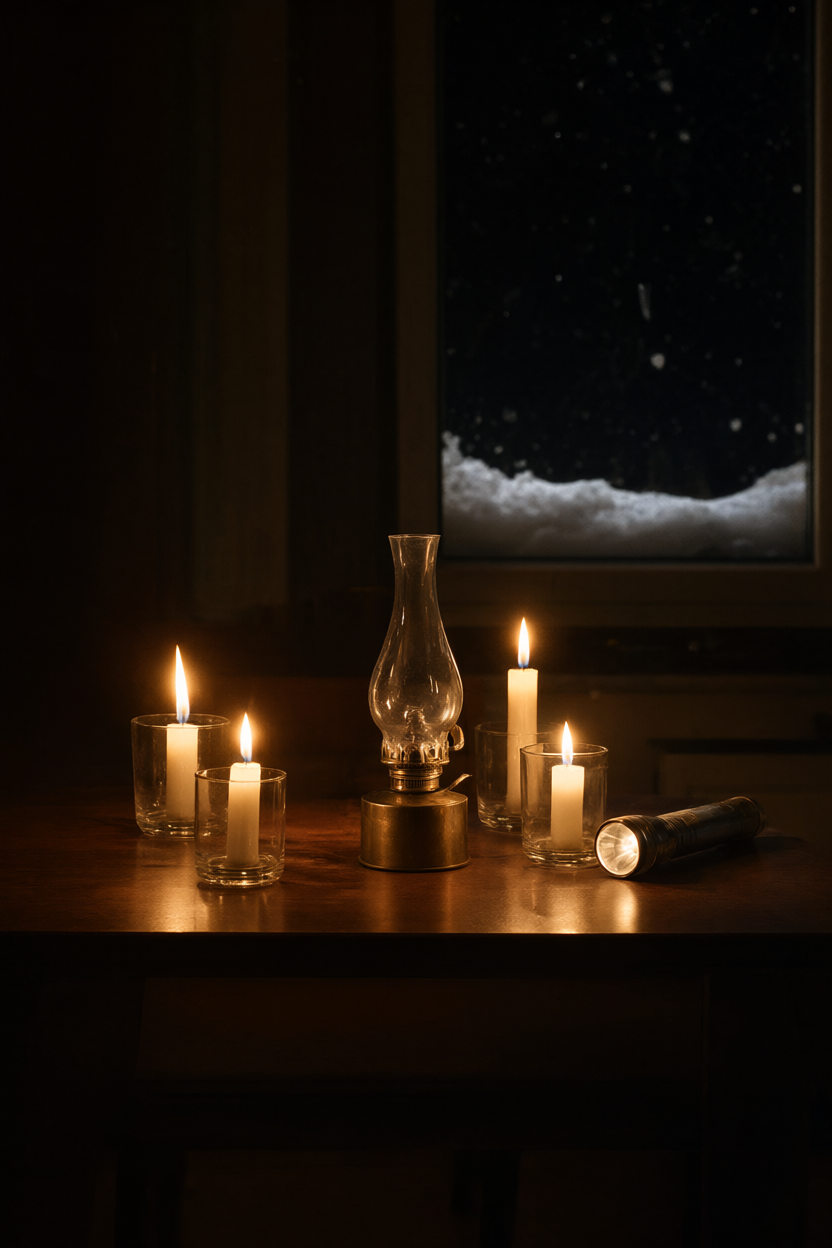
The lights went out at dinner and nobody panicked. Dad found the flashlight, Mom lit the candles in their little glass holders, and the kerosene lamp came down from the shelf with its chimney squeaking. The table turned into a small island of yellow light, and the snow at the black window pressed in close. It felt less like a disaster and more like a surprise party.
Candle flames give light because the wax vapor burns, and the same draft that makes a flame dance also makes it smoke. A kerosene lamp with a glass chimney works on the same principle but with a steadier, brighter flame. Did your family treat power cuts as an adventure, or did everyone just go to bed early?
12. The Dial That Saved The Night
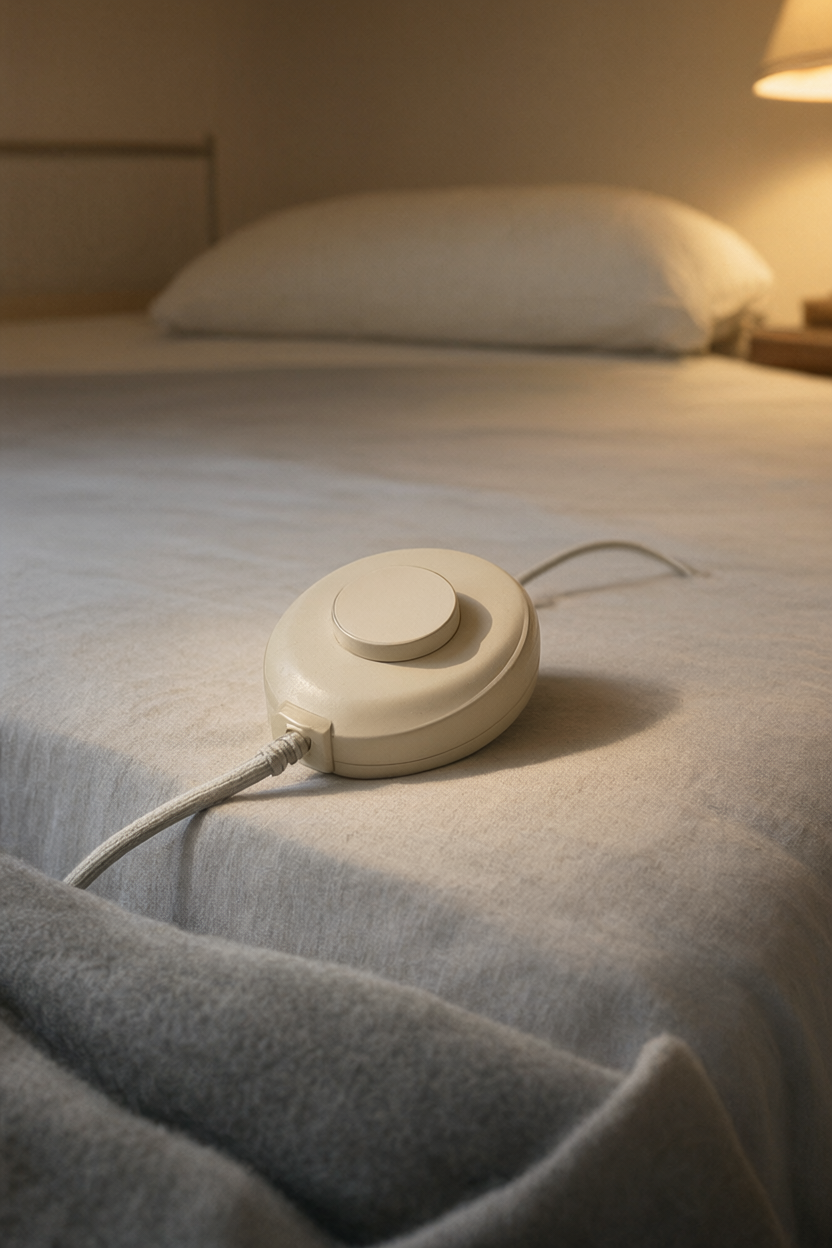
The electric blanket had one job and one dial, and the dial was the most important object in the house on a January night. You turned it to the setting you were not supposed to use, then turned it back before Mom checked. The bed warmed up slowly, a gentle heat that crept up from the mattress and made the sheets feel like they had been ironed.
Electric blankets warm a bed with a thin wire element woven through the fabric, controlled by a thermostat so it cycles on and off instead of getting hotter and hotter. Older blankets had simple dials, which is why everyone knew exactly where theirs pointed. Did you ever get caught with the dial turned up too high?
13. Where Mud And Snow Came To Rest
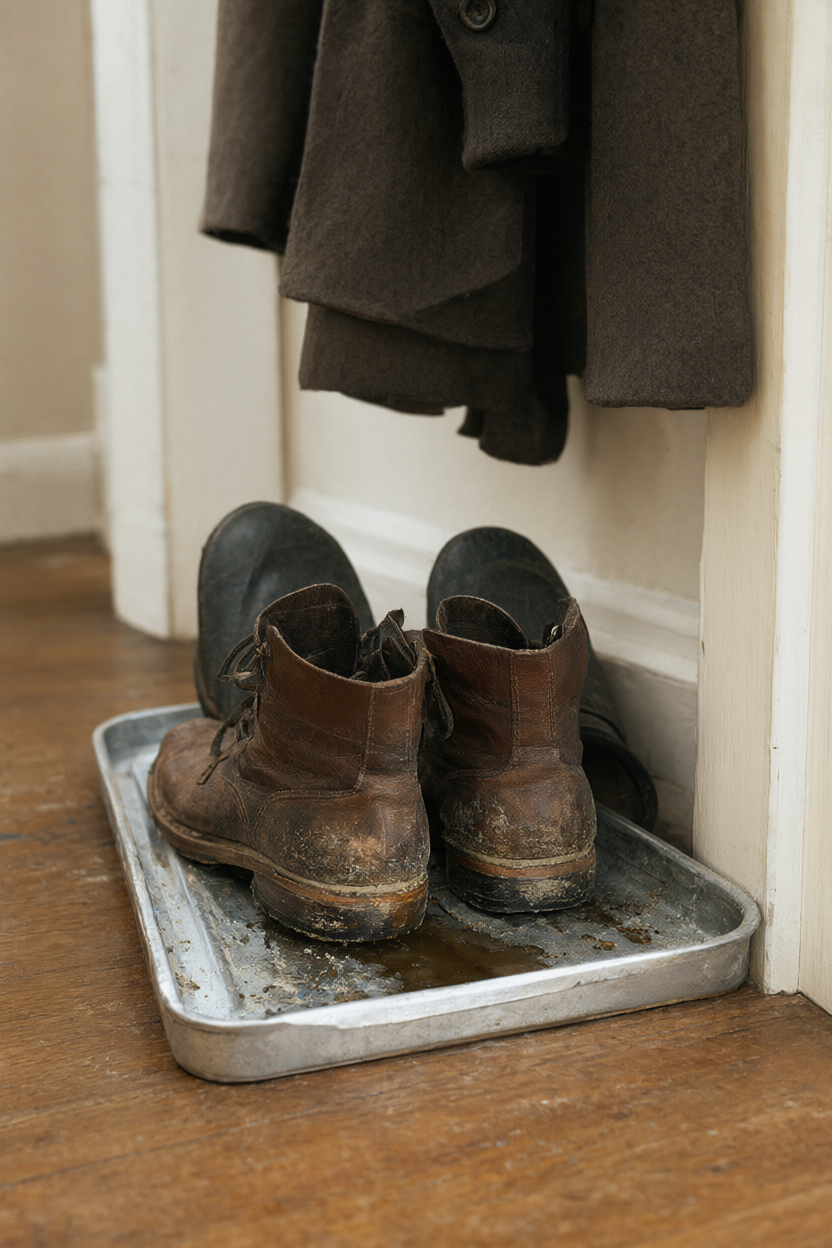
The boot tray was a shallow aluminum pan that caught everything winter threw at it: meltwater, grit, salt, and the occasional chunk of ice that slid off a sole. By evening it held a little grey lake with two boots standing in it like patient birds. Someone had to carry it to the sink and dump it, and somehow it was never the person who made the mess.
Boot trays protect floors by giving melting snow somewhere to go, since water that pools on wood or tile can warp boards and stain grout. Aluminum was a favorite because it does not rust and can be rinsed clean with one splash. Did your family have a boot tray, or was the floor by the door simply sacrificed every winter?
14. The Rack That Never Rested
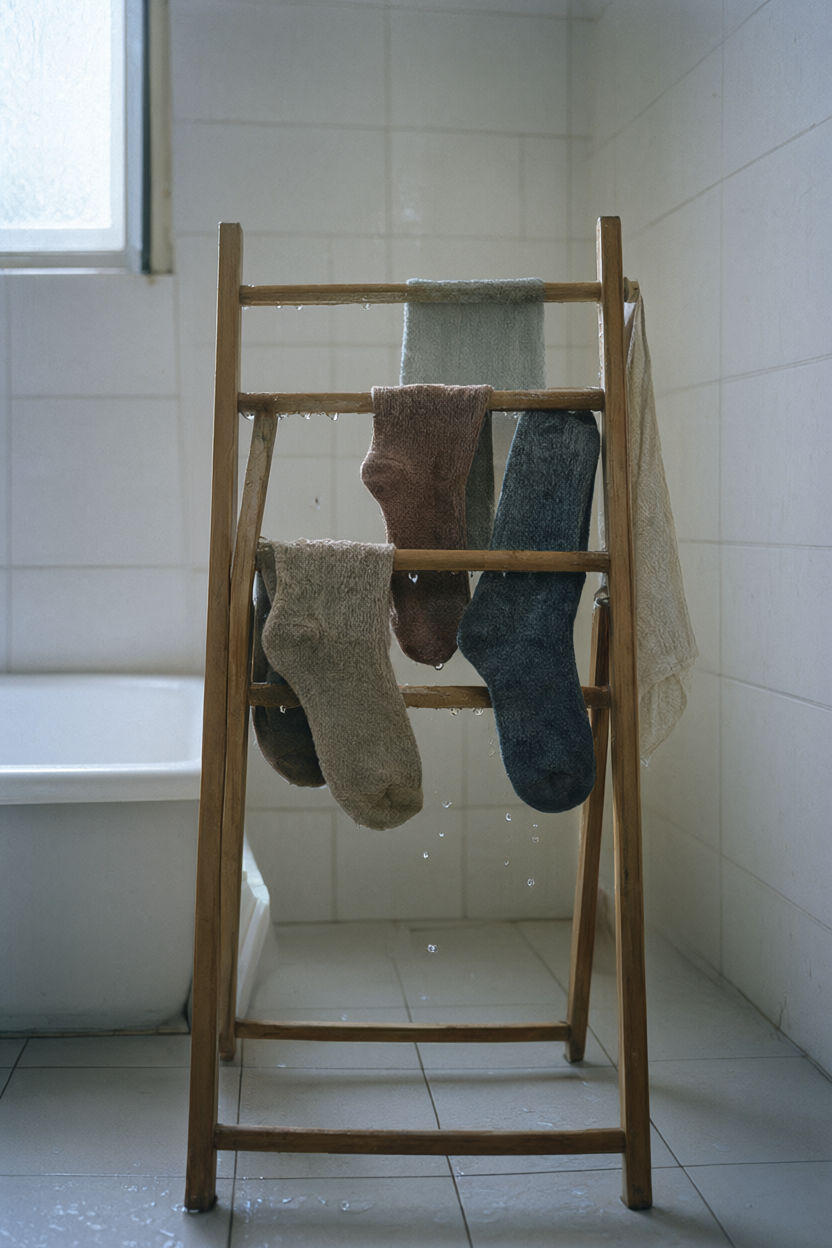
The drying rack spent every winter in the bathroom, folded open like a wooden ladder, hung with socks and a towel and whatever else had come in wet. The tiles underneath collected a little row of drips, and the whole room smelled of damp wool and soap. You walked past it a hundred times and never once thought about how much work it was doing.
Air drying wool is gentler than a hot dryer, which can shrink and felt the fibers, so a rack was the safest place for anything knitted. The socks dried stiff at first, then softened as they finished. Did your rack ever hold so many socks that it looked like a woolly chandelier?
15. The Sound From The Stove
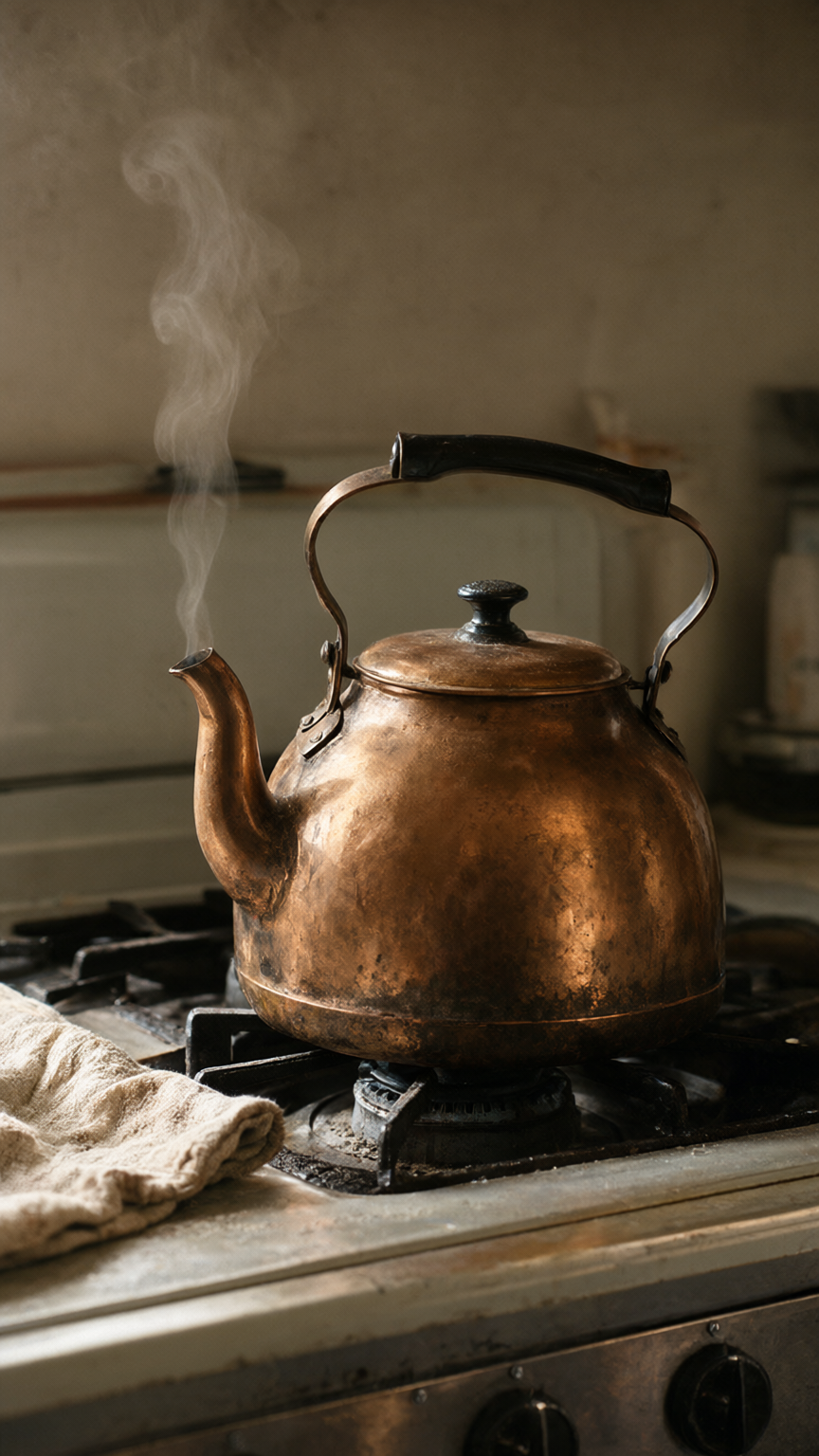
The copper kettle had a dent in one side that nobody could explain, and a whistle that had given up years ago. It sat on the burner with a thin thread of steam rising from the spout, working up to a boil. The handle was wrapped in a cloth because the metal got too hot to touch. That rising steam was the sound of the house waking up.
Kettles heat water quickly because metal conducts heat straight from the flame into the water, and copper does it especially well. The spout sends steam upward, which is why a kettle starts to sing before it actually boils. Did your kettle have a whistle, or did someone always catch it just in time?
16. A Little Storm On The Sill
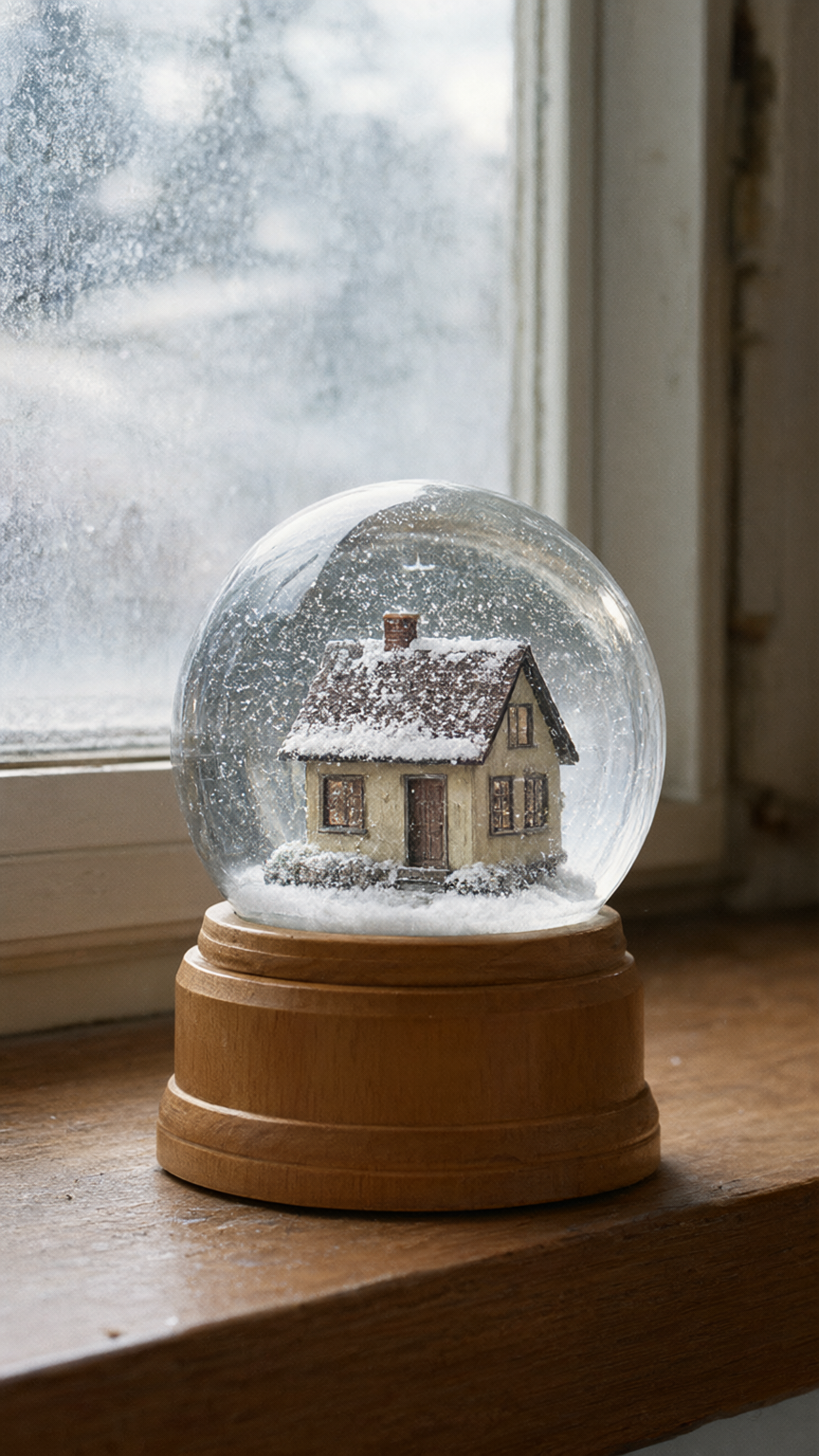
The snow globe sat on the kitchen sill all year, but it only made sense in winter. You shook it and the tiny flakes swirled around the little house inside, settling slowly on the roof and the tiny trees. Then you set it down and watched the real snow fall outside the window, two storms going at once, one in your hand and one in the yard.
Snow globes work because the flakes are made of a material slightly denser than the liquid, so they sink slowly and swirl when the water is disturbed. Sealed tight, the scene inside never changes. Did you ever wonder who lived in the little house, or was it enough just to shake it and watch?
17. The Table That Kept Everyone Home
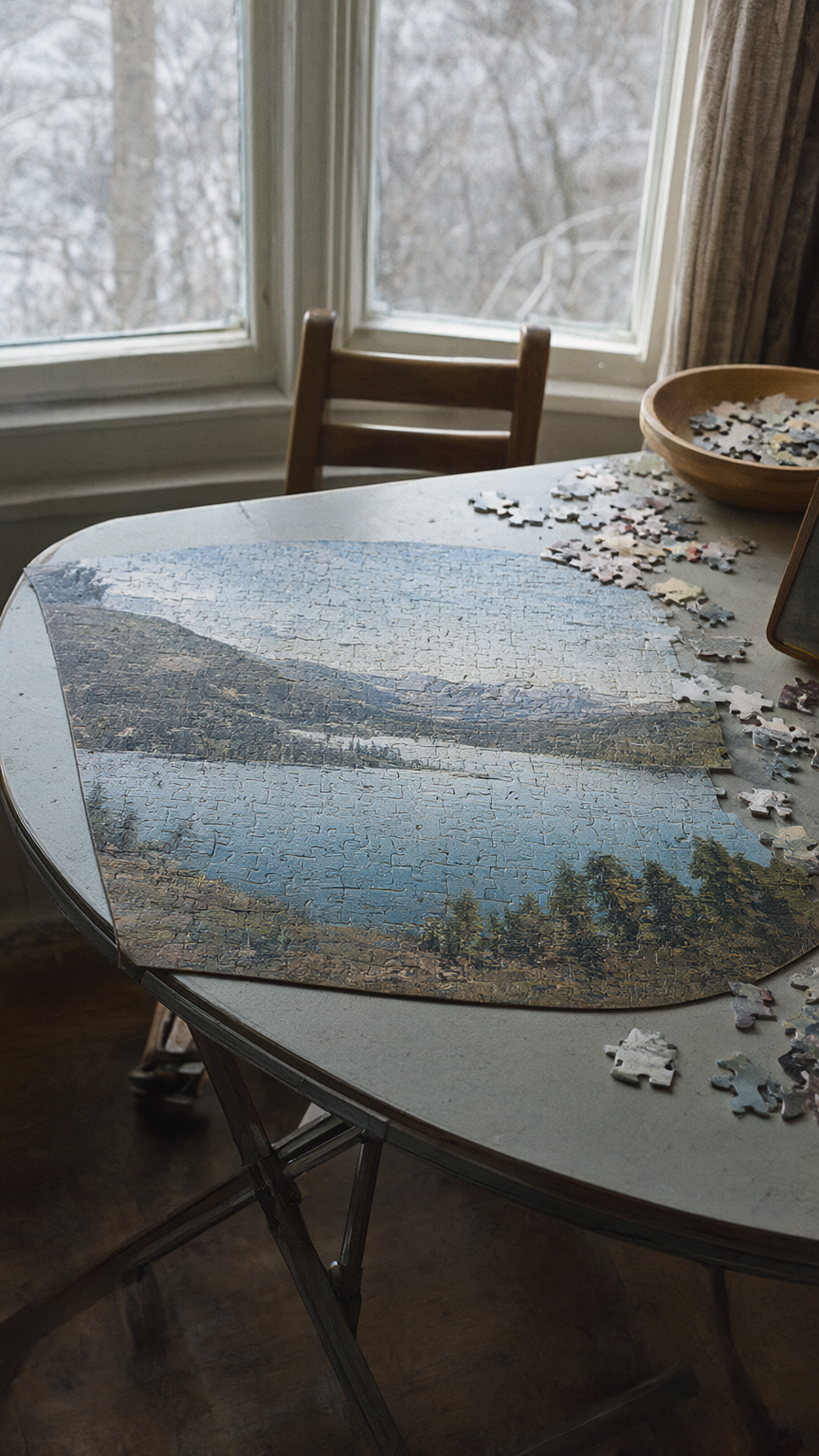
The card table by the window held the puzzle for a week, maybe two. Everyone added a piece when they walked past, and everyone claimed the good pieces were taken. The border went first, then the sky, then the mountain lake slowly came together in the middle. One chair stayed pulled up, and a bowl of loose pieces sat at the corner like a bowl of candy nobody ate.
Jigsaw puzzles are easier to solve when you start with the edges because the straight sides limit where each piece can go and give the rest of the picture a frame. The completed image was always a little disappointing compared with the fun of building it. Did your family finish the puzzle, or did it get packed away half done when school started again?
18. At The End Of The Shoveled Path
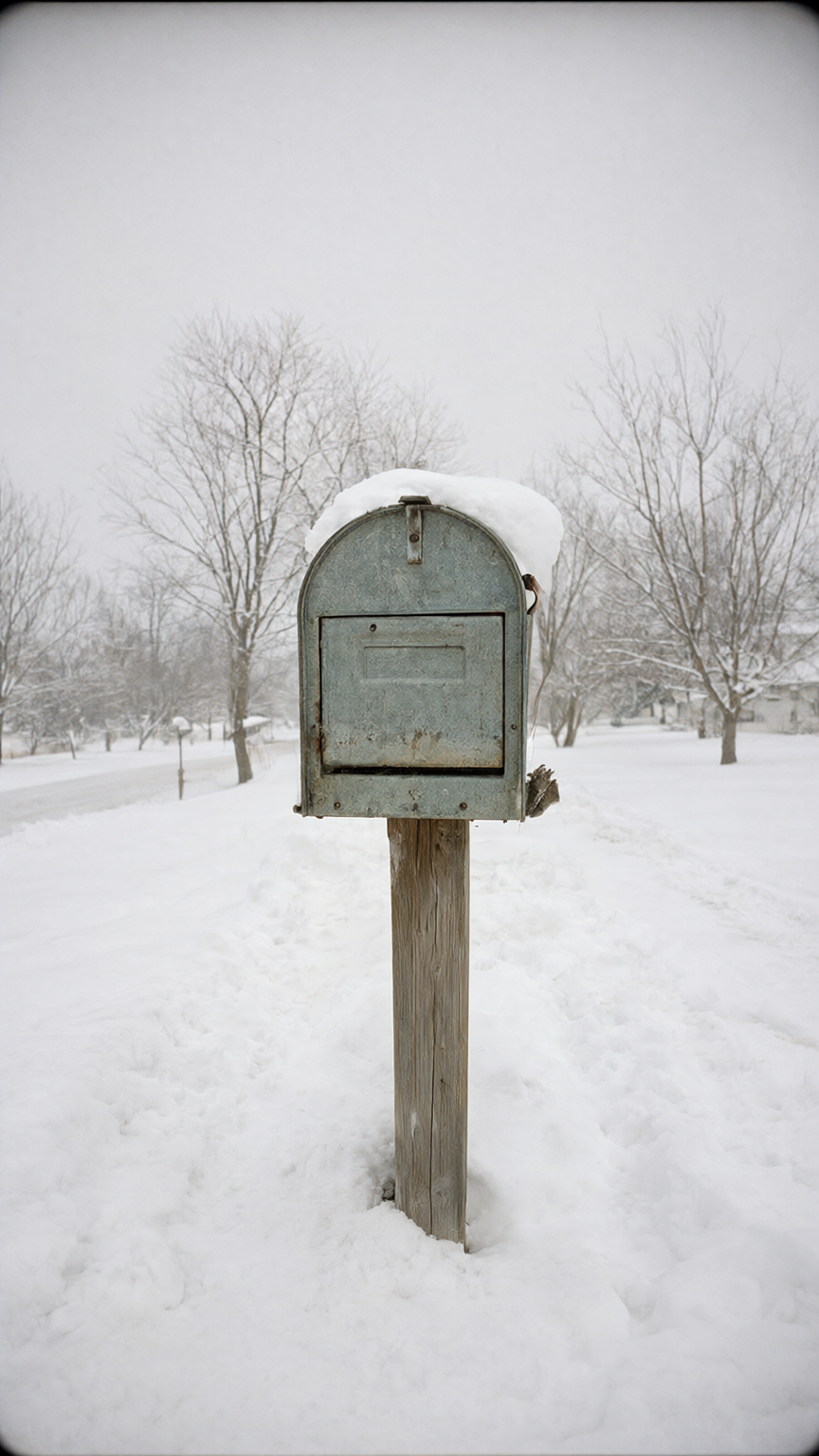
The mailbox wore a cap of snow like a little hat, and the path to it was the first thing shoveled every morning. You trudged out in boots that were too big, lifted the door, and found nothing but cold air and maybe a catalog. Still, checking the mail was a job that made you feel useful, a small expedition to the edge of the yard and back.
Mailboxes stand at the curb or the end of a walk so the mail carrier can reach them without leaving the truck, and a cleared path was a courtesy as much as a convenience. Galvanized steel was common because the zinc coating resists rust even in wet weather. Did you ever get to be the one who checked the mail on a snow day?
19. Visitors Outside The Kitchen Window
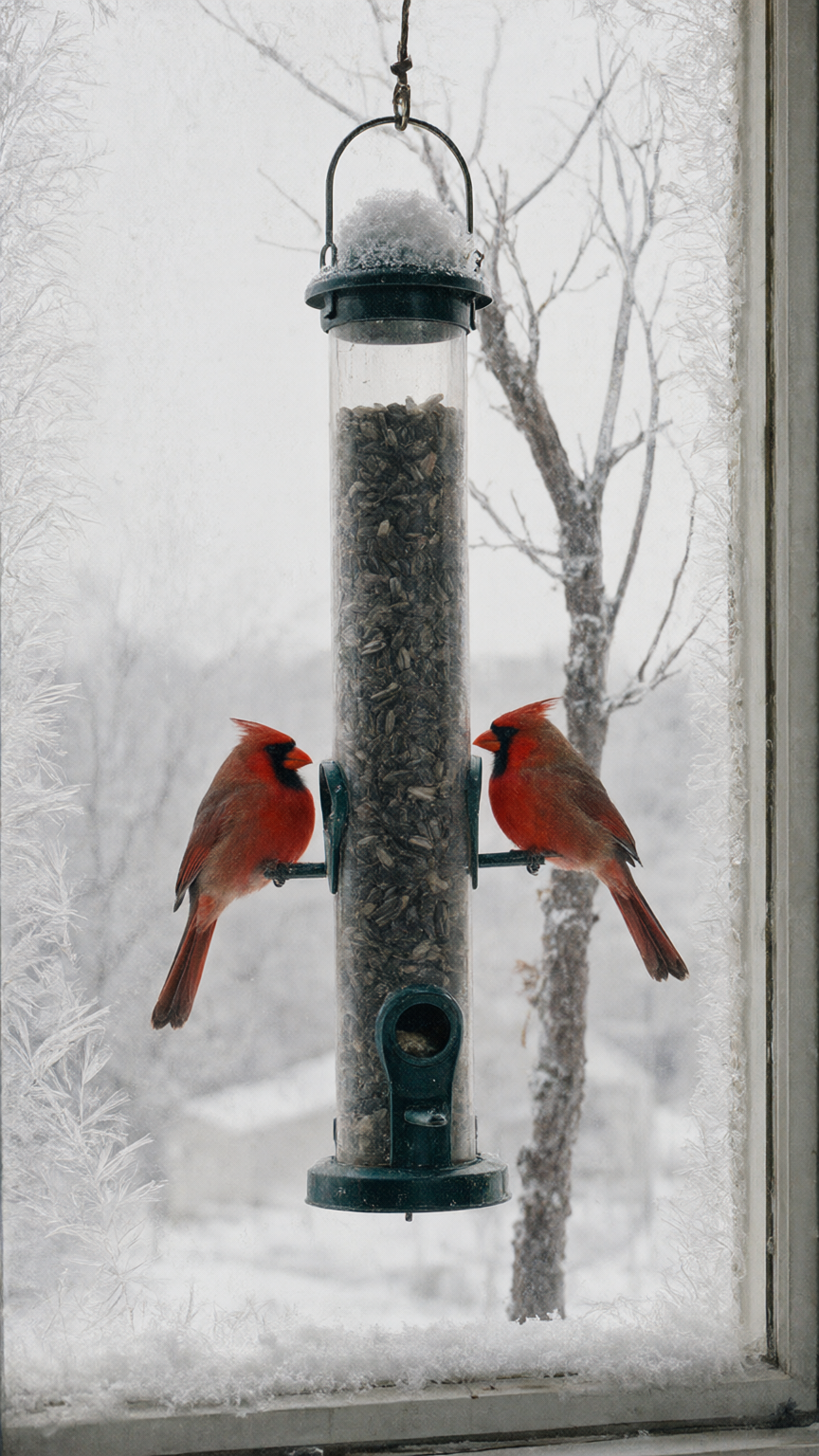
The feeder hung outside the kitchen window, and on the coldest mornings the cardinals arrived like little sparks of red against the white. They landed on the perches, cracked a seed, and were gone again, and you stood at the sink with a dish in your hand, not moving. The window was frosty at the edges, but the birds did not seem to mind.
Cardinals stay through the winter instead of migrating, and the males keep their bright red feathers all year, which is why they stand out so sharply against snow. A feeder gives them an easy meal when natural food is buried. Did your family have a feeder, or did the birds just visit the bushes by the porch?
20. Waiting By The Door For The Pond
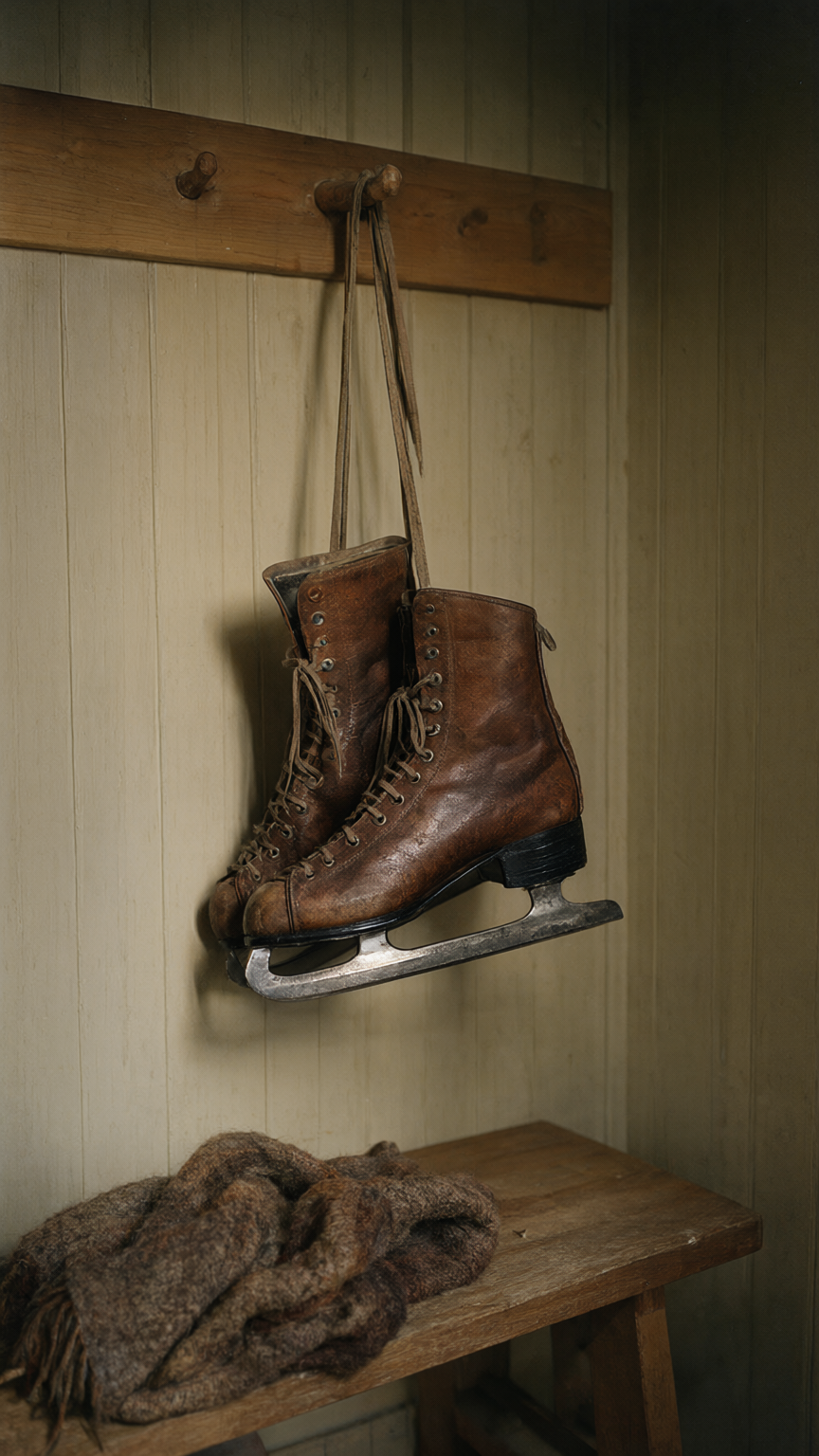
The skates hung by their laces from a wooden peg, blades dull from the last trip to the pond. The leather was scuffed and the laces were knotted in two places, but they were yours and they fit. On a snow day you grabbed them off the peg and ran out the door, and the cold air hit your face like a splash of water.
Ice skates work because a thin metal blade concentrates your weight onto a tiny area, which lowers the melting point of the ice just enough for a film of water to form and let the blade glide. The leather kept the cold out, mostly. Did your skates hang by the door all winter, or were they a once-a-year treat?
Maybe one of these stopped you for a second longer than the rest. For me it is always the boots by the door, that little puddle that meant someone had just come in from the cold. Whichever one took you back the most, keep it close. There are more galleries of small remembered things on the way, so come back soon and bring your warmest memories.