A nature doc cold open—on a talent stage
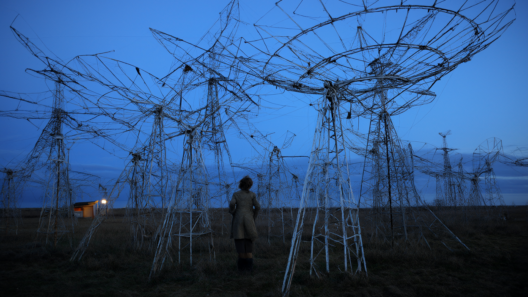
The night begins with a wink. A calm voice talks about the world we’ve explored and the wonders we’ve seen: “We’ve explored almost every part of the planet and seen nature in its astounding variety, but there’s still much to discover.” It’s a playful setup for a show that thrives on surprise. Within seconds, that promise delivers. Gasps ripple. Someone blurts, “Oh, my god. She’s bloody great.” Another judge adds, “That’s unbelievable.” Soon after, a veteran voice offers the kind of line this series lives for: “Never seen anything like this in my life.” The room understands: weird is welcome. And tonight, weird is about to lead.
The sound of surprise
Even for this stage, the swings feel sharper, louder, funnier. One moment a performer limbers up like a rock star—until a dry aside undercuts the showmanship: “Don’t see many guitarists limber up, do you?” A beat, then the twist: “There is no guitar.” Laughter breaks the tension. It’s the kind of left turn that keeps people on edge. A production built on kaleidoscopes needs contrast, and in Series 17, the contrast is constant.
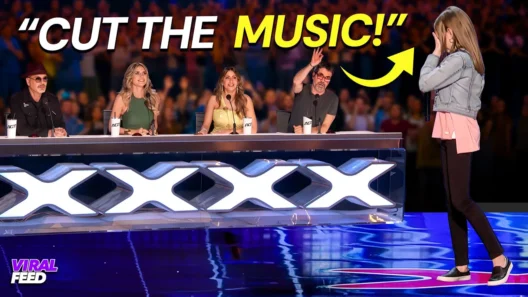
Sonic whiplash follows. Someone hears a piercing note and yelps, “Ears. My ears.” A judge coaches a shaky singer like a patient choir director: “Come on. Breathe. Sustain the note.” Another chirps, “Strike a pose… Beautiful.” A frustrated correction lands: “Watch your tone. You’re not a bass. Get up there.” It’s half critique, half pep talk, and somehow entirely watchable. The stage is part concert hall, part circus ring, and part open mic where anything might work—until it doesn’t.
Batman walks on
Then, a hush. A caped figure in black strides into the lights, deadpan and unblinking. “I love Batman. He’s impressive in real life, ain’t he?” someone says, as the theater tilts between awe and giggles. The panel tries for the basics. “What’s your name? Where are you from?” The reply is both everything and nothing: “It’s Batman.” An amused voice murmurs, “Not sure we’re gonna get much out of it. I don’t think so, Amanda.” The judges try again, graciously: “Well, we’re not sure what you’re going to do, but we wish you the best of luck. Go for it.”
What follows is more presence than performance, more punchline than act. It’s a reminder that charisma can be an act, and silence can be a choice. When the cape swishes away, the room is lighter. The point isn’t what happened; it’s the fact that it could happen here at all.
When the singer meets security
Another vocalist steps up, tender at first. “Beautiful. Beautiful,” someone coos, then reels the ambition back: “Take it down. Take it down.” A moment later the whole thing skids sideways. A figure appears at the edge of the stage. “Where did he come from? He’s a fighter. Get him out of here. Security.” The interruption is bewildering, then funny, then worrying, then funny again when someone jokes, “They’re Simon’s dogs.” The oddity becomes the anecdote. On this show, even disruptions find a rhythm.
What lingers isn’t the intrusion; it’s the way the room flexes. People laugh, groan, and hold their breath together. That shapeshifting energy is the season’s secret weapon.
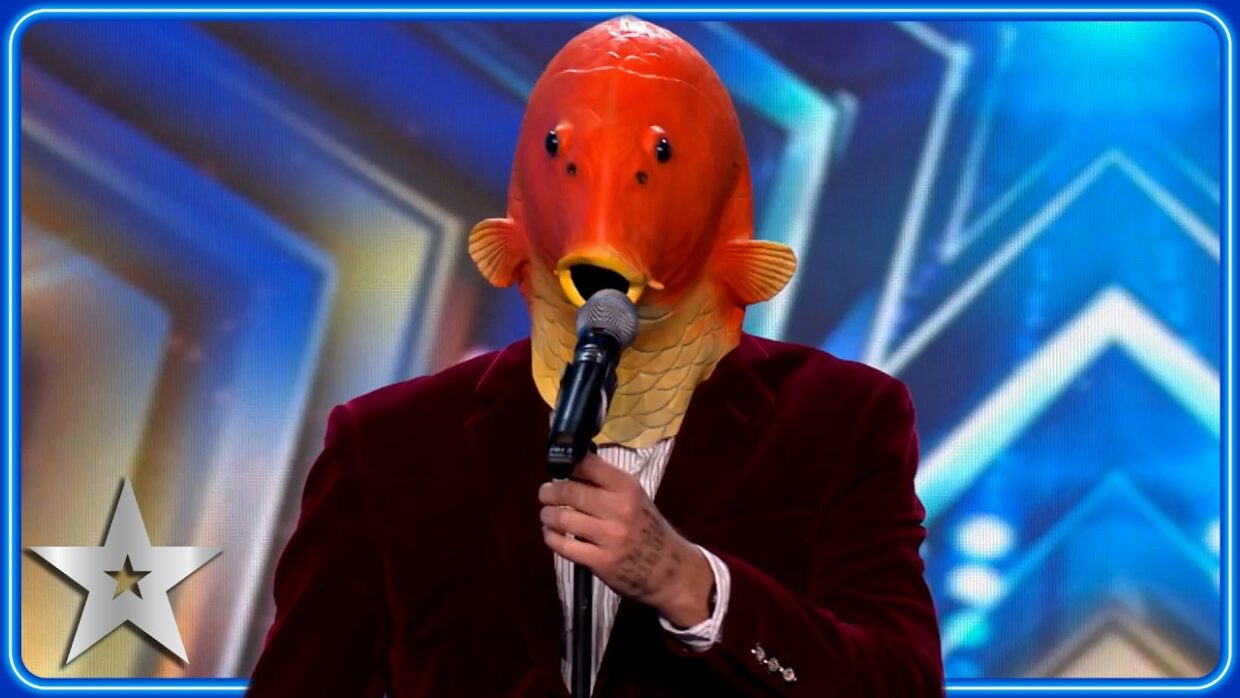
Enter: Bobby Goldfin, the goldfish comedian
It takes a certain confidence to declare your species before your set begins. “Hello. How are you? How’s it going? My name’s Bobby Goldfin,” chirps a smiling comic in brassy scales. “I’m the only, goldfish on a UK comedy scene.” The panel plays along. Can he win? “Yeah. I’m gonna do it.” The crowd wants to believe. The mic is his.
“I’m Bobby Goldfin. I got some jokes. So… knock knock.”
Silence. Then a stumble: “I’ll start that again. Knock knock.” The crowd helps: “Who’s there?” He swallows. “Come on.” The setup swims away from him. He tries again: “Fish have a very short memory. Do you remember why you’re here?” The meta-joke tempts a comeback. He presses forward. “Two fish swim into a barn.” The punchline thuds. Someone tries kindness: “Well, look, the good thing is you’re gonna forget this ever happened.” Then the verdict: “I’m sorry. It’s a no today, Bobby.”
If the story ended there, it would be a cute footnote—a pun gone wrong. But the fish has other plans.
The loop becomes the joke
Moments later, a murmur: “He’s back.” Heads swivel. The goldfish returns, same smile, same shtick, as if he swam a tiny circle and reappeared at the mic without knowing he left. A host explains the obvious: he “got four nos” and, improbably, is on again. A judge needles him, half-testing, half-teasing: “I think you got the wrong guy. You can’t remember.” Another chooses hope: “You were here before, and you were terrible. So maybe you’ll be better now. Good luck.”
“I’m Bobby Goldfin. I got some jokes. So… knock knock.”
Again the blank, then the wobble. “Who’s there?” the room calls. “He’s forgotten again,” someone sighs, both exasperated and charmed. The cycle becomes the bit. The premise mutates from a failed joke into a performance about failure, about memory, about the way a crowd will will a punchline into existence if you give them something to root for. In a strange way, Bobby’s best gag is endurance. By the time he bobs up yet again—”Wish me luck”—the audience is in on it, and the show is, too. The fish isn’t bombing anymore. He’s surfing a loop that only this stage could hold.
Impressions, Titanic, and everything in between
The night widens. A jacket flicks, a voice declares, “It’s impression showtime.” A loop of music cues and false starts follows: “Let music come on. Come on. Come on…” The patter becomes its own comic drum. “That’s funny,” someone concedes, and there’s a quick, tidy “Thank you very much.” Elsewhere, a sweeping cinematic theme draws a delighted cry: “Oh, it’s the Titanic. Titanic.” For a beat, you can almost see a bow splitting the lights, arms outstretched, the whole theater playing along. It’s parody and homage in the same breath.
Audiences on this show are honest to a fault. At one point, a weary voice lets slip: “What a load of rubbish.” Seconds later, after a twist, another voice flips the verdict: “This is the one.” In Series 17, the distance between disdain and delight is a single left turn, a better high note, a stranger reveal. The pendulum swing isn’t a bug. It’s the design.
Two minutes, the world, and a wow
Nothing distills the pressure like the ritual preamble: “Two minutes to change your life.” It’s tidy TV math, absurd and true at once. A performer nods: “Okay.” Someone offers what might be the most honest reaction possible on a night like this: “I have nothing more to say.” And then—noise, color, speed. Someone whispers, “Wow.” The best acts make that word feel earned. The wildest ones make it feel inevitable.
By now it’s clear what ties the chaos together. The show invites one simple contract: surprise us. The guitar that never arrives is a surprise. The caped crusader insisting, “It’s Batman,” is a surprise. The singer who needs crowd coaching—”Come on. Breathe”—is a surprise. And the goldfish who fails, returns, fails again, and somehow wins a piece of the room? That’s more than surprise. That’s story.
Why this chaos works
It’s easy to mock the misses. It’s harder to admit why we keep watching. The answer hums beneath the noise. This stage has always been a map of unlikely routes. A moment that starts with a scowl—”What a load of rubbish”—can finish with confetti. An entrance that seems empty—”Where’s the act? I’ve no idea”—can snap into focus. And a joke that refuses to land can become the heartbeat of the night simply by coming back around. As one judge joked when the fish reappeared: “Maybe you’ll be better now.” In that line is the season’s thesis: maybe.
Even the throwaway lines echo with purpose. “Don’t see many guitarists limber up, do you?” performs critique and curiosity at once. “Thank you for coming” stays gentlemanly right after bemusement. And when someone blurts, “I just don’t know what to say anymore on this show,” it lands less as complaint and more as confession. The show doesn’t always make sense. It makes moments.
Knock knock, the finale nobody saw coming
Somewhere near the end, the goldfish drifts back into view, almost by instinct. “Thanks, guys. It’s well to be here. I’m Bobby Goldfin.” The room hums with a mix of dread and glee, the way a family braces for a story they’ve heard a dozen times and still want to hear again. He leans into the mic.
“Knock knock.”
There’s the joke. There’s the courage. There’s the whole season, compacted to two words. Whether the punchline ever truly arrives is almost beside the point. In a night that made time loop and logic bend, the attempt becomes the triumph.
That’s the magic running through these bizarre and unique auditions. They’re unruly, yes. They’re sometimes baffling. But they’re also built on a sturdy, generous hunch: that an audience will meet audacity halfway. Series 17 tests that hunch with Batman, with a missing guitar, with a singer shepherded by a chorus of “Come on,” and with a fish who forgets, forgives, and tries again.
If you want tidy arcs and easy winners, this isn’t the night for you. If you want to feel a theater tilt from groan to glee while people on both sides of the lights take big swings, it absolutely is. Watch the video, let the shocks stack up, and see where you land—whether with a jolt of “rubbish” or a breathless “this is the one.” Either way, when the next hopeful steps into the heat and someone whispers, “Two minutes to change your life,” you’ll know exactly what it means.