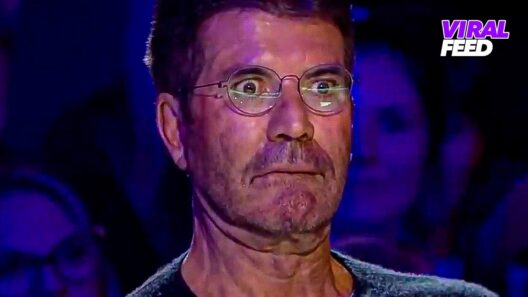
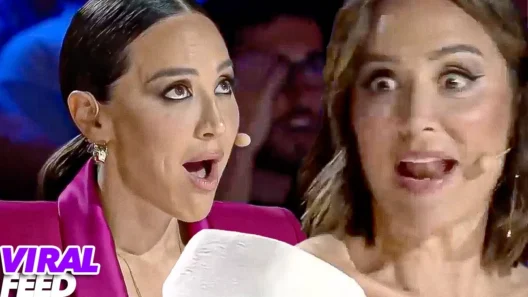


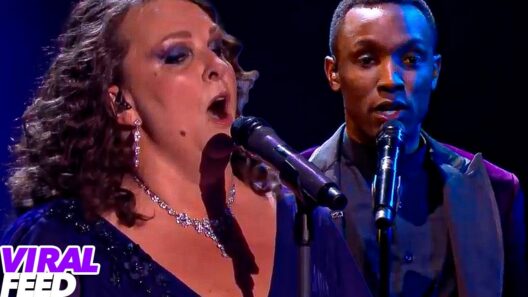
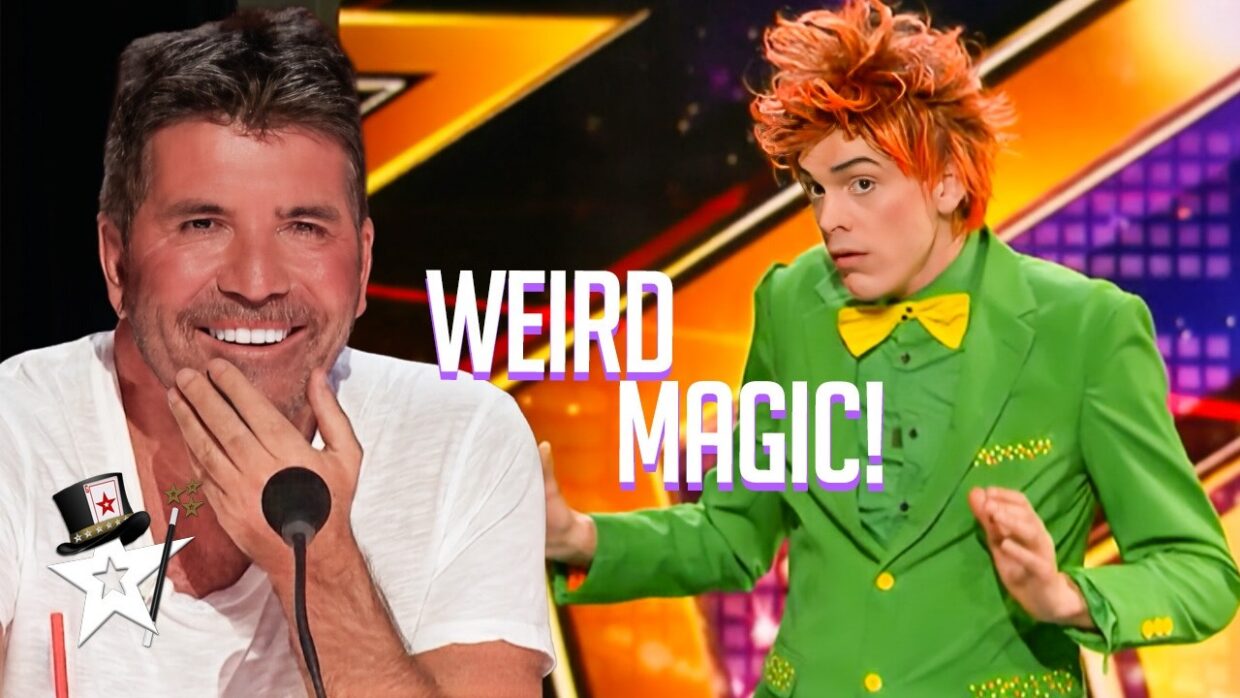
Some magic makes you gasp. Some makes you laugh. And then there’s the special strain of Got Talent weirdness that somehow does both at once, skipping between danger, slapstick, and mind games while the crowd alternates between “no way” and “do it again.” This showcase gathers seven such moments—offbeat, disarming, and strangely unforgettable—where magicians push the line between silly and scary, then smudge it for good measure.
Razor-thin nerves and a mouthful of danger
It begins with a confession, delivered in clipped, careful English: “I have a real a real razor blade. Please be careful. Don’t touch here.” The room tightens. He lets a volunteer test the edge. Then, with comic politeness—“Please don’t copy me”—he lifts the blade and appears to swallow it. A beat. Another blade. And another. A grin: “I will eat all of them.”
In the crowd you can hear the instincts collide: the nervous laugh, the involuntary “No,” and a judge sputtering, “You’ll never eat dinner after this.” The act turns on a single word—“strings”—and the soft scrape of thread being drawn back from somewhere no thread should be. It’s the sort of daredevil gag that lingers in the mind because it is both ridiculous and primally unsettling, landing on one more swallow, one more tug, and the collective sigh of, “Wow.”
Fingers that won’t behave
The mood swings from razor-edge peril to playful body-bending. A young magician holds up his hands and narrates his proof of life. “Now we can see my fingers are here. Real finger. Okay. I want to make sure it’s real finger. It’s real fingers. Yeah. Yeah. Don’t blink.” Then, with impish logic, he pretends to detach a finger, “He needs to turn off his finger,” sets it “somewhere else,” and puts it back again as if reattaching a toy part.
It’s funny because it feels like a secret any kid could discover in a mirror—and then he undercuts the joke. A playing card slides onto his pinky. “A card. I’m gonna put it on my tinky. Yeah. Now watch carefully.” The card seems to melt and reappear. A shrug: “I didn’t say I’m gonna do a magic trick.”
He turns to the judges. For Sofia: “Please check the ring. It’s just a ring. Right? Yeah. Beautiful. Now watch carefully. It’s on my pinky and watch.” The ring jumps, lands on a new finger, jumps again. “One more time. So it’s on my ring finger and it jumps like this.” When he catches Simon’s eye—“Simon, I want you to watch carefully because, many people think I moved the ring very quickly, but, actually—”—the sentence hangs in suspense, and then applause takes over. It’s nimble, close-up mischief with the warmth of a street performance and the sting of real skill.
“Newspaperino”: slapstick with bubbles
Comedy magic thrives on the line between knowing and not knowing, and the clownish conjurer who follows grabs that line and strums it like a guitar string. He hushes the crowd—“Be still. Be still.”—pats a broadsheet, and declares, with a flourish, “I will now do the classic trick, the champagne in the newspaper.”
He tips the bottle. “I will pour it in the newspaper like this. All the champagne in the newspaper like that.” The paper drinks it up. He claps the fold. “It’s gone. It’s gone. Thank you so much.” A heartbeat later, he undercuts himself with deadpan panic—“Oh, no champagne. Oh, no champagne.”—and then strikes with a gleeful “In your face.” The bit ricochets between “oops” and “aha,” a fizzy reminder that laughter can be a kind of misdirection, too.
The bag, the coaster, and way too many beers
From champagne to beer is a short hop in magic, at least when a paper bag, a coaster, and relentless confidence are involved. The patter lays out the rules like a recipe:
“One empty paper bag, one dramatic magic gesture, one beer coaster.”
With a snap, a glass appears. Then a bottle. The bag swallows, produces, and refills like a bar that never closes. The magician winks at the audience’s suspicion—“No hidden glasses, no hidden beers except for that one.”—and then doubles down. There’s a miniature bottle, a normal one, and, with impeccable timing, the arrival of a “spare coaster” for emergencies, which only means more beer must be on the way.
He even jokes with his own wardrobe: “No jackets. No sleeves. No shoe.” A beat. “That’s my shoe.” The trick isn’t only the alcohol pouring out of thin air; it’s the rhythm—set a rule, break it, pretend to confess, then escalate again. Each punchline empties the bag and fills the glass, until the stage looks like a pop-up pub conjured out of dad jokes.
“We’re not going to show you a trick”
Then the evening tilts toward the cerebral. Two performers—dry, crisp, almost academic—step out with a greeting as neat as their blazers. “Good evening. Welcome to America’s Got Talent.” When asked what they do, they deadpan: “We’re not going to show you a trick. We’re gonna show you a demonstration of pseudoscience.” They call for a volunteer. In this theater, saying the name “Howie” is like summoning a lightning rod. He sits, a little wary, a little game.
Have you heard of phrenology, they ask—the 19th-century habit of reading personality from the bumps on your skull? They update it with a wink: “David and I came up with pressure for knowledge… by squeezing parts of the skull we can actually get you to lose the ability to do certain things.” They squeeze and joke—piano? backflips?—before landing on the heart of their thesis. A firm hand, a polite warning: “You can now no longer read.”
It’s a startling claim because it invites a test anyone can understand. They hold up a card for the panel. “Judges, yes or no? Can you read this?” Yes. Yes. Yes. They show Howie. He stares and hears his own voice tilt toward confusion: “Well, it’s not a word. Cannot. Cannot.” Another card: the judges nod. Howie squints. “Corn poop? What is it? … Gauropoop?” A third round yields “Avlo Moro.” The room breaks into that rare sound that mixes sympathy and delight—the joy of watching someone skilled at banter get caught in the same web the rest of us would.
Release is as sharp as the premise. They lift their hands. The pressure eases. “He is no longer pressure for nolling you, so you should be able to read.” The cards return: “Comedian.” Then, with a wink toward his reputation, “Germaphone.” And finally, a name card that reads like a miniature victory lap—followed by, “Please give Hallie Randell a huge round of applause.” It’s the rare routine that feels like a science fair crossed with a prank, punctured by laughter and sealed with gratitude.
Why the weird ones work
Across these pieces, a pattern emerges. Each act wears its premise like a rubber mask: obvious enough to recognize, elastic enough to stretch, and just unsettling enough to make your brain hunt for a zipper. The razor blades flirt with danger while language—“Yummy… Delicious… Please don’t copy me”—winks that we’re safe. The finger gag starts like a playground prank and lands in real sleight-of-hand. The champagne and beer bits thrive on contradictions: empty-but-not-empty, soaked-but-dry, rules that dissolve as soon as they’re spoken.
And the pseudo-science? It weaponizes audience fairness. We all know what words look like. We all know Howie can read. So when he can’t, the theater vibrates. “I can’t believe what I just saw,” someone says, and that’s the secret spine of the night. Belief is not just suspended—it’s bewildered, teased, and returned with interest. Even the simplest utterances—“Amazing.” “Wow.”—become a chorus, anchoring the show in the visceral.
There’s also the chemistry with the judges. Sofia’s ring becomes a tiny comet, vaulting from finger to finger until it’s a character of its own. Simon is singled out with a promise—“I want you to watch carefully”—because nothing delights a crowd like making the sternest face in the room do a double take. And Howie, ever the good sport, lets the night’s strangest claim land right on his forehead so that everyone else can enjoy the impossible at arm’s length.
The pleasure of being fooled—gently
What binds these seven oddities is not just skill. It’s tone. The performers keep their edges soft even when the props are hard—steel blades, glass bottles, sharp cards. They cushion shock with patter, wrap risk in apology, and use the tiniest words to unlock the biggest laughs. A muttered “Yummy” after a razor blade. A bashful “That’s too much… I’ll put back back here for real” after a finger stunt. A breezy “Bag, coaster, beer. Yes.” after yet another impossible pour.
That’s the truest charm of quirky magic on a big stage: its performers behave like hosts, not conquerors. They’re in on the joke, but they hand it to you with care. You leave both certain you were fooled and oddly proud to have been invited into the game.
If you’ve ever rolled your eyes at a card trick or braced for another box-and-saw routine, this reel of left-field surprises is a tonic. It reminds you that wonder doesn’t have to be grand to be great. It can be tiny—a ring, a coaster, a slip of paper—and still flip your expectations inside out. As one voice says near the end, with simple certainty: “Magic.”
Ready to feel that again? Press play and see how your own instincts hold up when razor blades taste like applause, newspapers drink champagne, beers breed in paper bags, and a pair of deadpan “pseudoscientists” persuade a household name that letters no longer mean what they say. Watch closely. Or don’t. Either way, you will say it, too: “I can’t believe what I just saw.”