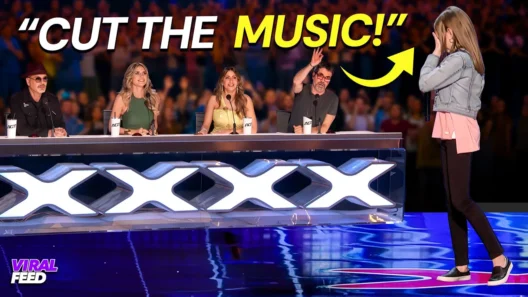
It begins with a command that lands like a dare: Read that out loud to yourself. A beat later, another: Go to sleep. The words are cheeky stagecraft, but the promise is serious. Across a run of talent-show stages on both sides of the Atlantic, a parade of hypnotists, mentalists, and one unlikely canine line up to test a simple, provocative idea: under the right conditions, suggestion can bend what we feel, remember, and even who we think we are.
Some of what follows is eerie. Some is flat-out funny. All of it asks the same question: If you dont think youre suggestible, are you sure?
The haunted chair and the girl in the dark
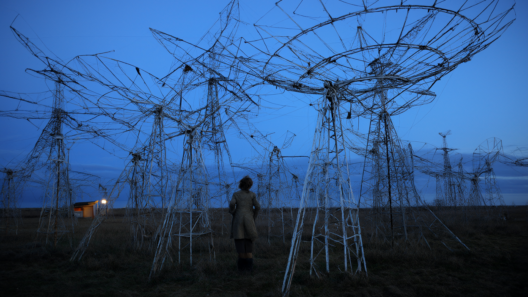
Nicholas Wallace walks on with the quiet confidence of someone who knows a story can do more than a shout ever will. He introduces a legend from the Quinte Hotel, a place he says wasnt haunted by infrastructure, but by an object.
Most people believe that the Quinte Hotel was haunted, but they were wrong. It wasn’t the hotel. It was an inconspicuous piece of furniture. It was an old rocking chair.
He adds another relic: a scorched doll, recovered from the same blaze that leveled the building. This doll and this chair seem to have some sort of connection, he says. To test the claim, he invites Gabrielle from the audience, seats her right back in the chair, and blindfolds her. Her arms hover, palms opena posture that turns the whole theater into a listening room.
Wallace stands several feet away, beside the doll. He asks her to memorize a sensation, then gives a rule to follow.
The next time you have this feeling, you’re going to very slowly raise your right arm into the air.
Nothing touches Gabrielle. Not visibly. But as Wallace handles the dolla poke here, a brush thereher hand floats upward. Then down. Up again, on cue; down on cue. He barely speaks.
Be very, very honest. Raise your hand if you can feel this.
Her hand obeys. Her face, hidden by the blindfold, becomes the audiences screen. When she finally stands, shes rattled and elated.
I literally do not know how that happened, she says. I put the blindfold on, it felt like I got touched.
The judges try to label what theyve seen, and even their compliments sound like warnings.
If I was to say you’re creepy, that is the best compliment I could give you.
Was it hypnosis? Telepathy? A ghost in the furniture? Wallace never says. What he does is subtler. He scripts attention and expectation so precisely that a whole audience learns to hold its breath at the same time. Anyone whos ever felt their foot tap during a march knows the feeling: your body moves before your mind votes.
The dog who erases the number seven
Comedy breaks the tension next. Christina Lennon steps out with an assistant who immediately steals the show: This is Princess the hypno dog. It sounds like a sketch until volunteers from the audience sit, blinking and grinning, under a calm monologue of suggestions.
On the count of five, you’ll all be wide awake. As soon as I ask you to count, you’ll find the number seven does not exist.
They count. Out loud. And like a spilled marble rolling around a missing floorboard, 8 comes right after 6.
123456891011.
The theater roars. A judge sputters What the hell is going on? and then, because disbelief is a muscle that can lift only so much weight, he asks if the dog will try him, too. Lennon gives it a go. For him, nothing sticks. That, too, is part of the point. Not everyone is ready to play. Not everyone wants to.
Still, the volunteers prove something real onstage: when your focus narrows and you accept a suggestion, even an absurd one, your mind can momentarily edit the world. Sevena symbol youve used since childhoodvanishes not because youre gullible, but because your attention is elsewhere, occupied by the rules of a temporary game. If youve ever looked for your glasses while they were on your head, you already know this software bug.
The mentalist who knits two minds together
Then comes a different kind of acta mind-reading performance that flirts with hypnosis but keeps a foot planted in sleight of hand. Ryan Trix, a sewage plant worker by day and magician by night, sets the tone with a mission statement that sounds like a pep talk to himself as much as to the crowd.
If you have a dream, go out, get it. Don’t let anybody tell you you can’t do anything in life.
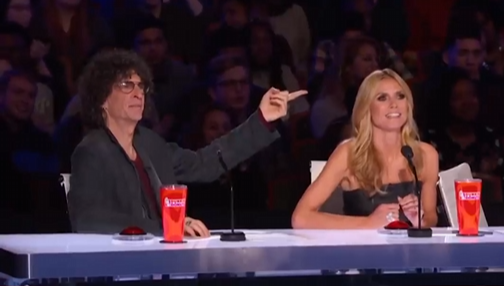
He invites Simon and Howie onstage to test whether their on-screen friendship has what he calls a subconscious connection. The first test is theatrical and tidy. Two decks, two choices, one reveal.
These two cards must match.
They do. Then he raises the stakes, blindfolding Howie and playing a soft game with timing, pressure, and trust.
Do you feel this pressure? When you feel this pressure come off, raise your hand slowly to a height of a wine bottle.
Howies hand floats when Simon raises his own. It lowers when Simon lowers his. In truth, a hundred tiny cues can link two people on a stagebreathing, rustle, the shared pulse of an expectant audiencebut part of the fun is watching two adults surrender to the experiment like kids with a string-and-can telephone.
For the last beat, Trix makes the connection tangible. He offers Simon a platter of everyday items and has him secretly pick one. To Howie, still blindfolded, he paints an image with words, and then just one question.
What do you imagine holding?
Howie says it before even he can stop himself.
Cookie.
Blindfold off. In Simons hand: a cookie. The audience reacts the way crowds do when their world briefly shrinks to the size of a coin and then flips: laughter, cheers, a little awe. Later, a judge calls the whole experience eerie and fantastic. Eerie because it feels like mind control. Fantastic because, if youre being honest, you want it to be.
The skeptic, the gloves, and the word sleep
Finally, a professional hypnotist named Chris Jones walks into the most loaded situation of the night. His volunteer is a famous germaphobe who jokes about fist bumps and avoids handshakes on camera. Jones makes a point of consent and clarity before he starts.
If you do not wanna be hypnotized, now is the time where you can get up and leave your seat.
The show even breaks the fourth wall to draw a boundary most viewers didnt know existed.
You’re also not allowed to show Chris hypnotizing on television.
Thats the paradox of stage hypnosis: producers crave the drift into trance, but they also fear the optics of it. So we watch around the corners as Jones collapses years into breaths: sixty, fifty, ten, five. He gives a single, simple instruction.
Sleep. Relax all the way down.
What follows feels like a gentle reprogramming of comfort. Jones talks about protection, about cleanliness, about the idea that safety can be as much a feeling as a fact. In one running bit, he introduces a notion as playful as it is potent: invisible gloves.
I’m wearing gloves now. Shake my hand.
The germaphobe takes the hand. Later, the astonished recap lands with a thud only because the sentence has never been true until then.
He shook his hand. No gloves.
For someone who built a brand on avoiding skin-to-skin contact, the moment is more than a stunt. Its a test balloon for a different lifethe same way a first drive after a fender-bender feels like a jailbreak from fear. Theres even a quiet, beautiful exchange about memory, the kind you can access only when the room goes still and youre given permission to wander.
Close your eyes. Send a mental screenshot.
When he surfaces, he looks lighter, like a person who has briefly remembered his own body is not a trap.
So is hypnosis real?
Thats the wrong question, and also the only one that matters. What these acts share isnt sorcery. Its a set of reliable human features, exploited with showmans timing.
Theres the ideomotor response, where tiny, unconscious movements reveal what we expect. Thats Wallaces wheelhouse. Tell someone to pay attention to a sensation, promise it will return, and their nervous system will begin to look for it. In looking, it can also create. Raise your hand if you can feel this, he says, and a millisecond later her hand rises to meet a feeling she believes is there. The belief is the motor.
Theres selective attention, where your mind suppresses part of a scene so it can process the rest. Thats Lennons trick. The number seven does not exist, she suggests, and the volunteers simplify their internal number line just enough to make room for that idea. Its not forever. It doesnt have to be. Its no different than failing to hear your name across a crowded bar because youre listening too hard to the person in front of you.
Theres social compliance and expectation, which both fuel Trixs double-acts. Put two friends together under bright lights and invite them to be in sync, and youll find them, unconsciously, searching for the rhythm that proves you right. Does that cheapen the wonder? Not really. It just explains why the cookie reveal feels so good: their collaboration completes the trick.
And theres state change, which is Joness territory. Hypnosis is not sleep, and its not mind control. Its a focused, absorbed state where suggestions feel more plausible and more interesting than usual. Think of the moment you emerge from a book and need a second to remember your own room. In that gap, a well-placed idea can feel like your own.
Why it works on television
TV gives hypnosis a superpower and a handicap at the same time. The superpower is context. A stage, a story, a crowd that wants to believethese are the raw materials of influence. The handicap is control. When a show warns, You’re also not allowed to show Chris hypnotizing on television, its not being coy. Its managing risk. No network wants to be accused of making someone do something. Thats why the most powerful lines all night are the ones about permission.
If you do not wanna be hypnotized, now is the time where you can get up and leave your seat.
Consent is the engine here, not an afterthought. Everyone we see volunteer says, in one way or another, Im willing. That willingness is the door. The performers provide the keyhole and the key.
Between a ghost story and a science demo
Watching the acts back-to-back, a pattern emerges. The creepiest story of the nightthe haunted chair and the dolluses the language of folklore to set a tone. The funniestthe hypno doguses laughter to lower defenses. The cleverestthe cookierelies on shared attention. The most personalthe handshakeoffers a glimpse at what hypnosis can do offstage: change a feeling instead of just a moment.
A critic might say none of this proves hypnosis. Fair enough. But thats like watching a weather vane and complaining it doesnt prove wind. What it proves is movement. It proves human beings are open systems, and that our bodies and beliefs are in constant conversation.
Even the misses teach. When the dog cant sway a judge, the audience learns the boundary conditions: some people need a different doorway, or a slower climb down the stairs into focus. That variability is not a bug; its a feature. Its why stage hypnotists often gather volunteers and keep the ones who respond. The show is a lab, and responsiveness is the reagent.
The ethics of sleep
The word sleep carries a lot of baggage. It can sound like a command to surrender. But the most responsible moments in these performances are the ones that underline agency. Jones asks for consent, step by step. Lennon returns her volunteers to normal counting and checks on their comfort. Trix frames his work as a partnership. Even Wallace, with the eerie props, invites his volunteer to be very, very honest.
That ethic matters, especially in the personal beats. The invisible-gloves suggestion isnt about tricking a germaphobe into a handshake for a laugh. Its about creating a context where the feeling of safety can grow long enough to be felt. The laughter that follows isnt ridicule. Its a releasethe sound of tension unspooling.
What the volunteers actually felt
We cant climb into anyones head, but we can trust the testimony that keeps repeating in different forms all night.
I got touched a bunch.
What the hell is going on?
I’m yawning.
Notice the verbs: got, is, am. The present tense is telling. In the moment, the experience is not an opinion. Its just true, until it isnt. When the suggestions lift, clarity returns. People smile, stretch, and, to a person, seem grateful. The performers thank them, too, and mean it. Hypnosis is a cooperative art. Without a willing mind, its a magic show with no mirrors.
How to watch with your eyes open
Heres a good way to watch a night like this. Dont argue with the premise. Accept that everyone youre seeing onstage is trying to create a specific kind of focus. Then ask better questions.
What exactly did the performer suggest, and when? What did the volunteer have to do or not do for it to work? How much of the effect came from rhythm, repetition, or silence? If seven disappeared, what took its place? If two hands rose in unison, who cued whom? If a handshake felt safe, what idea made it safe?
The answers dont dissolve the mystery. They sharpen it. They make you a better audience member, and, if youre ever in that chair under that soft word sleep, they make you a safer volunteer.
The spell that lingers
Long after the judges have finished voting and the props are packed away, snippets of the night stick. The way Wallace turned a room into a whisper. The way Lennons seven gag turned adults into delighted kids. The way Trix grinned like a proud lab partner when the cookie appeared. The way Jones made a handshake feel like a small miracle, then reminded his volunteer that comfort is a place you can return to.
Theres a through-line in those memories: connection. Between suggestion and sensation. Between audience and stage. Between two friends who pick the same card, and a man who discovers he can loosen an old grip on fear. The acts vary, but the result is the same. People walk out feeling a little different than when they came in. Thats show business at its best.
Does tonight prove hypnosis is real? It proves something better: that the stories we tell ourselves about what is possible are often smaller than the truth. Given permission, attention, and a nudge, our minds will surprise us. They will forget a number, find a cookie, raise a hand, or make peace with a palm. On TV, that makes for great entertainment. Off TV, it might make for a better life.
If youre curious how it all unfoldsfrom the haunted chair to the hypno dog, from the shared cookie to the unthinkable handshakewatch the video. Let the performers set the scene, see what your own attention does, and decide, in your own good time, what youre willing to believe.