If your weeknights feel like a race between hunger and the clock, freezer meal prep is the quiet fix that keeps on giving. A couple of hours on a relaxed weekend afternoon turns into dinners that are already done on your busiest nights — no takeout required. Cooler months are the perfect season to start, because soups, stews, and chili are exactly the cozy, freezer-friendly food you want waiting at home. It sounds like extra work, but it is really just time moved around: you cook once, and the payoff keeps showing up.
Why Freezer Meal Prep Works for Busy Weeks
The math of freezer cooking is simple: cook once, eat many times. Soups, stews, and chili are the best freezer candidates, because their flavors mingle and deepen as they rest, and they reheat every bit as good as fresh. The trick is to make a double batch whenever you are already at the stove, then freeze half for a night when you have nothing left to give. On a cold evening, a container of stew that only needs reheating feels like a small miracle.
- Soups and stews hold their texture and taste even better a few weeks later.
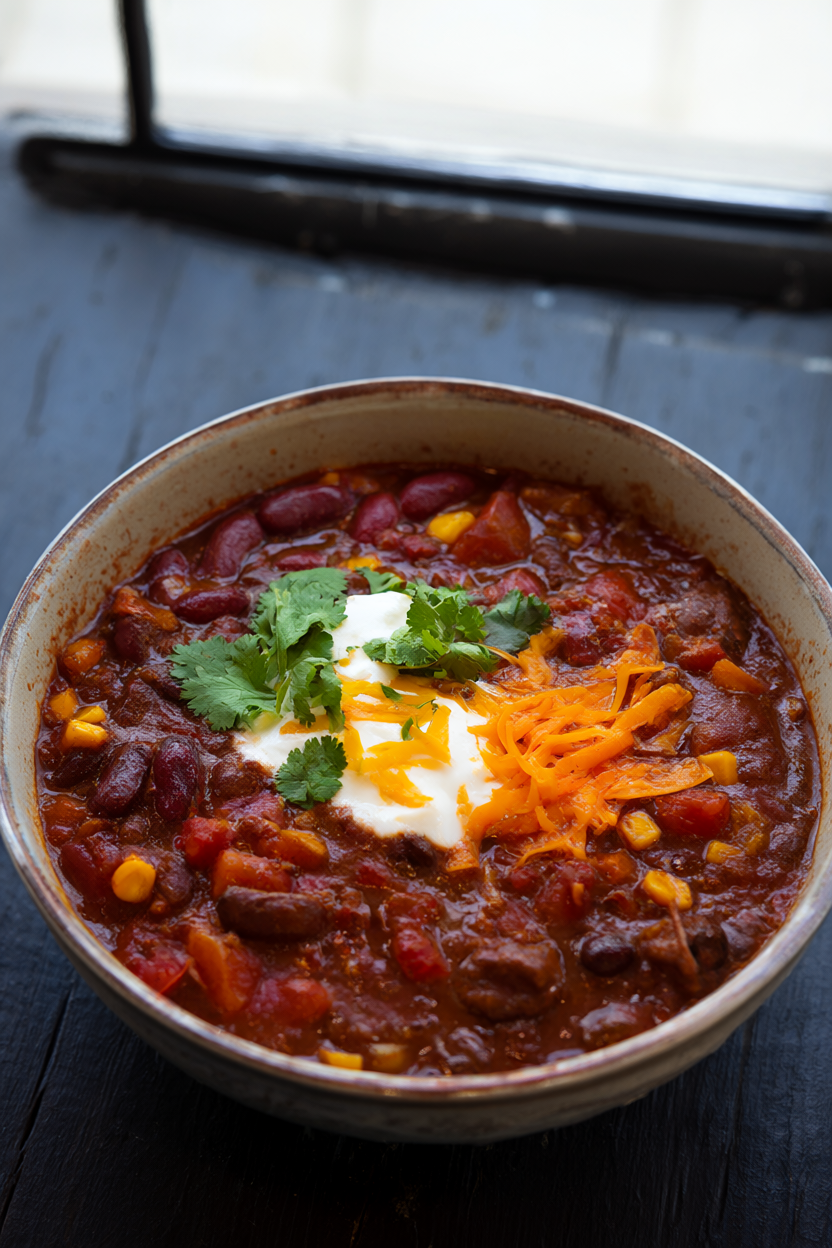
- Chili freezes beautifully and doubles as a topping for baked potatoes, rice bowls, or nachos.
- Doubling a recipe costs only a little more and buys you a whole night off from cooking.
What Freezes Well (and What Doesn’t)
Most cooked foods freeze beautifully, but watery raw vegetables never quite forgive a trip through the freezer — they thaw limp and mushy. Here is the quick breakdown of what to reach for and what to leave out.
- Cooked grains like rice and quinoa
- Pancakes, waffles, and muffins
- Soups, stews, chili, and most casseroles
- Already-frozen peas, corn, and spinach, ready to toss into any dish
- Lettuce, cucumbers, and radishes turn mushy — keep those for fresh salads instead
A good rule of thumb: if you would serve it cooked or saucy, it probably freezes well; if you would serve it crisp and raw, it probably will not. Frozen peas and corn are just as good as fresh in cooked dishes, and they skip the chopping entirely.
Easy Tricks for Freezing and Reheating
A few small habits make frozen food taste like it was made yesterday instead of last month.
- Cool cooked food within two hours, then freeze it in single-meal portions so dinner thaws evenly.
- Leave about an inch of headspace in every container, because liquids expand as they freeze.
- Freeze soups and sauces flat in bags, then stack them like books to save shelf space.
- Cooked grains, pancakes, and muffins can be reheated straight from frozen — no thawing needed.
When hunger strikes, thaw a portion overnight in the fridge, or reheat it straight from frozen on the stove or in the microwave. Thick stews and chilis are happiest on the stove, while grains and pancakes are perfect in the microwave. Dinner is minutes away either way.
Label, Store, and Serve Your Freezer Meals
Future you will not remember what that mystery container holds, so label every container with the dish name and the date. Keep a simple inventory — a note on your phone or a dry-erase list on the freezer door takes less than a minute.
- Most frozen meals taste best within about three months; older is still safe, just a little tired.
- Rotate the oldest meals to the front so nothing gets forgotten.
- Finish a thawed meal with something fresh: chopped herbs, a squeeze of lime, shredded cheese, or a spoonful of sour cream.
- Pair soup with crusty bread, spoon chili over rice or a baked potato, and add a side salad for a no-fuss dinner.
Freezer meal prep is not about a picture-perfect pantry. It is about giving yourself a break on the nights when cooking is the last thing you want to do. Start with one double batch this week, label it well, and let the freezer carry a little of the load — your future Tuesday-night self will thank you.