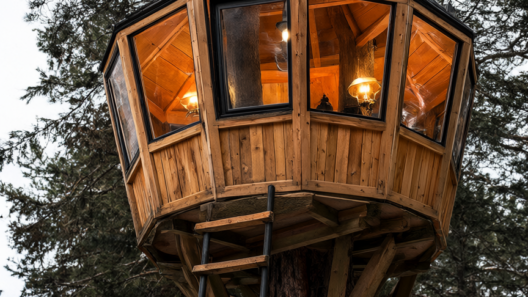
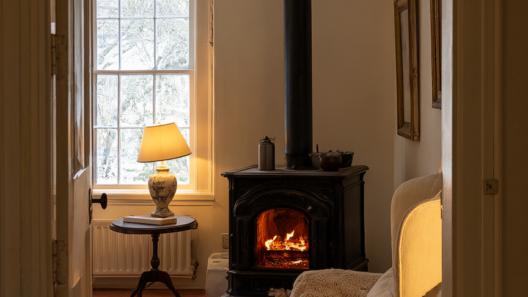
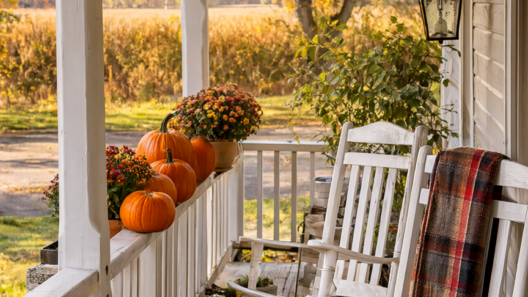
Some places settle into you before you even step inside. These twenty cabins glow out of pine forests, fog, lake rain, and deep snow, and each one keeps a small, useful idea tucked behind its door: a window seat built for watching weather, a porch wide enough for two chairs, a lantern that turns a path into an invitation.
The best part is that none of it needs a forest. A warm lamp by the door, a chair angled toward the view, a blanket where the light falls, a single painted shutter. The feeling travels well, and it usually costs less than a weekend away.
Scroll slowly. Let each scene do its work, decide which one you would move into, and take the idea home with you.
All photos in this gallery are AI-generated illustrations.
1. The A-Frame Glowing in the Pines
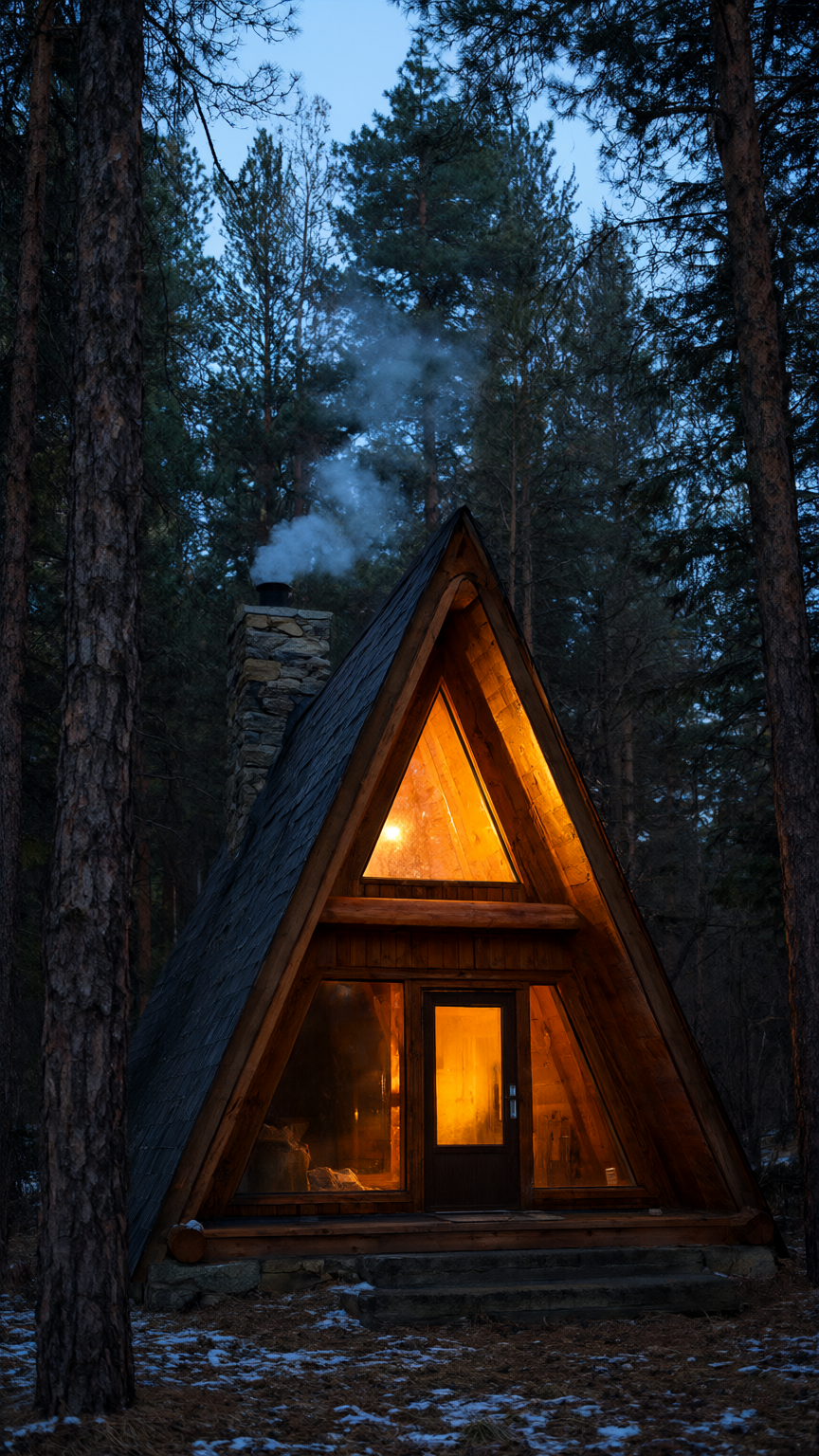
Stand at the bottom of the slope and the air is sharp with pine and cold stone. The A-frame rises out of the snow like a folded card, its windows gold against the blue hour, and the chimney sends a thin rope of smoke up. You would hear your boots creak, then nothing but the hush that snow lays over a forest. The door is close and the warmth behind it closer.
Borrow the idea of one tall triangle of light. A floor lamp in a corner, kept on a timer for the half hour before you get home, does something a ceiling fixture never will: it makes the outside look colder and the inside look wanted. Light low, light warm, and let a dark window do the rest.
2. A Green Roof Above a Still Lake
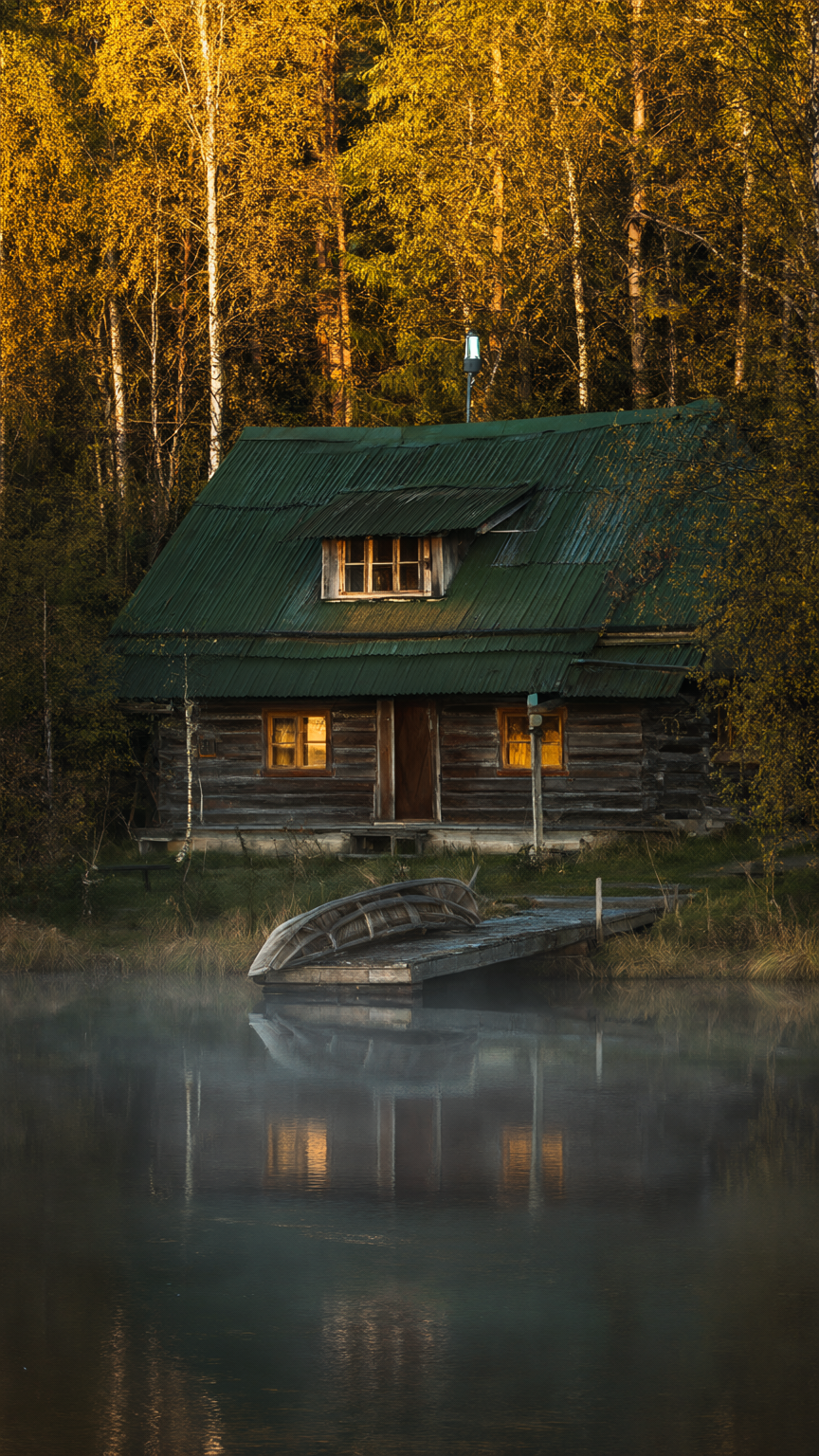
Morning here arrives in layers. Mist sits on the lake like a held breath, the birches have gone the color of weak tea, and the green metal roof is the only hard edge in sight. An upturned canoe waits on the dock, and the water is so still that the cabin seems to own two front doors, one of them upside down.
The practical idea is the canoe itself: one object, left out on purpose, doing quiet decoration. At home it might be a wooden paddle over a doorway, a canvas bag by the door, a pair of boots that are actually used. Objects that suggest the life you live on the water, or wish you did, warm a room faster than anything new.
3. The Stone Cottage in the Meadow
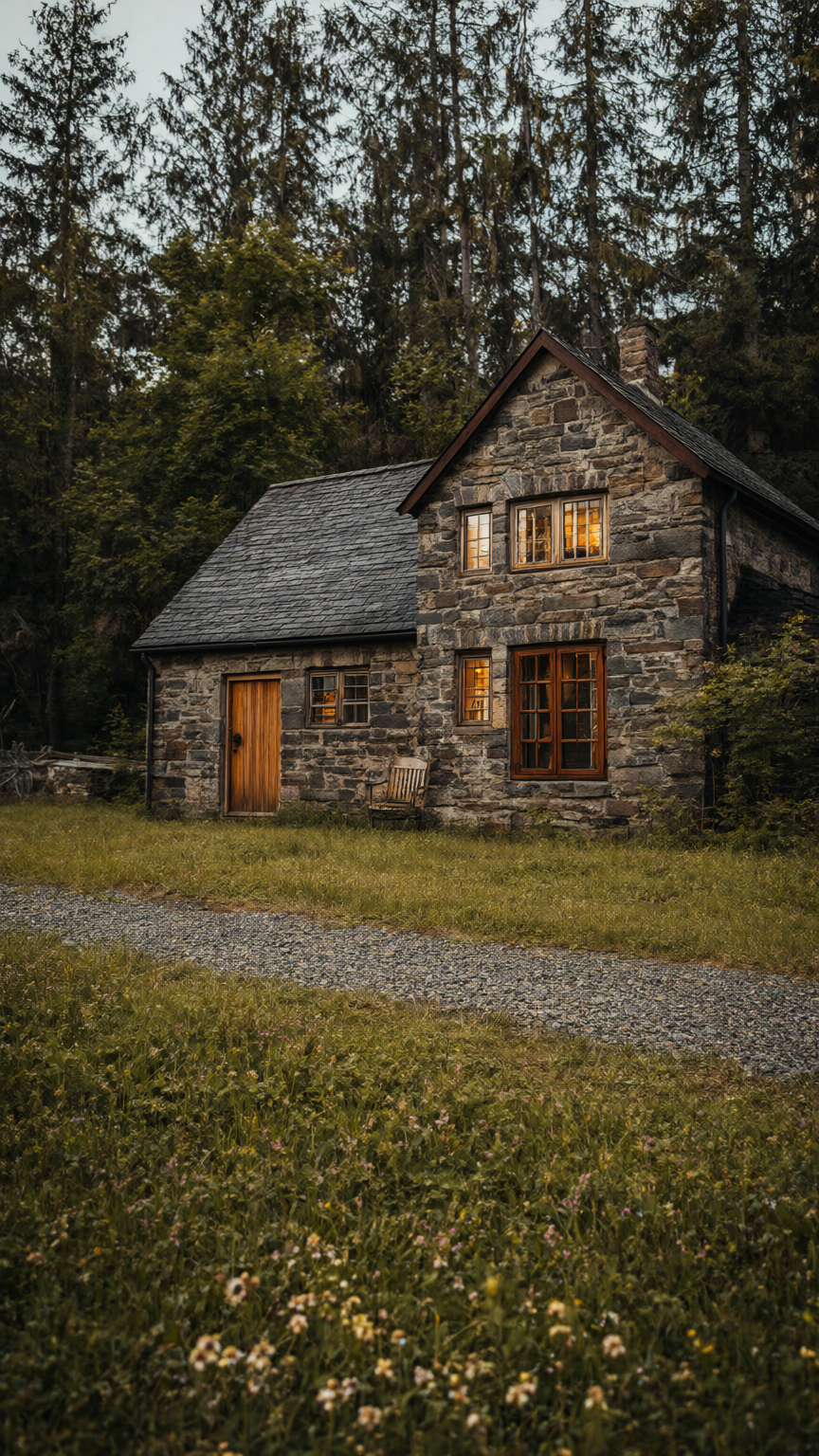
The meadow comes right up to the walls, and the cottage sits low, as if it settled into the grass on purpose. Slate roof, small windows, a gravel path that sounds like a whisper underfoot. Bees work the flowers, and the pines behind hold the dark. You would feel the urge to sit on the step and do absolutely nothing for an hour.
Steal the low profile. If a room feels like it is shouting, drop the eye line: a long low bench, a table at knee height, a shelf that runs instead of rises. Leaving the top third of a wall quiet makes a small room feel settled rather than squeezed, and it costs nothing but restraint.
4. Two Chairs on an Autumn Porch
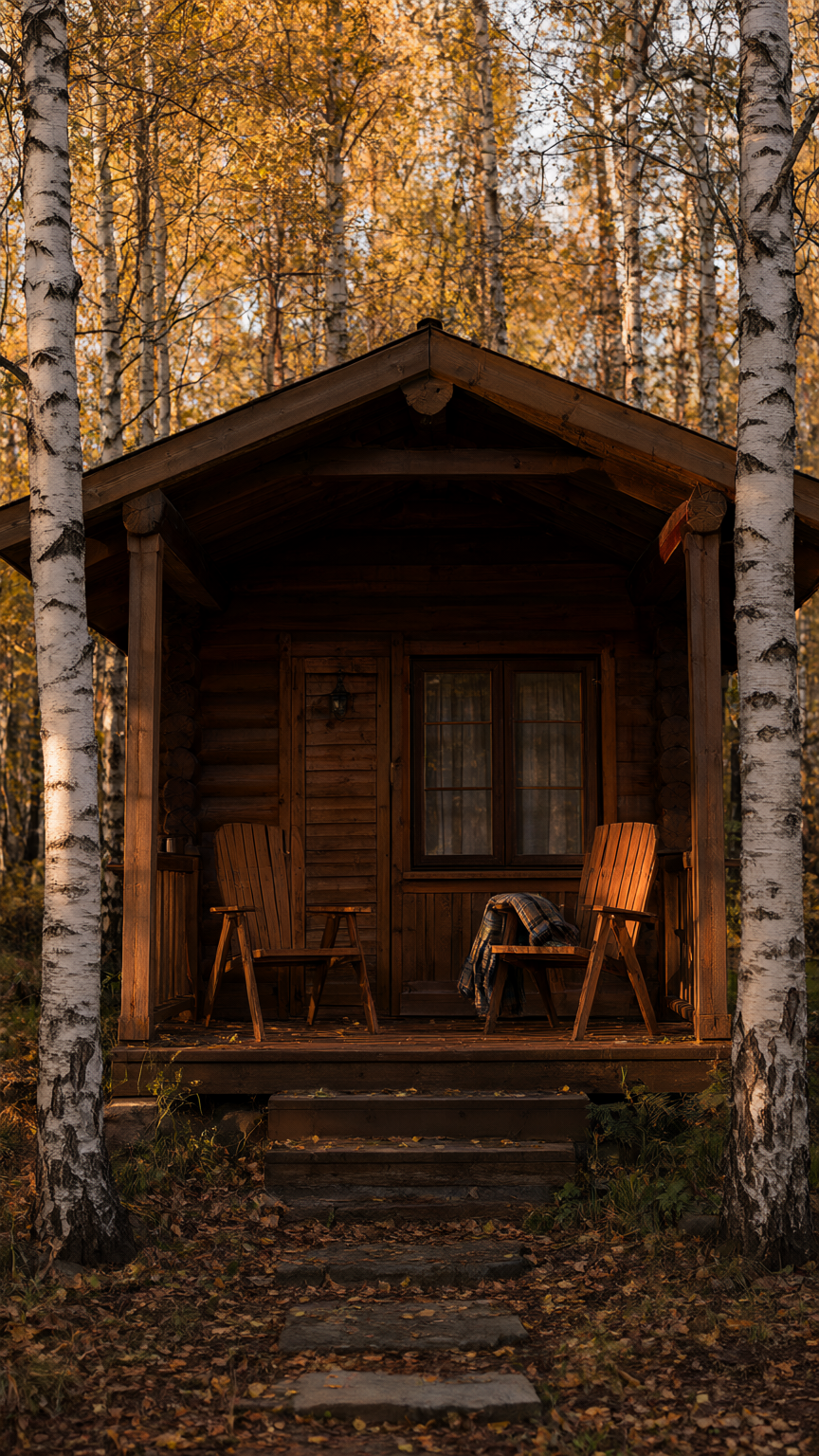
This porch has one job and does it well. Two wooden chairs face the birches, a plaid blanket is thrown over one arm, and the leaves are doing that gold thing they do for about nine days a year. The air would smell of dry leaves and cold wood. Nobody is talking. The kettle is probably just inside.
Borrow the two chairs. Not a sofa, not a bench built for a crowd: two chairs, angled toward something worth looking at, even if that something is a single tree. It turns a porch, a balcony, or the end of a kitchen into a place where a conversation can happen by accident.
5. Under the Northern Lights
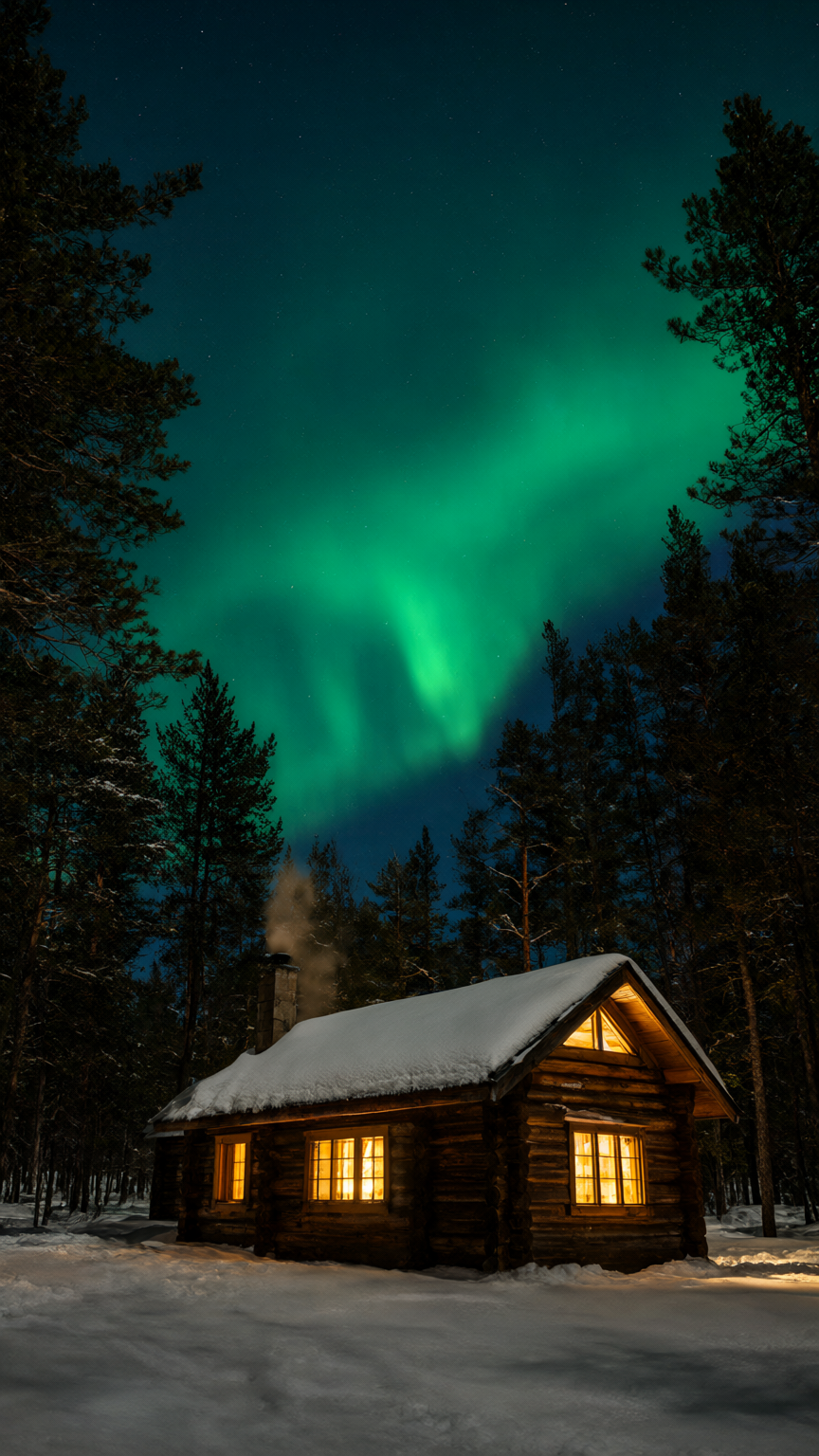
The aurora does not arrive so much as bloom. Green light unfolds over the pines, and under it the cabin burns amber, every window a small fire. Snow is deep enough to swallow sound. You would stand outside far longer than is sensible, neck bent, breath clouding, waiting to see whether the sky does it again.
The idea worth taking home is contrast. A dark room is not a gloomy room if one warm pool of light is placed deliberately in it: a candle cluster, a low lamp, a string of bulbs over a shelf. Let the rest stay dim and the corner you light will feel twice as bright and twice as kind.
6. A Red Door in the Rain-Soaked Woods
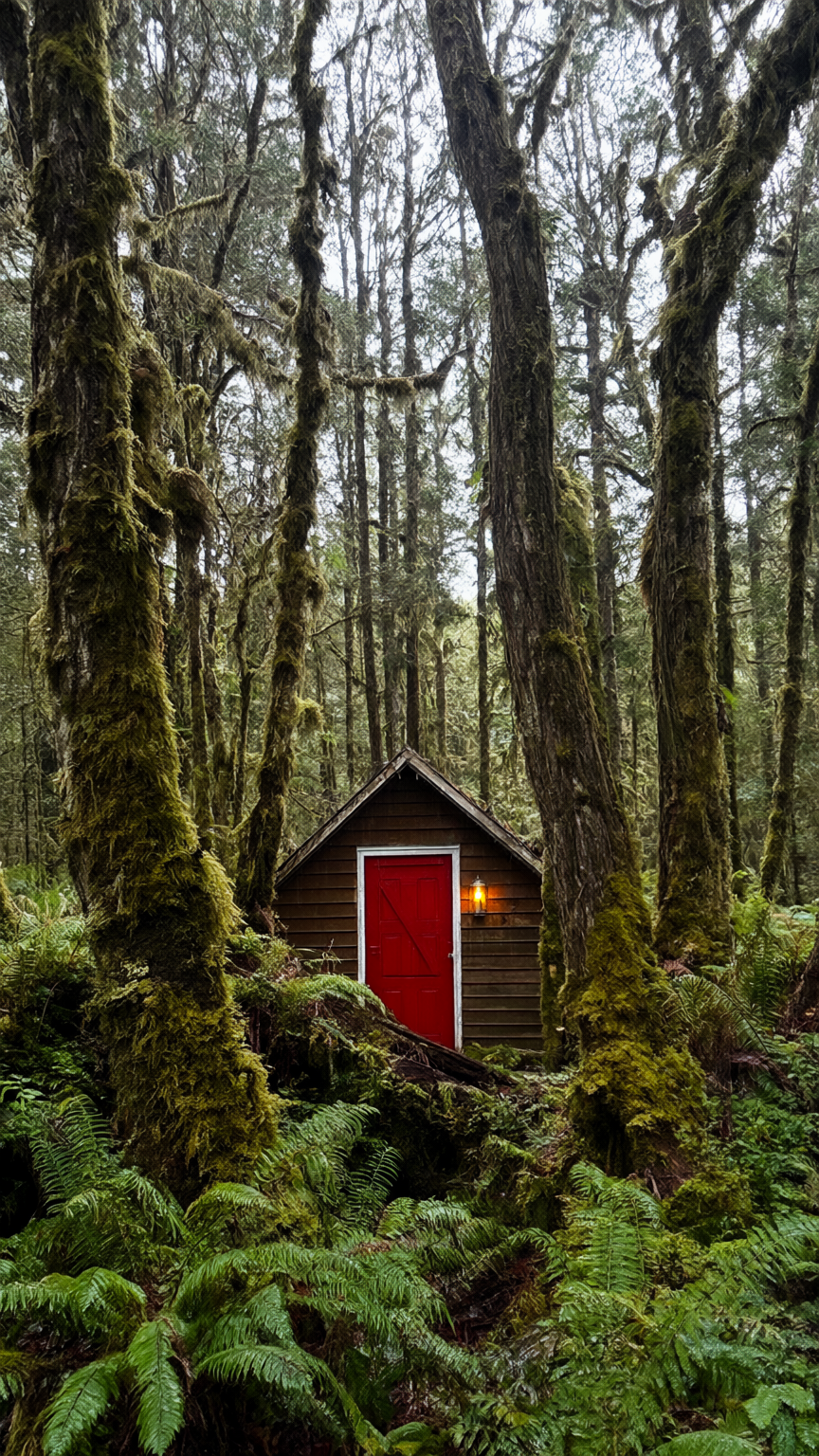
It rains here in the way that makes green things enormous. Moss climbs the trunks, ferns unroll at ankle height, and the cabin sits among it all in dark wood, its red door the only warm decision in a hundred shades of wet green. A lantern is already lit. You would hear water dripping off leaves long after the rain stops.
Try a single painted door on the inside. One saturated color, on a door or a cabinet or the back of a bookshelf, gives an otherwise quiet room a pulse. In these gray, rainy months it is the cheapest cheer there is, and you only need a quart of paint and one free afternoon.
7. The Island Cabin at the End of the Bridge
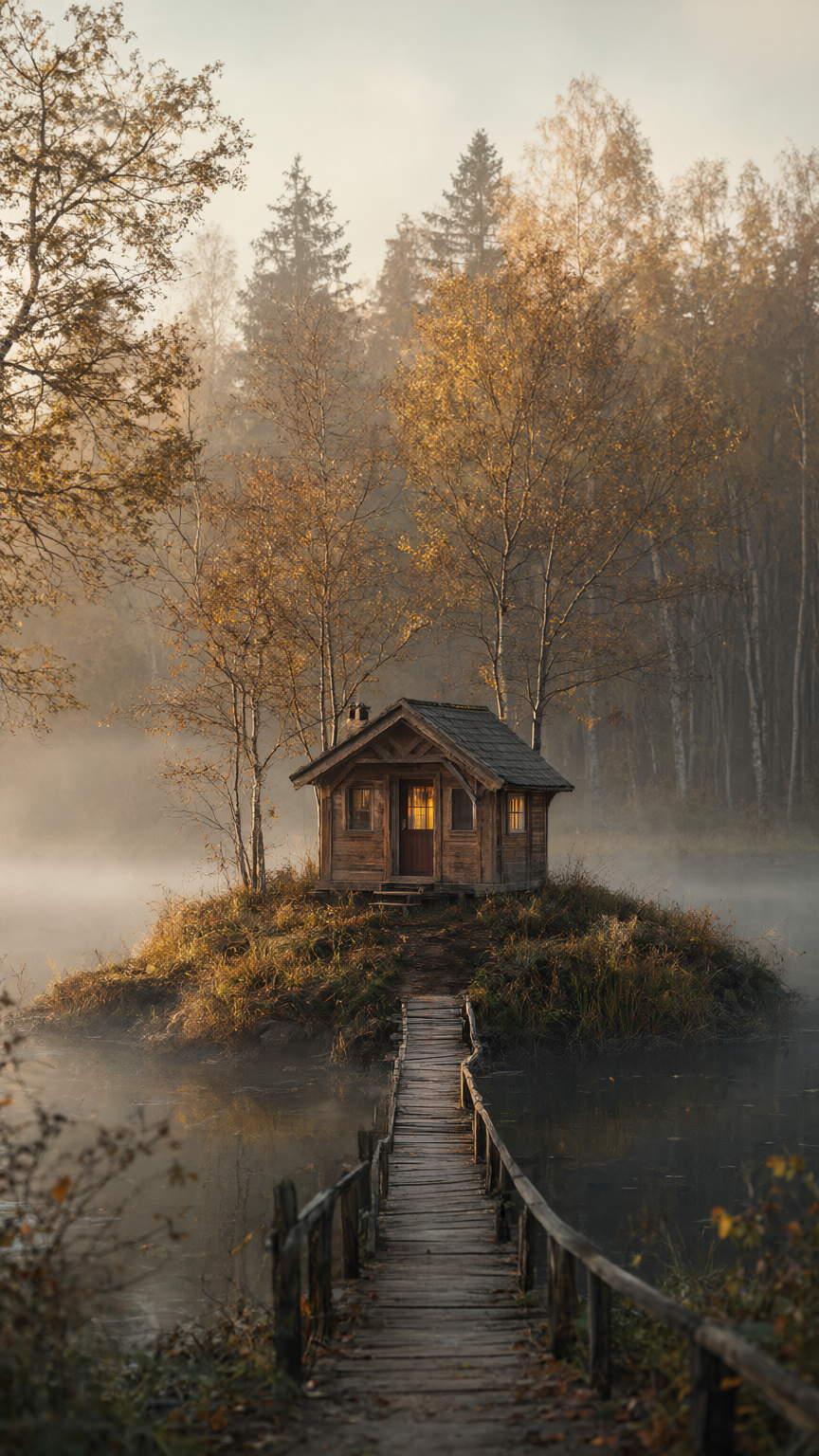
Walking the footbridge would be the best part. Planks under your feet, mist gathering on the pond, the cabin small and warm at the far end with one window awake. The birches on the shore are gold and the water is holding still. Every step makes the island a little more real, and the world behind you a little less.
Borrow the idea of a threshold. Even in a small home, a deliberate change of surface, a runner, a mat, a step, a curtain, marks the move from one mood to another. Make the last three feet before a room feel different and the room itself arrives with more weight.
8. A Cabin Where You Hear the Creek
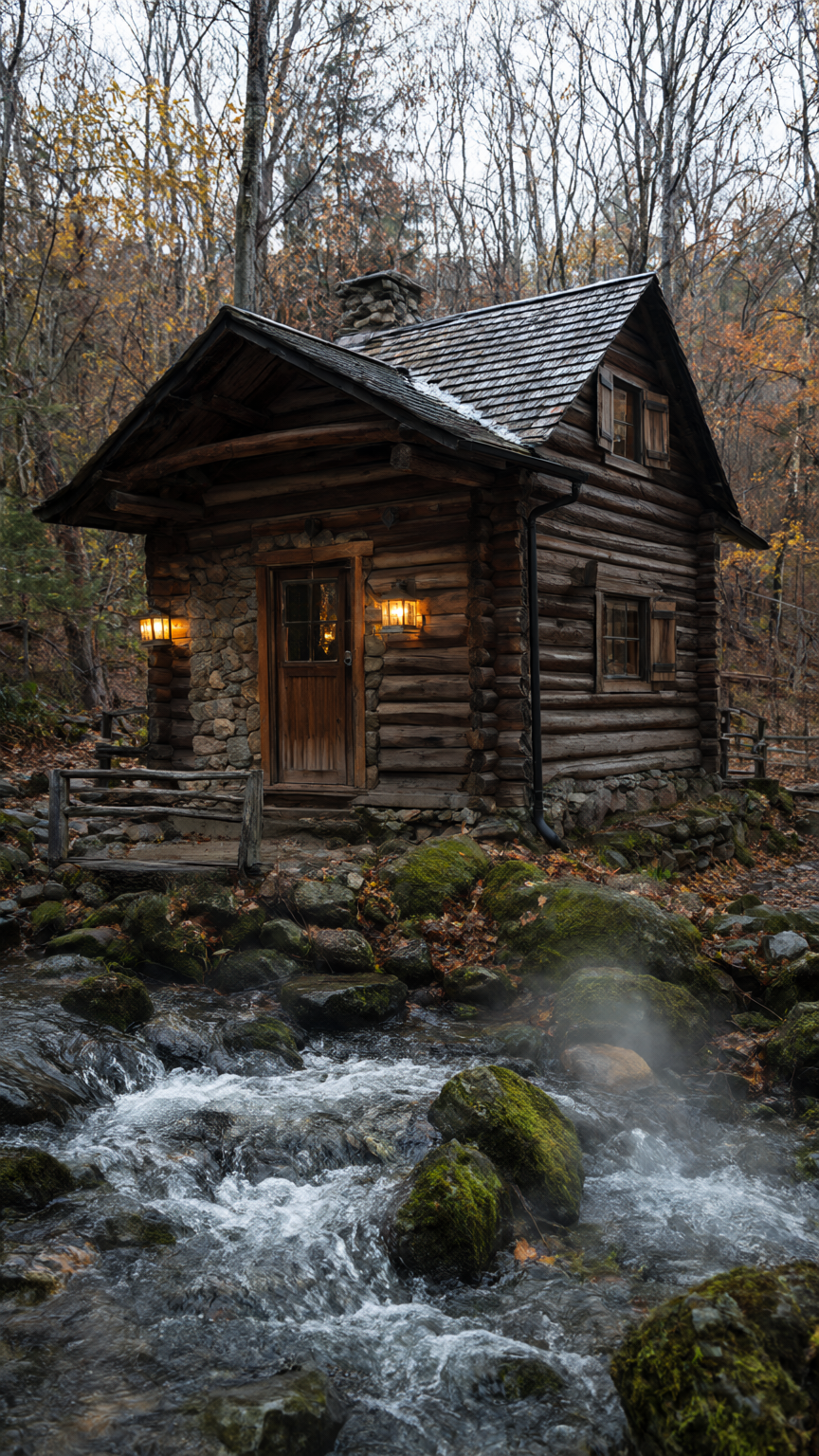
The creek is the loudest thing for miles. Water pushes over mossy rocks in a steady rush, steam drifts off the surface, and the cabin holds its ground with timber and stone, two lanterns glowing by the door. The woods are soaked, the light is flat, and everything smells of wet leaves and cold mineral water.
Take the sound home. A small indoor fountain, a bowl under a dripping tap, or a recording of moving water can do more for a room’s mood than another cushion. Put it where you sit still, near a window with something green outside, and let it cover the noise of the street.
9. A Treehouse Made for Autumn Evenings
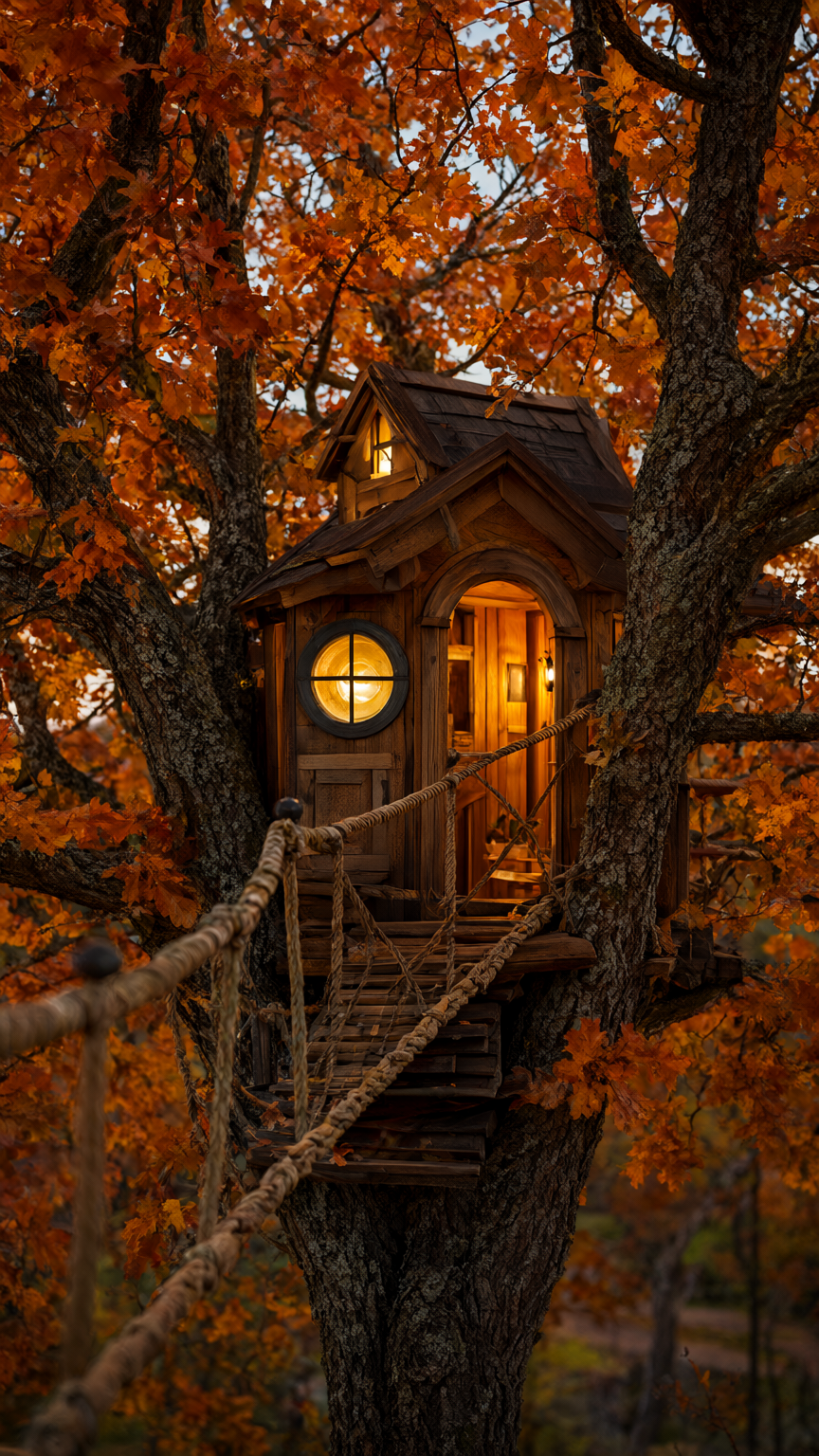
You would cross the rope bridge slowly, hands on the rails, leaves shifting under the platform. The treehouse cabin wears a round window that glows like a lantern, and the branches around it are orange and gold. Below, the ground is a long way down. Above, there is a lot of sky and a warm room with an open door.
The round window is the lesson. One unexpected shape breaks a room full of right angles: a round mirror, a circle of light from a pendant, an arched lamp. You do not need more furniture; you need one shape that the eye can follow around a corner.
10. The Hillside Hideaway in the Fog
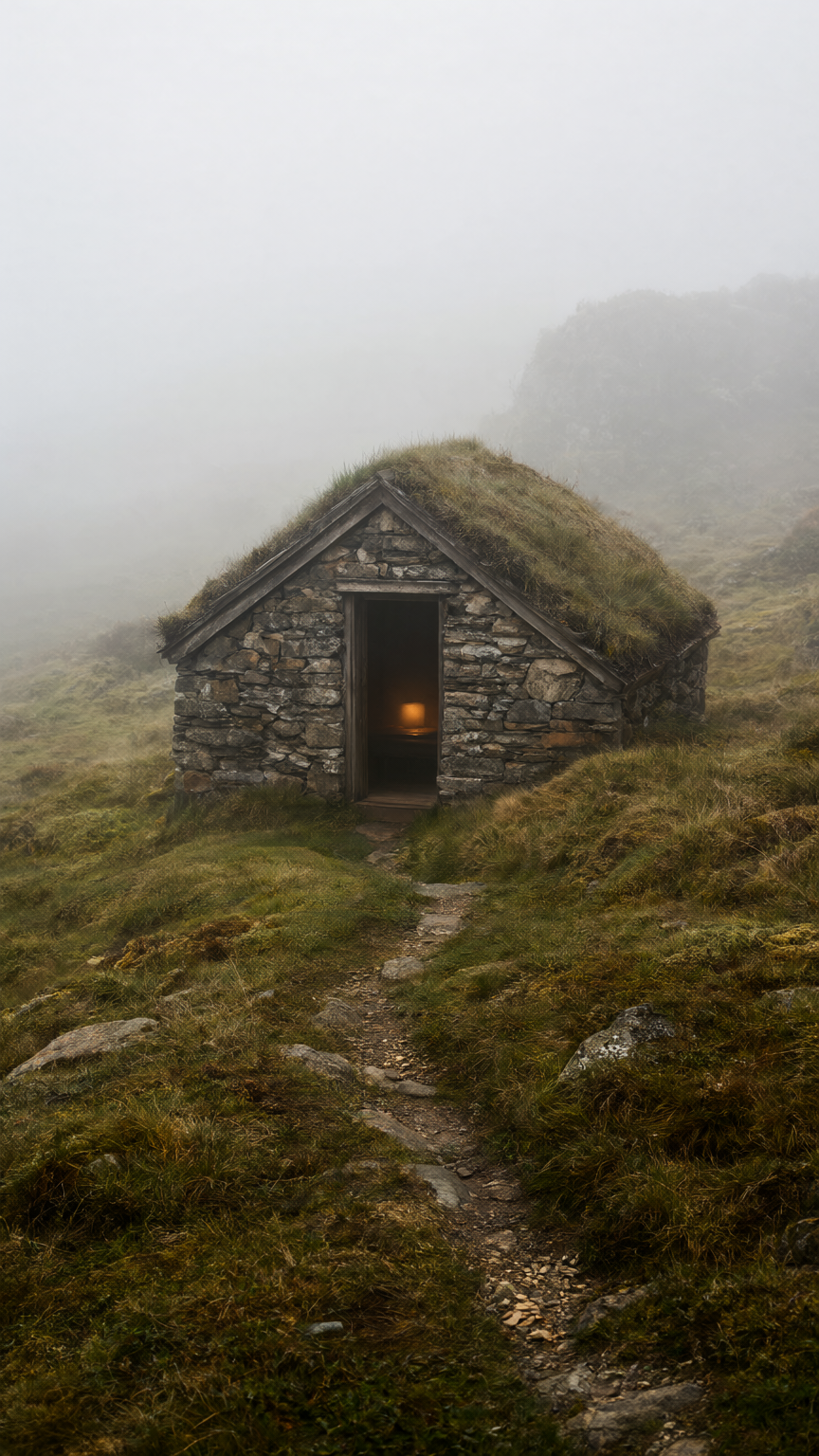
The hillside is fog all the way up, soft and green and slightly unreal. The cabin sits in it with a roof of living grass, a low doorway leaking gold, and a path that appears and disappears in the mist. You would climb the last stretch with wet boots, happy, following the light like a rumor.
The takeaway is a roof that belongs. You cannot grow grass on an apartment, but you can put something living where your eye lands when you enter: a shelf of trailing plants at the top of a doorway, a vine across a window. Green above eye level makes a room feel rooted rather than boxed.
11. Blue Shutters and a Rainy Lake
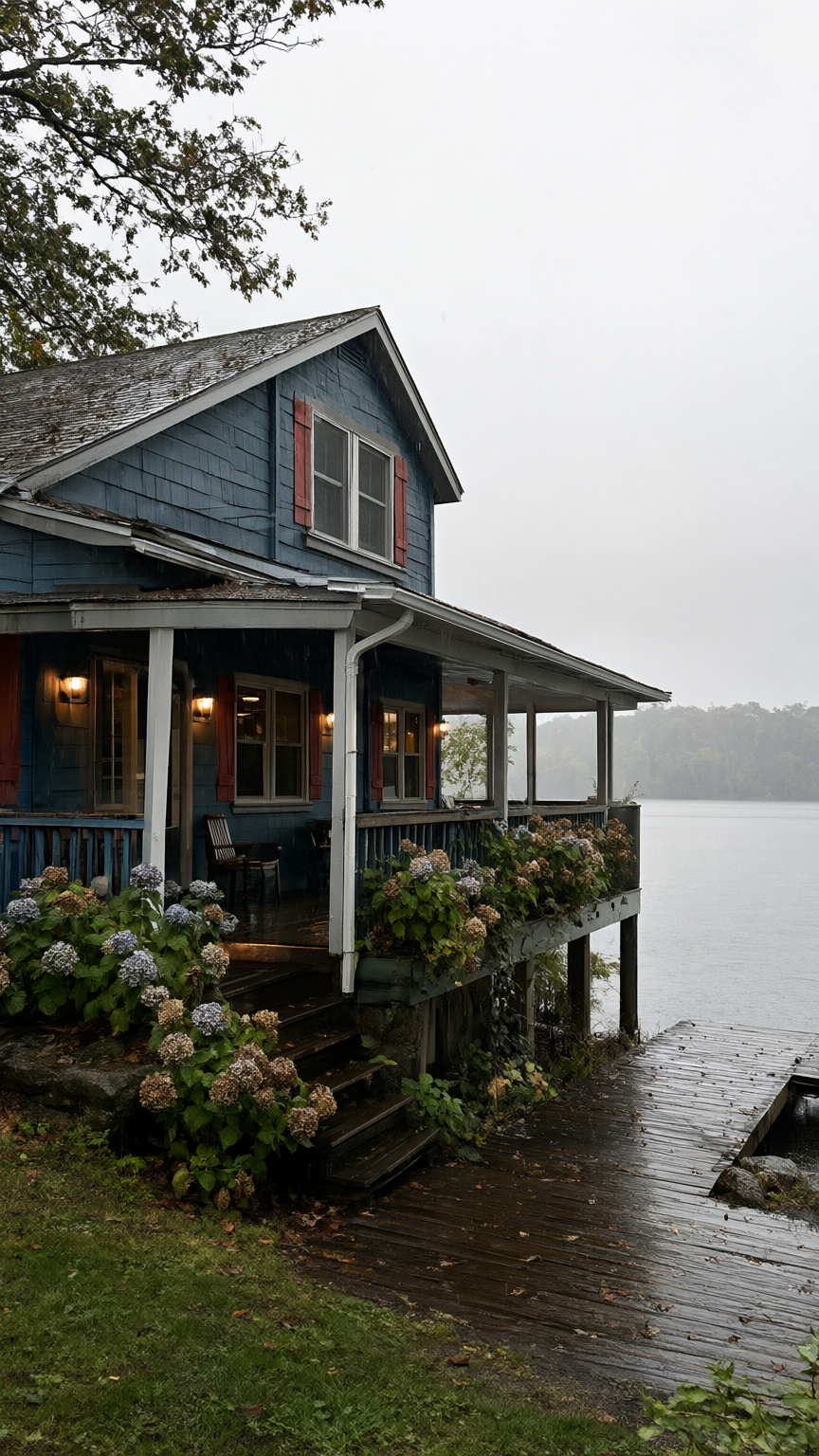
Rain on a lake is a specific pleasure. It dims the water to silver, drums lightly on the porch roof, and makes the red shutters look brighter than they have any right to. Hydrangeas lean over the railing, the dock is wet and empty, and inside the windows are the color of butter. Nobody is going anywhere, and nobody minds.
Steal the shutter trick: a strong, small accent against a patient background. Paint one set of shelves, one window frame, one strip of trim in a color you love, then leave the walls quiet around it. In gray weather, that one bright line does the work of a whole room of color.
12. Orange Shutters in the Blue Twilight
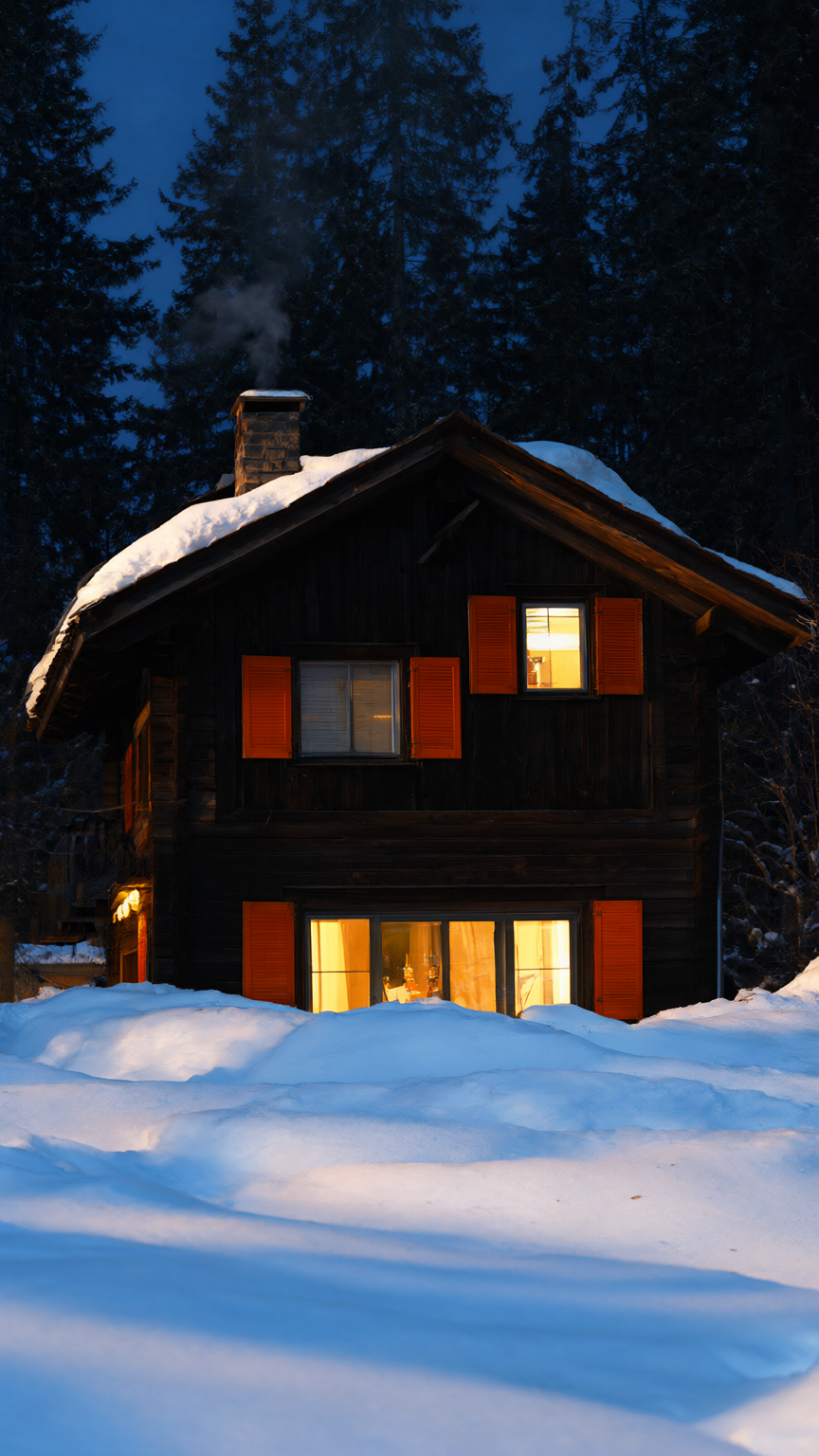
Twilight in deep snow is blue, and against it those orange shutters look almost lit from within. Snow sits thick on the roof, smoke leaves the chimney at an angle, and the windows are gold. It would be the kind of cold that makes your face ache, and the kind of door you are very glad to close behind you.
Borrow the idea of the warm edge. In winter, keep one warm light near a cold window: a small lamp on the sill, a candle in a hurricane glass, a string of bulbs along the frame. The contrast between the blue outside and the gold edge is what makes a room feel like shelter.
13. The Old Mill Cabin by the Falls
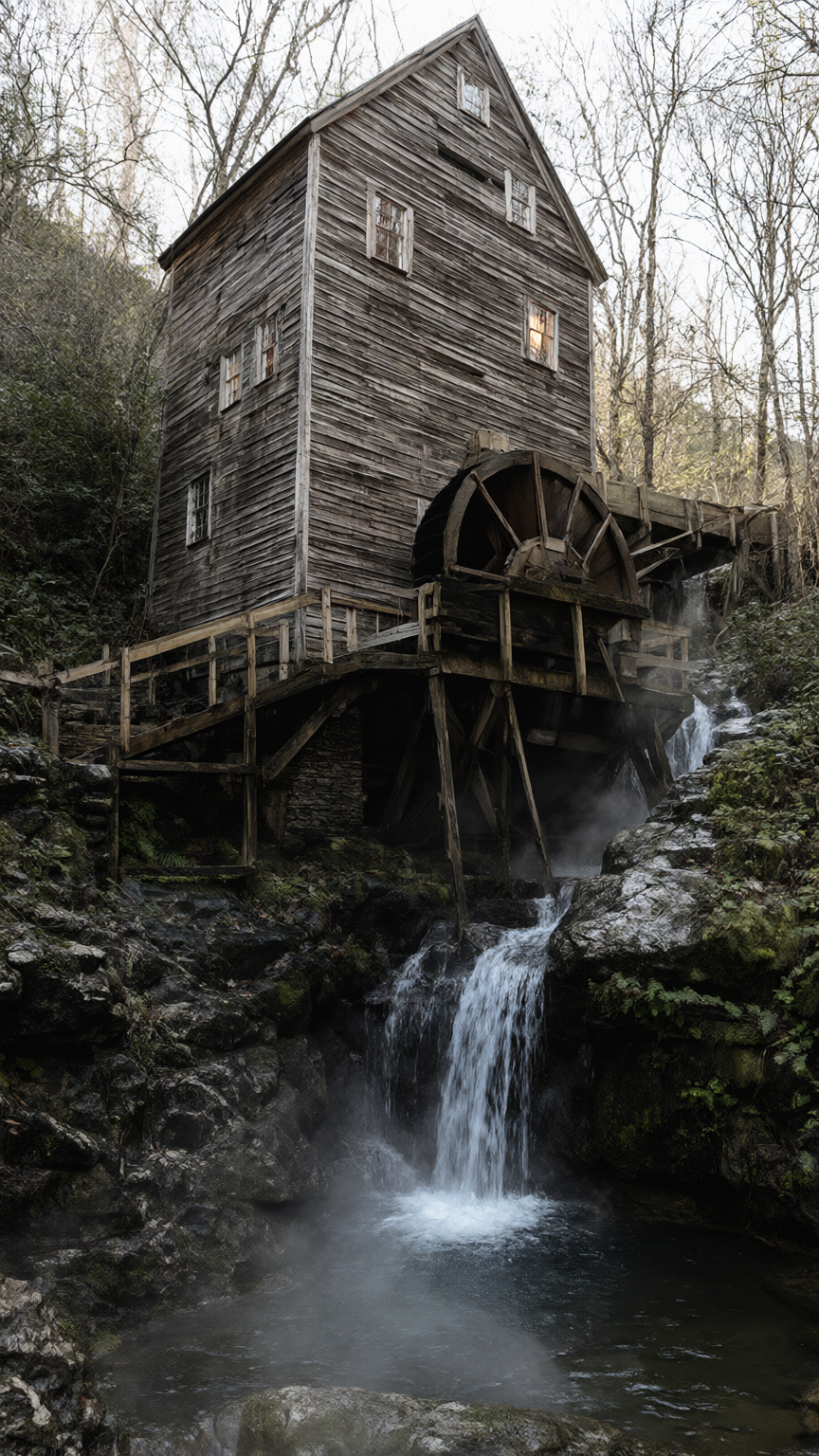
Water has been working here for a long time. It slides over the rocks, gathers in a misty pool, and turns the old wooden wheel on the side of the mill without any hurry at all. Moss holds the stones together; one small window is warm. You would stand on the bank a while, watching the wheel do its ancient, patient job.
Take home the idea of visible motion. A clock with a swinging pendulum, a mobile near a window, a plant that moves in the draft, something that shifts when the air does. A room with one moving thing in it feels alive in a way that a room full of still decor cannot.
14. A Glass Sunroom Full of Plants
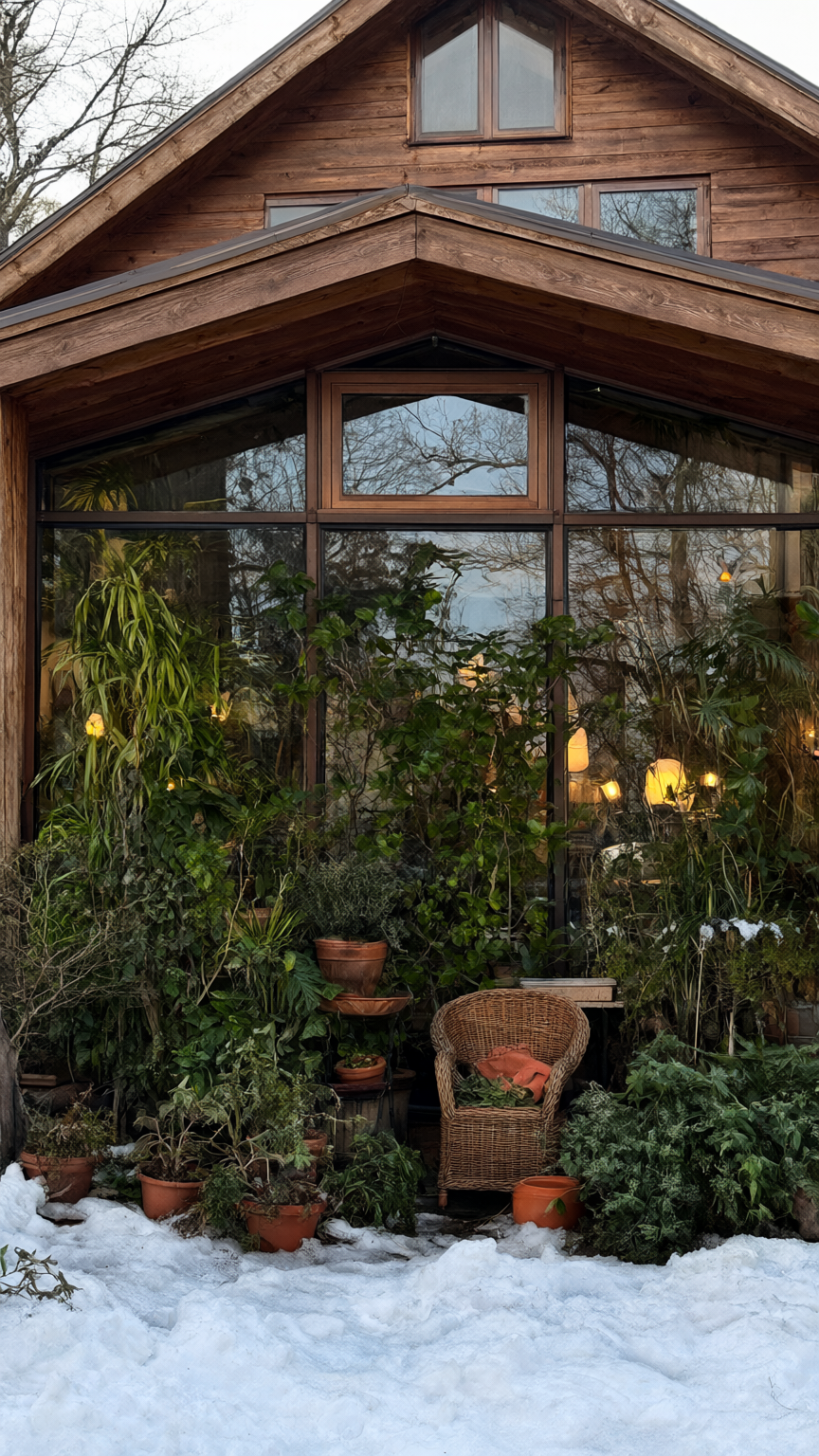
The sunroom is a greenhouse you can sit in. Green leaves press close to the glass, terracotta pots line the floor, and outside the snow is piled on the garden in soft white mounds. A wicker chair waits with a cushion. Inside it would smell of soil and warm dust, and the light on a winter afternoon would be thin and gold.
The idea to borrow is a winter corner: put your plants together in the one place you sit in the cold months, and give them the best light in the house. Grouping them makes a microclimate and a view. Add a chair that faces them, and you have a sunroom the size of an armchair.
15. Steam Rising Between the Aspens
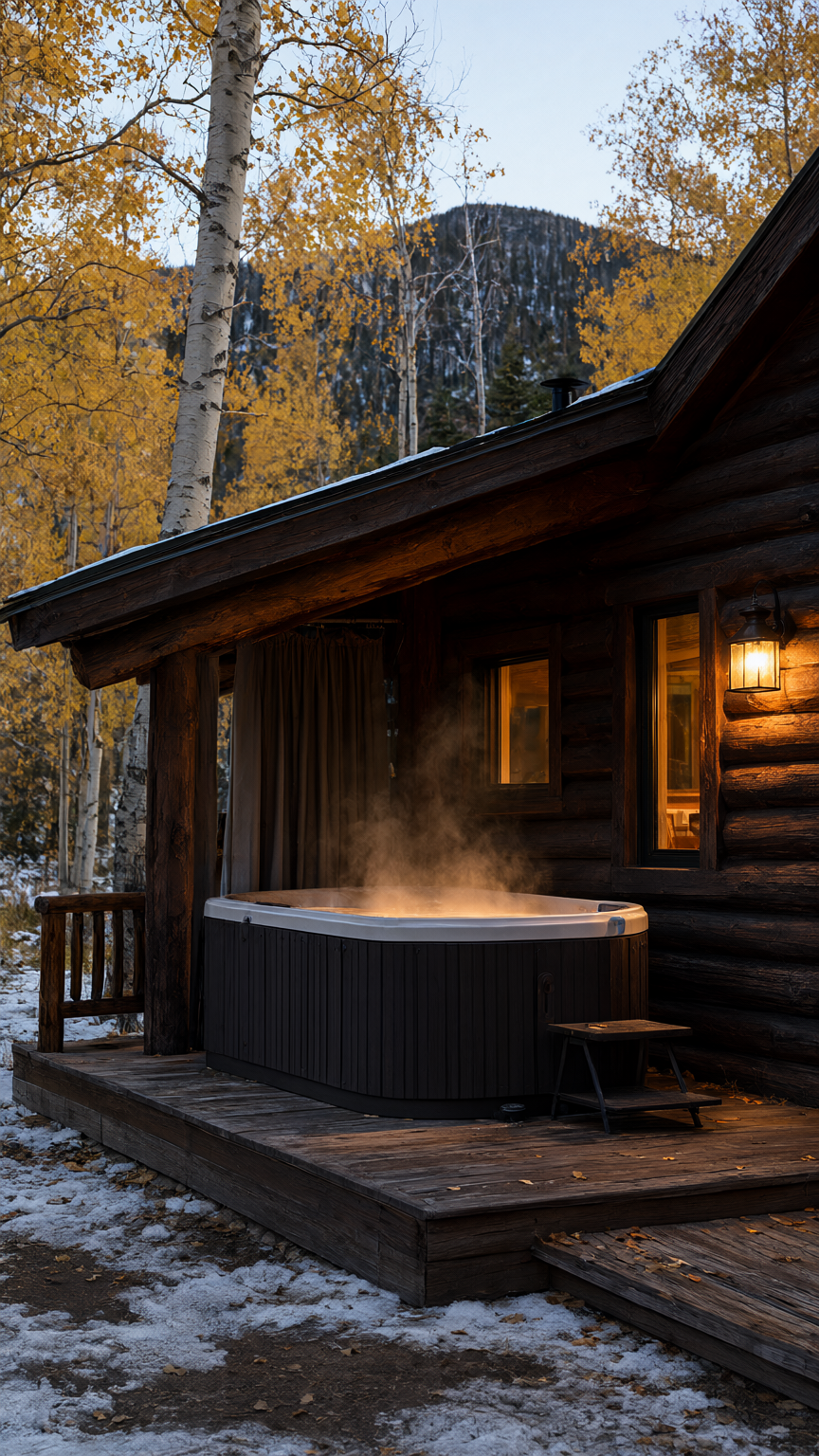
The aspens are gold, the ground has its first thin snow, and the hot tub sends up a column of steam that looks like the cabin is breathing. You would step in with the cold on your shoulders and stay until your fingers went soft, watching the steam meet the blue dusk and the mountain go quiet behind it.
Borrow the transition. At home, the thing that makes a bath or a shower feel like a retreat is what happens just before and just after: a warm towel within reach, a place to sit, a lamp instead of a harsh light. Build the edges of the ritual and the middle takes care of itself.
16. A Window Seat Made for Snow Days
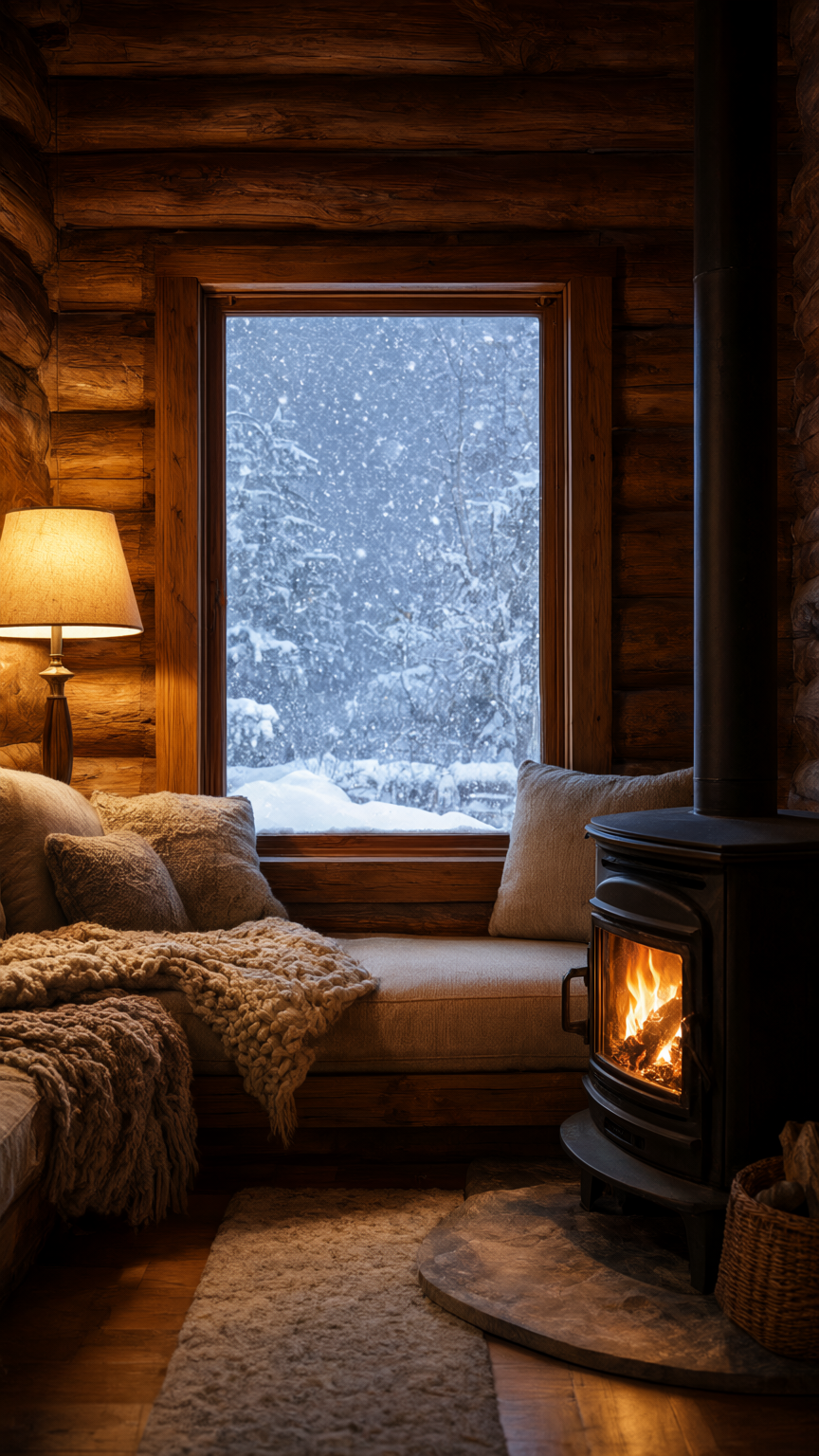
Snow is falling in the slow, serious way that means it will still be falling at dinner. The window seat is deep enough to curl into, the knit blanket is thick, and the stove glows at the edge of the room. You would put a hand on the glass, feel the cold, then pull the blanket up and read four pages before falling asleep.
The practical idea is a seat at the window. If you do not have a built-in, a bench, a low chest, or even a wide sill with a cushion will do. Facing outward is the point: it gives a small room a view and a purpose, and gives you a reason to sit still for ten minutes.
17. A Round Cabin Deep in the Pines
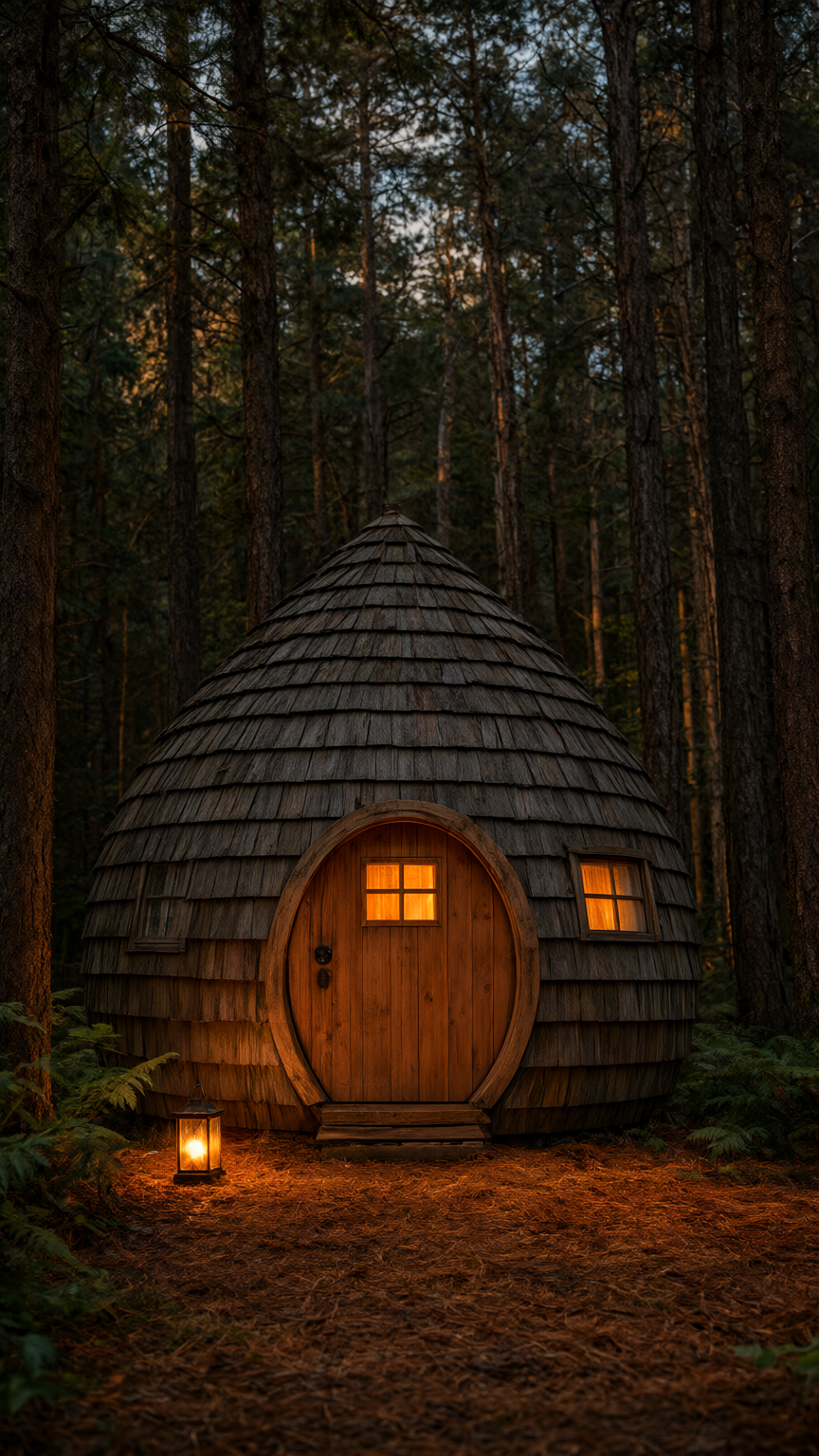
The pines go up and up, and the cabin sits round and small at the bottom of them, shingled in cedar and capped with a cone of roof. Pine needles soften the ground, a lantern burns beside the curved door, and the dusk is that cool green that forests get before dark. It would feel like a story someone told you as a child.
Borrow the curve. One rounded thing softens a whole room: a circular table where the square one was, an oval mirror, a chair with a barrel back, even a rug with a curved edge. Straight lines do the work; one curve does the welcome.
18. Tucked Beneath the Rock and Waterfall
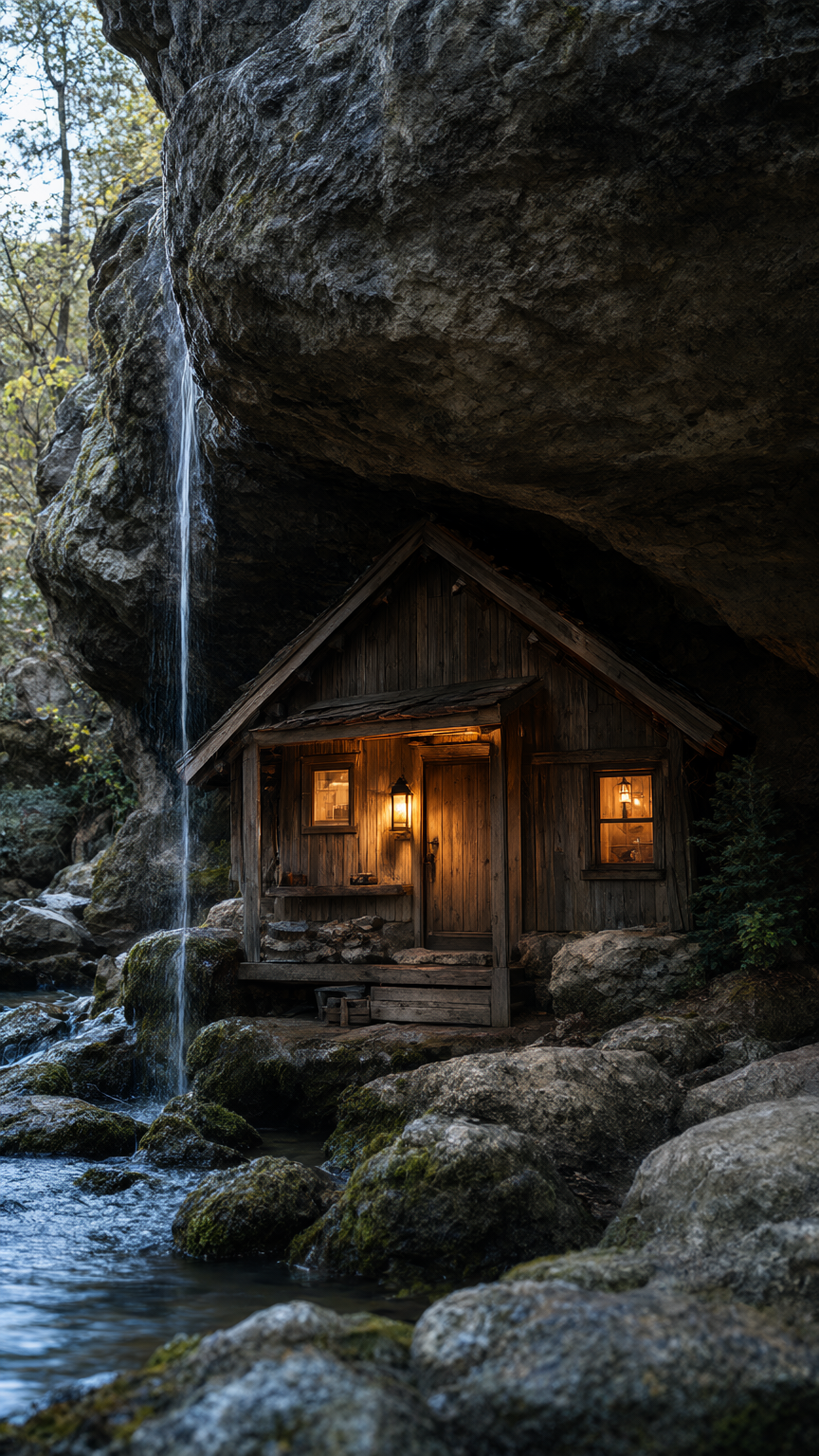
The rock overhang is enormous and the cabin is not. It sits under the stone lip like something the cliff agreed to shelter, a thin waterfall dropping beside it in a bright thread. Everything is damp and cool and blue, except the windows, which are amber. You would whisper there without deciding to.
Take home the shelter idea. A room feels safer with something above it and something behind it: a low ceiling over a bed, a bookcase wall behind a chair, a sloped ceiling in an attic corner. Position one seat so the room is at your back and the view is in front, and watch how quickly it becomes the favorite.
19. Lanterns Along the Stone Path
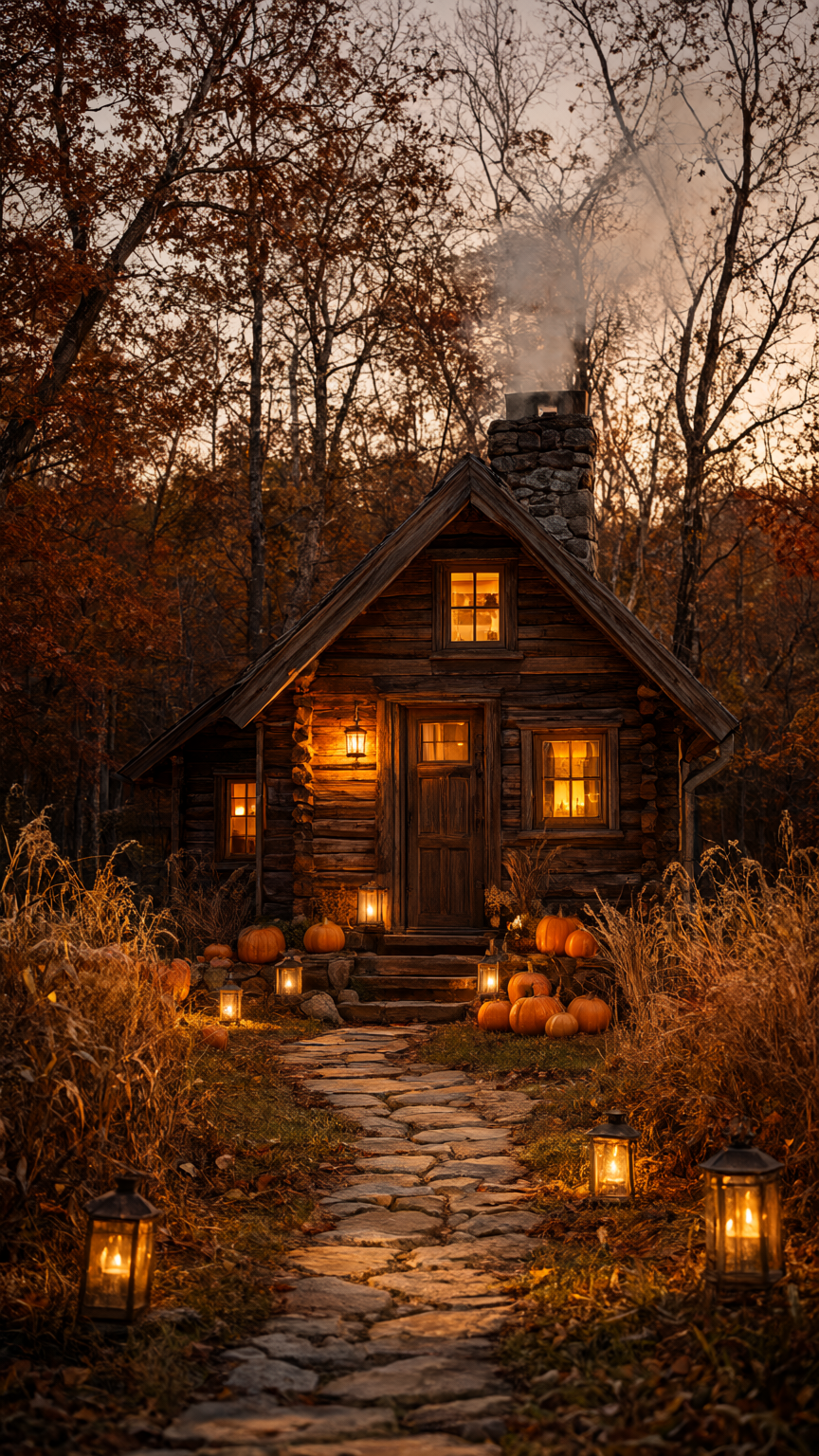
Dusk in late autumn does something particular: the light goes amber and the air gets a bite. Lanterns line the stone path in small warm pools, pumpkins and dry grasses sit by the steps, and the cabin at the end sends up a thin smoke. The walk would be short and you would take it slowly anyway.
Borrow the path. A line of small lights along a walk, a hallway, or the edge of a balcony turns arrival into an event. Solar stakes, battery lanterns, or a strand of warm bulbs on low hooks all work. The point is not brightness; it is rhythm, one small glow after another leading somewhere.
20. The Loft Above the Crackling Fire
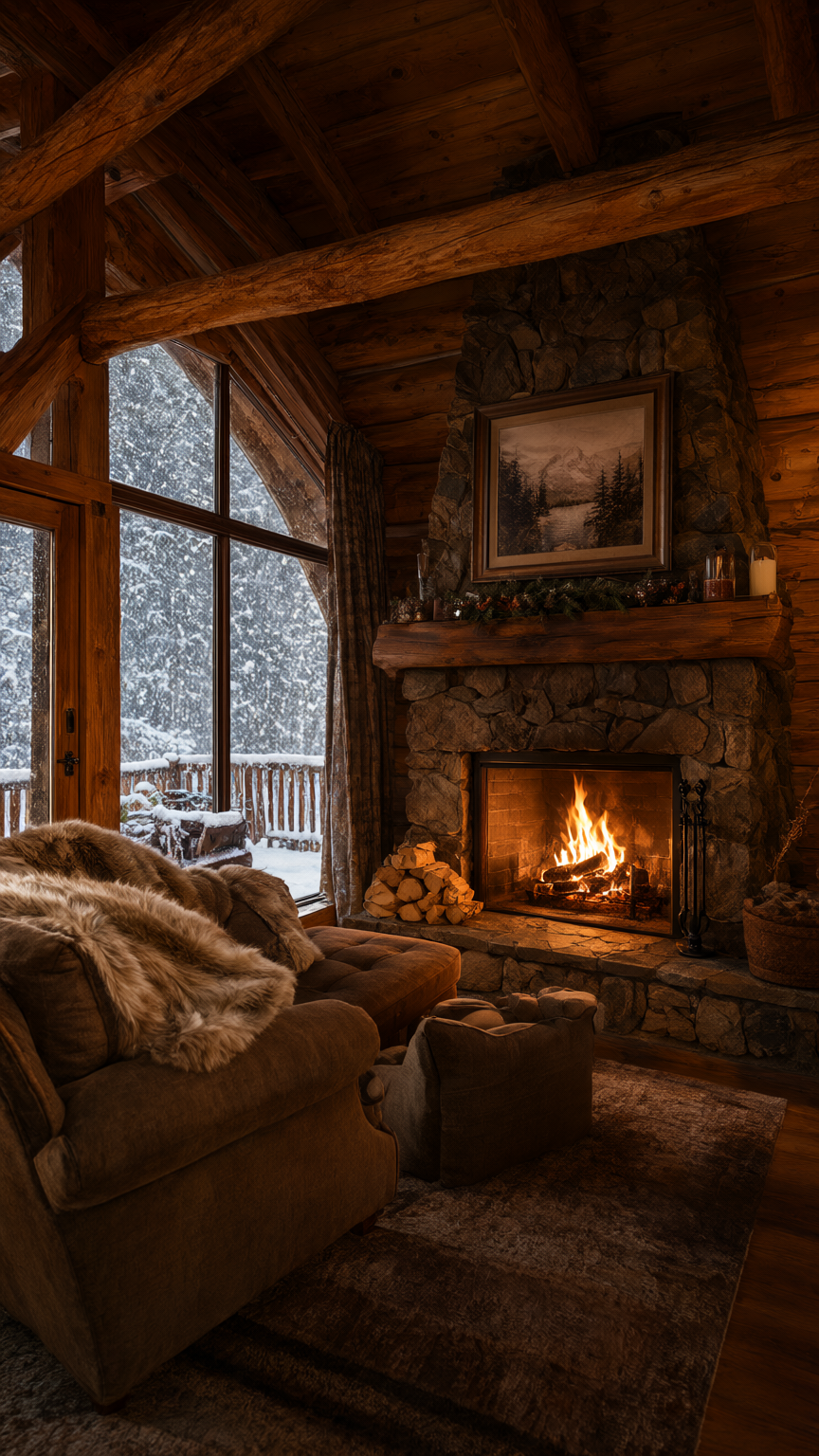
Up in the loft, the beams are close and the fire is below, and you can hear it settle and shift. A deep armchair holds a fur throw, the tall window is full of falling snow, and the light in the room is all orange and shadow. It is the kind of place where you sit down for a minute and lose the evening.
Take home the vertical idea: let one tall element hold a small room together. A tall lamp, a narrow bookcase, a long curtain from ceiling to floor, a mirror that goes up rather than across. Height draws the eye up and makes a low room feel generous instead of cramped.
So which one would you move into? The island cabin with the footbridge, the treehouse with the round window, or the loft where you can hear the fire? I would take the sunroom with snow on the glass, no contest. Whichever one you chose, there is a piece of it you can make at home this weekend. Come back for the next gallery. There are more doors to open.