Some nights dinner should feel like a small victory, not a sink full of pans. Sheet pan dinners are that shortcut: one pan, a hot oven, and about half an hour. They are especially good in late summer and early fall, when tomatoes are sweet, broccoli is crisp, and carrots still taste like something. It is the kind of dinner that works on a Tuesday and still feels like a treat on a Sunday. The formula below is less a recipe than a way of thinking, so you can use what looks good at the market and still land a dinner that is balanced, colorful, and genuinely delicious.
Why the Three-Part Sheet Pan Formula Works
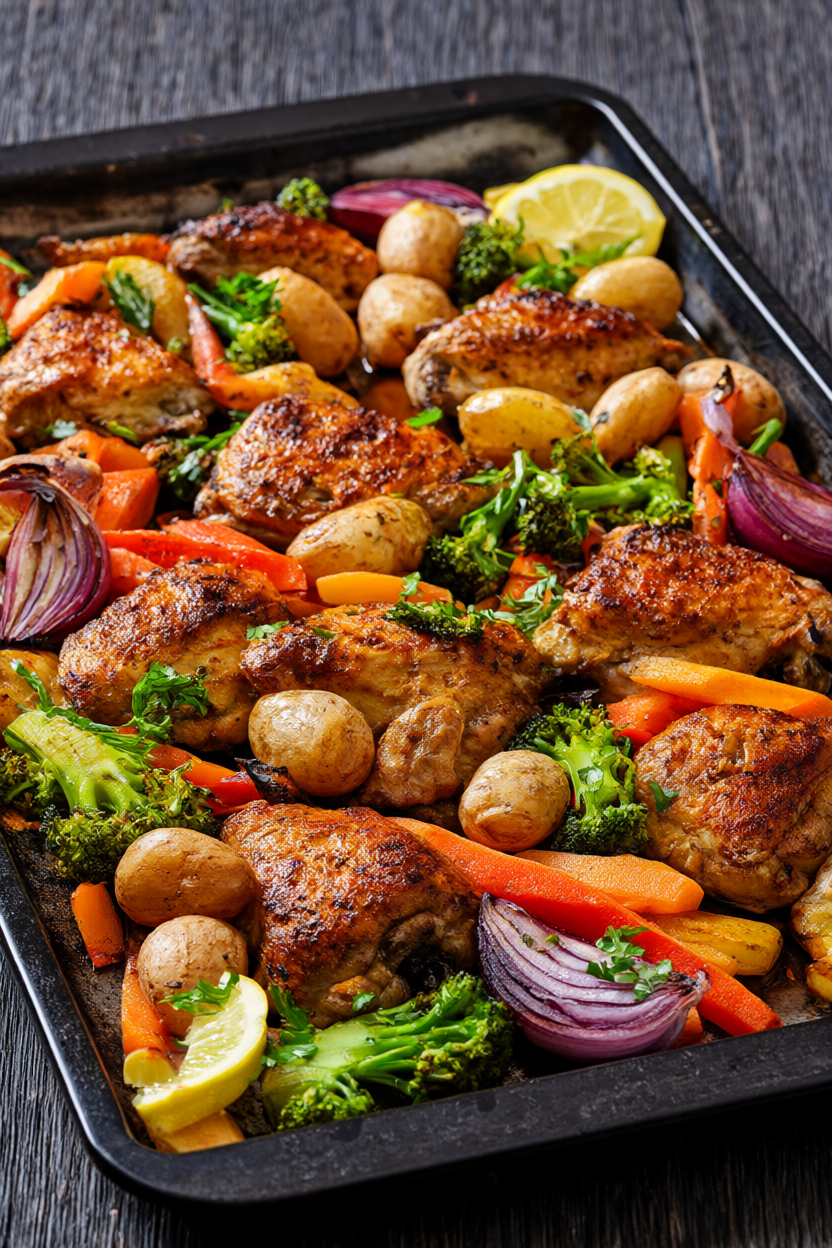
Think of the pan in three parts: protein, vegetable, and starch. Vegetables fill about half the pan, while protein and starch each take roughly a quarter. That proportion is the whole trick. It gives you a balanced plate without measuring anything, and it bends to whatever is already in the fridge.
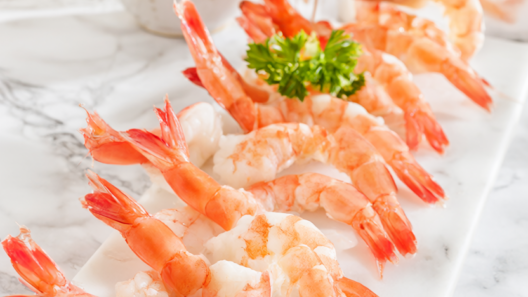
- Protein: chicken thighs, salmon, shrimp, sausage, chickpeas, or firm tofu.
- Vegetables: broccoli, carrots, red onion, cherry tomatoes, zucchini, or bell pepper.
- Starch: baby potatoes, sweet potato cubes, or torn bread.
Because everything roasts together, the flavors mingle and the edges caramelize. Dinner lands on the table with one pan to wash and a plate that already looks balanced, which is more than most weeknights manage. It also scales: a pan for two becomes a pan for four with a second sheet, and the formula holds.
Cut Sheet Pan Vegetables to the Same Size
Cut everything to a similar 1-inch size. A chunk of potato the size of a golf ball and a cherry tomato will not finish at the same time, and chasing that difference is how sheet pan dinners end up uneven. Aim for pieces that are close enough in size that they cook at the same rate.
Roast at 425 °F for 20 to 25 minutes, tossing once halfway through. Dense vegetables like potatoes need a 10-minute head start, so give them a solo turn in the oven before the rest of the pan goes in. That small pause is the difference between crisp potatoes and pale ones.
Oil and Space: What Sheet Pan Dinners Need
Toss everything with 1 to 2 tablespoons of oil per pan. A little fat helps the body absorb vitamins A, D, E, and K from the vegetables, and it helps them brown instead of stick. You do not need a pool of oil, just enough to give every piece a light coat.
Keep the pieces in a single layer with space between them. Crowding traps steam, and steam makes vegetables soft and gray instead of browned and sweet. If the pan looks full, use two pans or roast in batches. The oven needs room around each piece to do its best work.
Finish Sheet Pan Dinners with Acid and Herbs
Finish the pan with lemon juice, a splash of vinegar, or a handful of fresh herbs. Acid and herbs bring flavor forward so you can use less salt and still get a bright, full taste. A little parsley, rosemary, or basil at the end wakes the whole pan up.
- Lemon juice or a splash of red wine vinegar.
- Chopped parsley, rosemary, or basil.
- Freshly ground pepper or a pinch of flaky salt at the table, if you like.
Serve it hot from the oven, or let it cool and pack it for lunch the next day. The vegetables are just as good cold in a grain bowl or tucked into a wrap, and the chicken makes a fine sandwich filling.
That is the formula: three parts, one size, a hot oven, and a bright finish. Once you have it down, a sheet pan dinner becomes the easiest answer to “what’s for dinner” on a busy night, and the pan does most of the talking.