Every wedding has a moment when the room goes quiet, and a unity ceremony is one way to hold it. The sand-and-candle classics still work, but many couples want something that says more about who they are. The six rituals below are built for intimate weddings: slow, quiet, and easy to set up in the ceremony area. Each one leaves something behind — a box, a planter, a canvas, a map, a bowl, a cord — that keeps the promise visible after the last guest leaves. You do not need a large guest list or a long ceremony to make any of them feel significant; what you need is a little planning, a clear cue for the officiant, and a table that is ready before guests sit down. Choose the one that fits the space you already have.
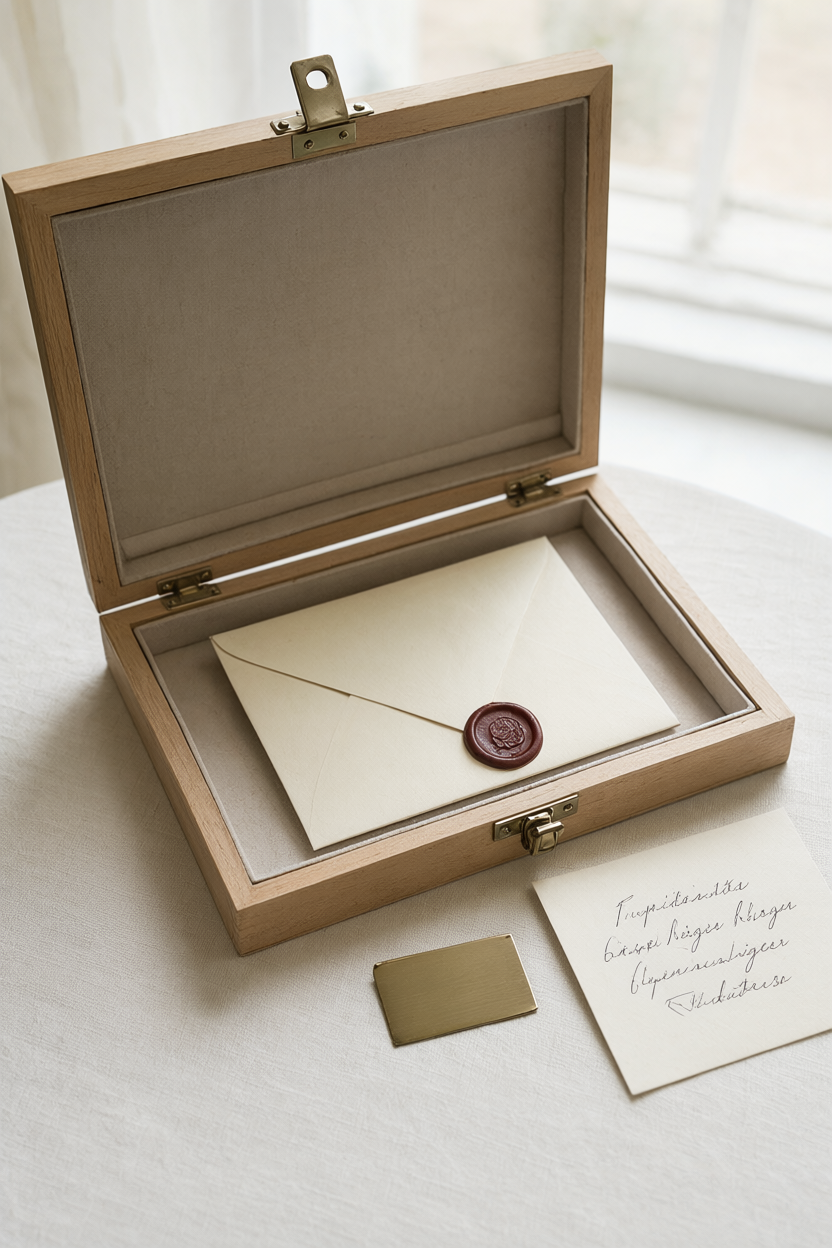
1. The Sealed Letter Box
Weeks before the wedding, each partner writes a letter the other has not read, then seals it and writes the date on the outside. During the ceremony the officiant explains the promise before the couple lowers the letters into a cedar keepsake box that holds a small card with the date. They close the box together and one of them keeps the key, so the first opening happens together on a chosen anniversary. Store the box in a dry cabinet away from direct sun, and add a fresh note whenever an important year passes.
2. The Two-Soil Herb Planter
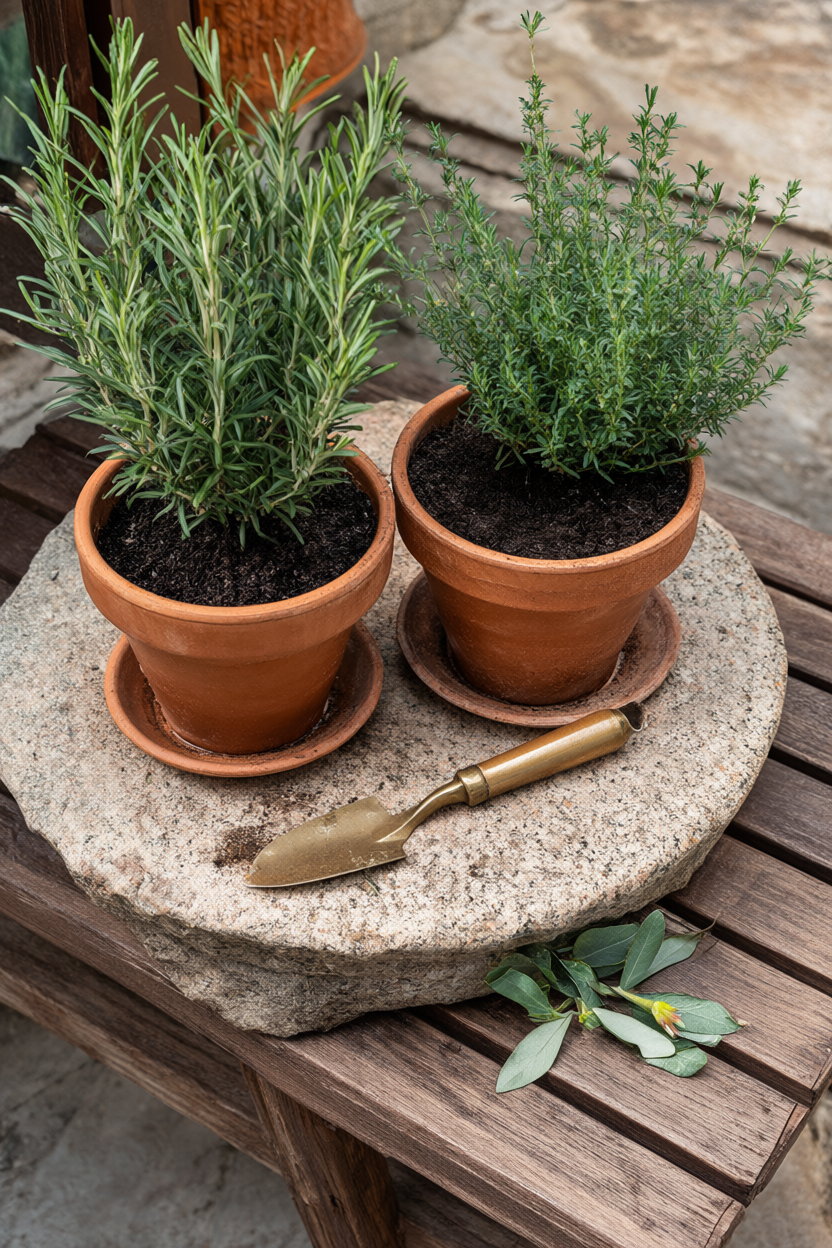
Ask each partner to bring a small pot of soil from a place that matters — a childhood garden, an apartment balcony, the yard where they first planted something together. During the ceremony they tip the two soils into one wide stone planter and settle a rosemary and a thyme seedling into the mix, pressing the earth gently around the roots. The planter moves to a kitchen window after the wedding and becomes a working herb garden. Line the bottom with drainage stones, water lightly for the first week, and keep it where morning light reaches it.
3. The Two-Color Canvas
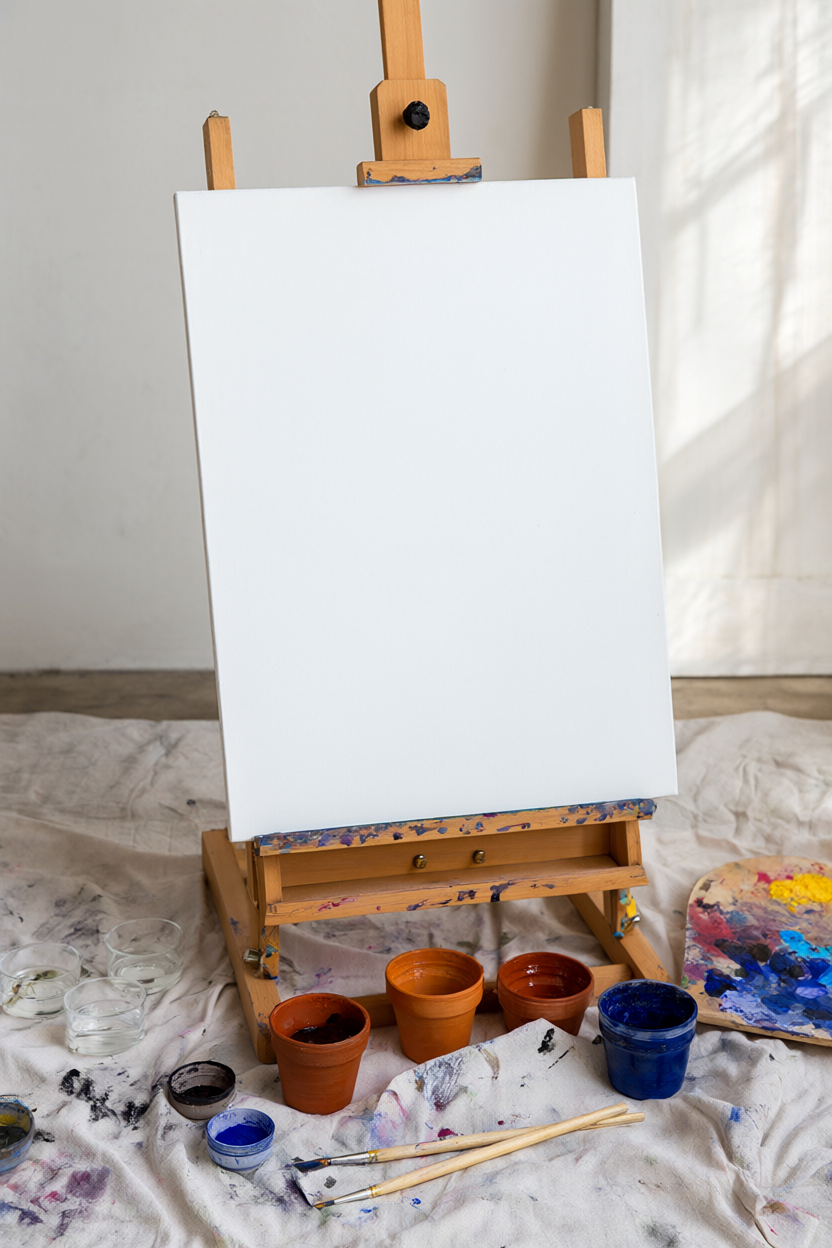
Instead of a sand ceremony, each partner chooses one paint color and adds it to a single canvas, letting the two colors marble without fully blending. The canvas waits on a wooden easel at the edge of the ceremony area so guests can watch the colors meet. Afterward the finished piece goes above a couch or in a hallway as a one-of-a-kind record of the day. Tape the canvas edges before the ceremony, let it dry flat for at least a day, and test the colors on a scrap so the marbling behaves the way you want.
4. The Map and Pin Ritual
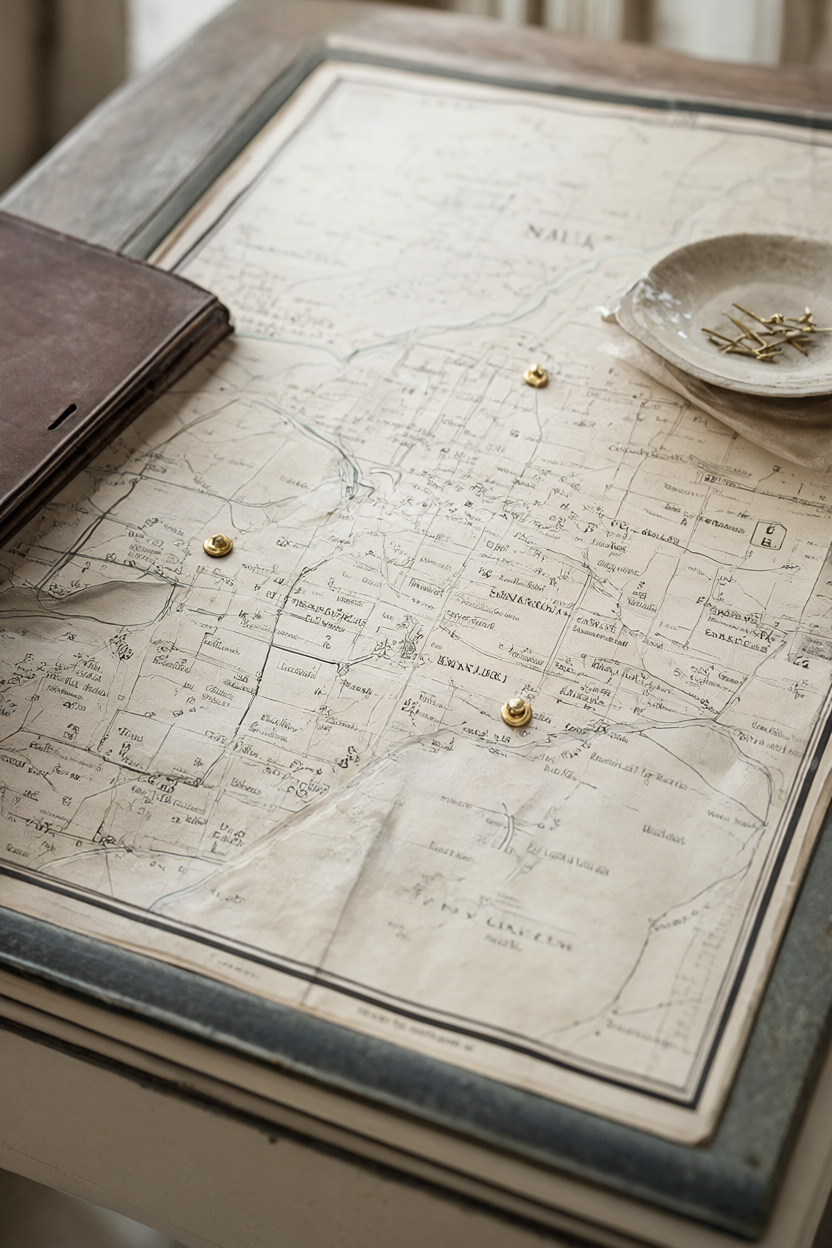
A framed map waits on a small side table, and near the start of the ceremony each partner pins one meaningful place — where they met, where they got engaged, the town where they built their first routine. Then they add a pin for a trip they plan to take, turning the map into a small promise about the future. It becomes wall art in their first shared home. Choose a cork-backed map so the pins hold, and keep a dish of extra pins nearby for guests who want to add a place of their own.
5. The Gratitude Stone Bowl
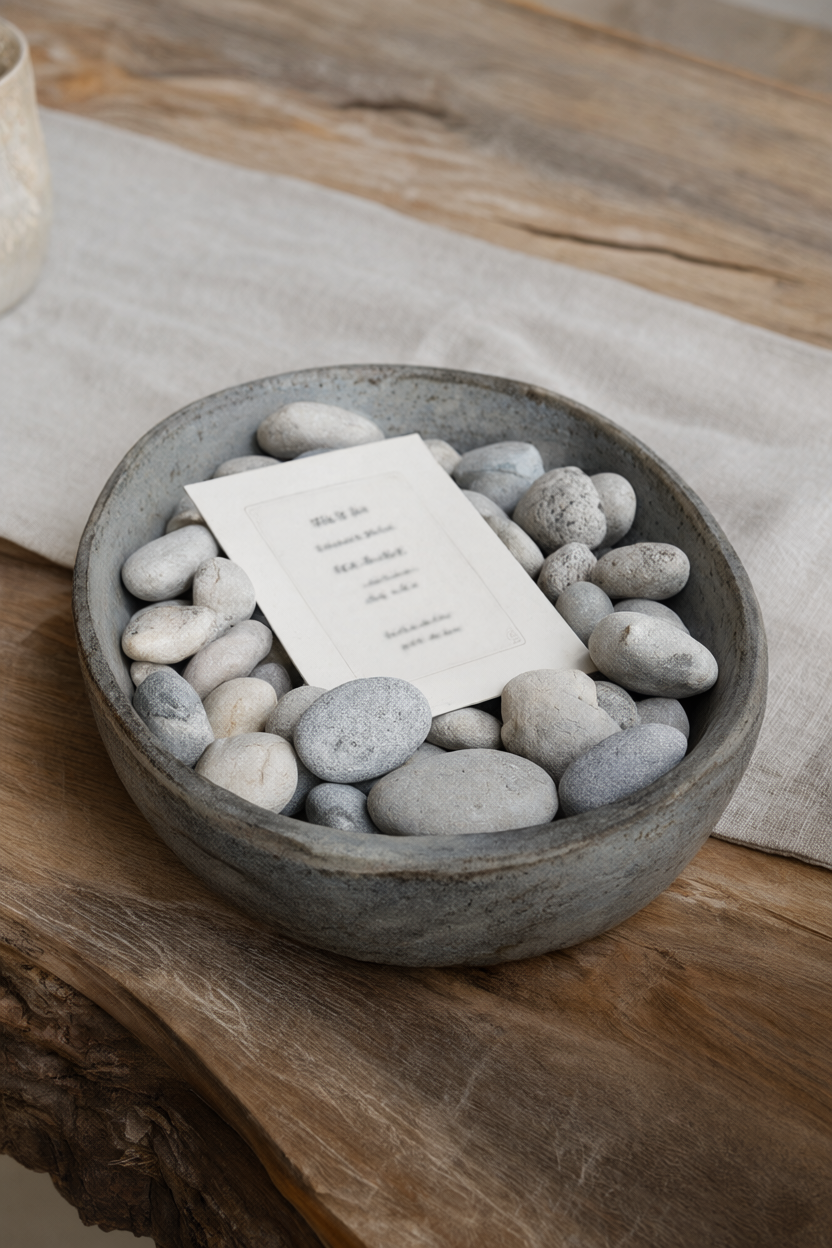
Guests pick up a smooth stone when they arrive and hold it through the ceremony. Near the end they come forward one by one and place the stones in a wide ceramic bowl while the officiant invites a silent wish for the couple. The bowl stays by the couple’s front door, holding keys or nothing at all, and the stones slowly become a record of everyone who stood with them. Put a small instruction card beside the stones so guests know what to do, and choose stones that feel good in the hand.
6. The Modern Handfasting
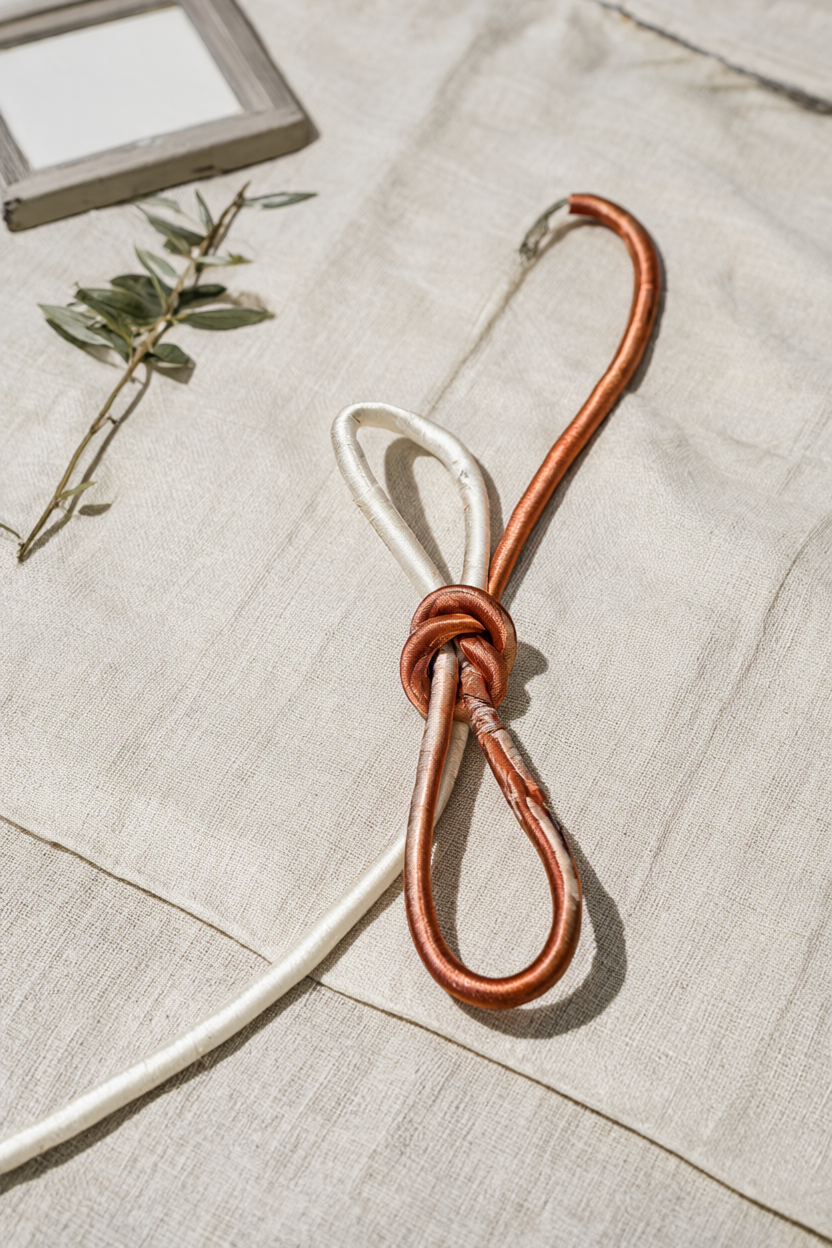
Two slim silk cords in the couple’s colors are wrapped loosely around their joined hands and tied in a single knot, with room to slip free. The officiant can explain that the knot is not a binding but a reminder — something they chose and can always choose again. Later the cord is framed in a shadow box and hung where they will see it. Keep the wrap loose, practice the motion once before the rehearsal, and ask the photographer for a close frame of the hands.
None of these rituals needs a big production. A table, a box, a bowl, a few words, and enough quiet for guests to notice what is happening — that is the whole setup. Choose the one that matches the way you already talk to each other, practice the handoff once, and let the moment run a little slower than feels natural. Tell your officiant the order of events in plain language, keep the props within arm’s reach, and let the silence do some of the work; a ritual that feels calm in the room will look calm in the photos too. The keepsake will remember it for you.